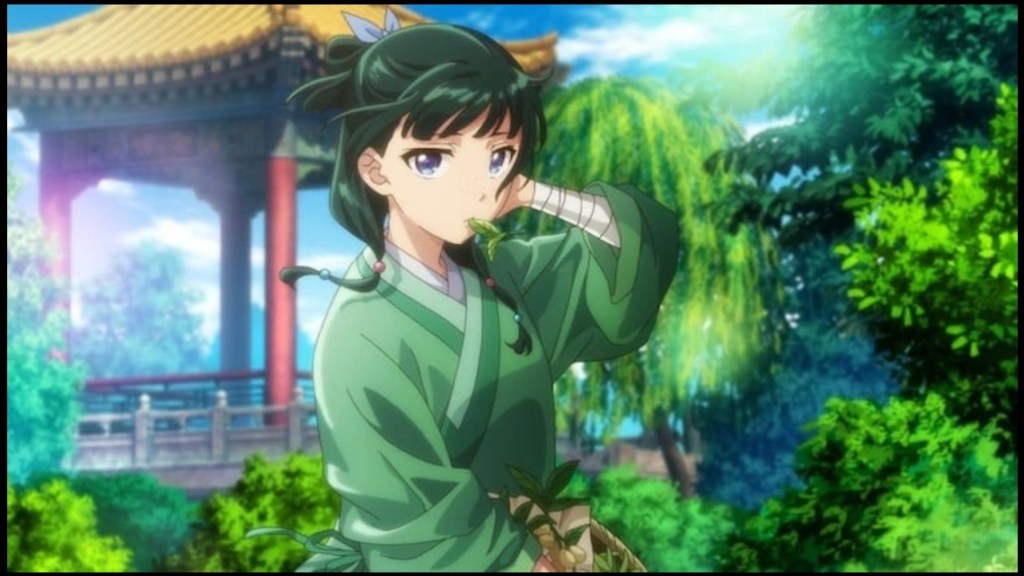
Since this spring, I’ve developed a new obsession — and honestly, I’m just looking for an excuse to talk about it: The Apothecary Diaries.
This anime series, based on a popular light novel, is set in a lushly imagined fantasy country inspired by the Tang Dynasty of early medieval China. Our heroine, Maomao, was trained from childhood by her apothecary father, learning the delicate — and sometimes dangerous — secrets of plants and poisons. When she’s sold as a servant to the emperor’s palace, she keeps her true talents hidden… while quietly using her pharmacological skills to solve mysteries, save lives, and protect those around her.

I’ll be honest: anime hasn’t been “my thing” for years. As a teen, I dabbled in it, but in adulthood, it fell off my radar. Then a friend recommended The Apothecary Diaries — specifically because of my love for plants — and I fell headfirst into Maomao’s world. The slow-burn romance intrigued me, sure, but what hooked me even more was something deeper: the feminist undercurrent running through the series.
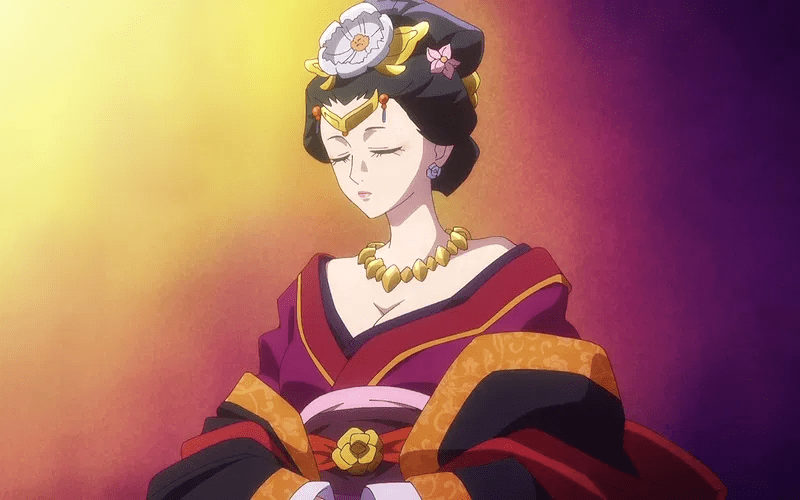
Many of the female characters here are wonderfully complex — flawed, yes, but undeniably strong. They navigate a rigid, patriarchal court with intelligence, wit, and resilience, and more importantly, they support one another. This isn’t a series that pits women against each other for drama’s sake. Nor does it vilify men as a whole — instead, it carefully examines the ways gender, power, and survival intertwine.
From an ecofeminist perspective, there’s so much to unpack. Maomao’s deep knowledge of plants isn’t just a quirky hobby; it’s a form of power rooted in her connection to the natural world. I’ll admit — at some point, I was downright jealous of her expertise. The way she applies her skills is nothing short of forensic genius. She can identify arsenic poisoning just by subtle symptoms, detect toxins through their interaction with materials like silver, and trace the source of a mysterious illness back to a single overlooked plant.
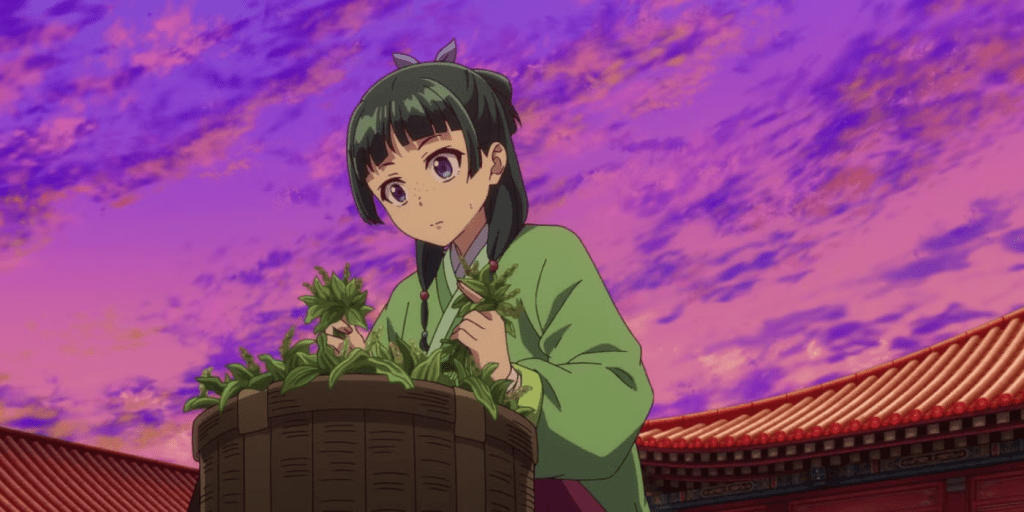
It’s not only that she knows her herbs — it’s that she understands the chemistry behind them, the way different substances react, and how that knowledge can be turned into both diagnosis and strategy. Watching her work through palace intrigues with a mind as sharp as any blade was, for me, both inspiring and humbling.
In a court where political intrigue is as lethal as poison, her understanding of nature becomes a weapon, a shield, and sometimes even a lifeline. This connection to the natural world — and the way she wields it in defense of herself and others — feels profoundly feminist. It’s knowledge as resistance, as empowerment, as survival.
Some plants mentioned:
- wood sorrel and balsem (to make some nail polish)
- peony
- balloon flower
- lily of the vallley
- plum blossom
- magnolia
- roses
- chrysanthemum
- lantern plant
Check out the list on iNaturalist: https://inaturalist.ca/lists/4439657-The-Apothecary-Diaries

So now I’m curious — have you watched The Apothecary Diaries?
- What do you think about its portrayal of women’s agency in a patriarchal setting?
- Do you also see that link between nature, knowledge, and power?
- And if you haven’t watched it yet — would you, knowing it’s equal parts mystery, romance, and plant lore?
If you’re looking for a thoughtful, slow-burn series with a dash of intrigue, a sprinkle of romance, and a whole garden of plant-based wisdom, give The Apothecary Diaries a try. Then come back here, because I need more people to talk about it with.
Discover more from Stories from the Wood Wide Web
Subscribe to get the latest posts sent to your email.
 Stories from the Wood Wide Web