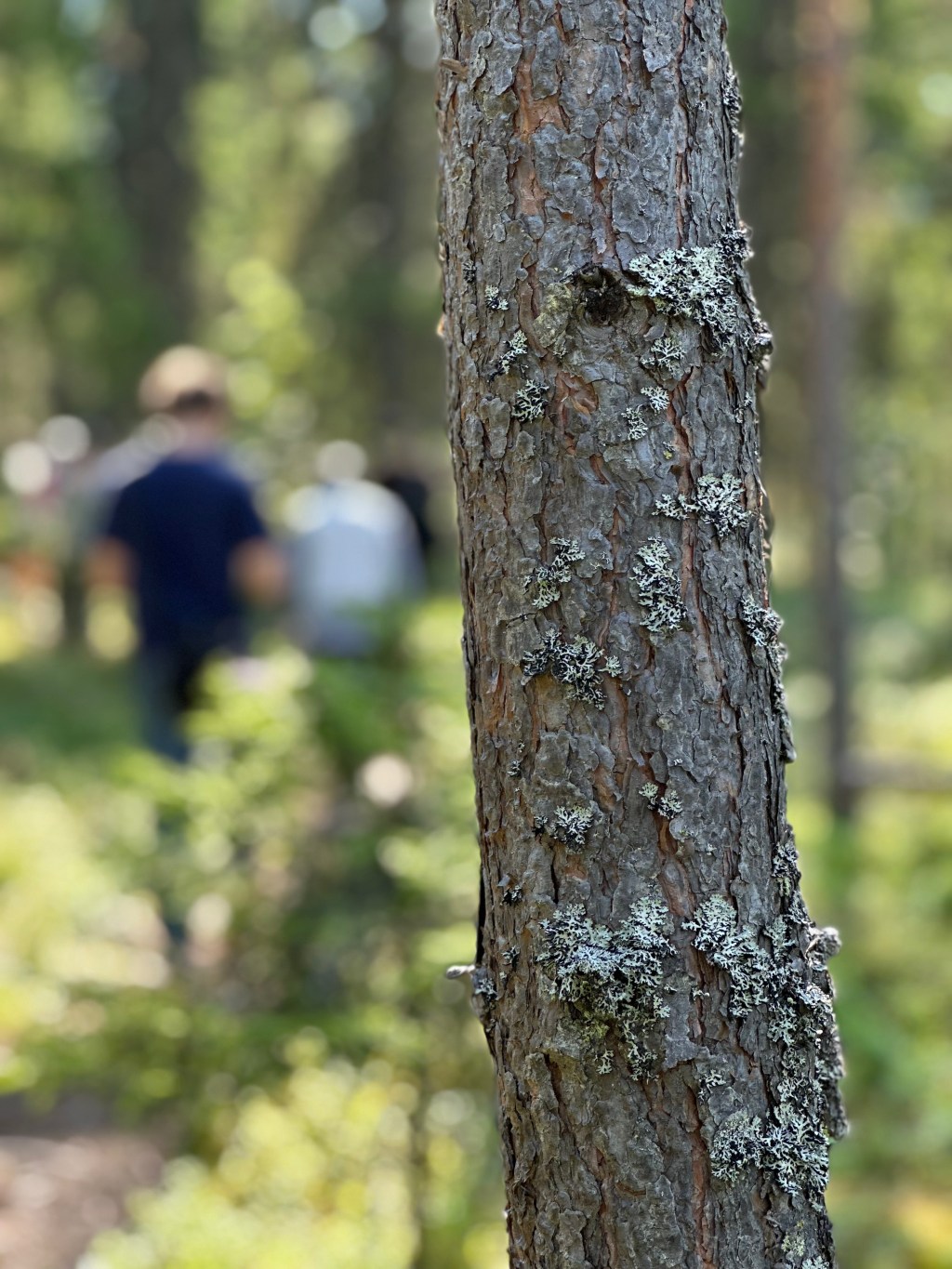
This blog post offers guidelines on photography inspired by care ethics, particularly during intimate experiences such as forest bathing. It also acknowledges the practical need for promotional materials for our study circle and small enterprises, balancing respect for participants with the necessity of sharing our work. Please comment if you have feedback.

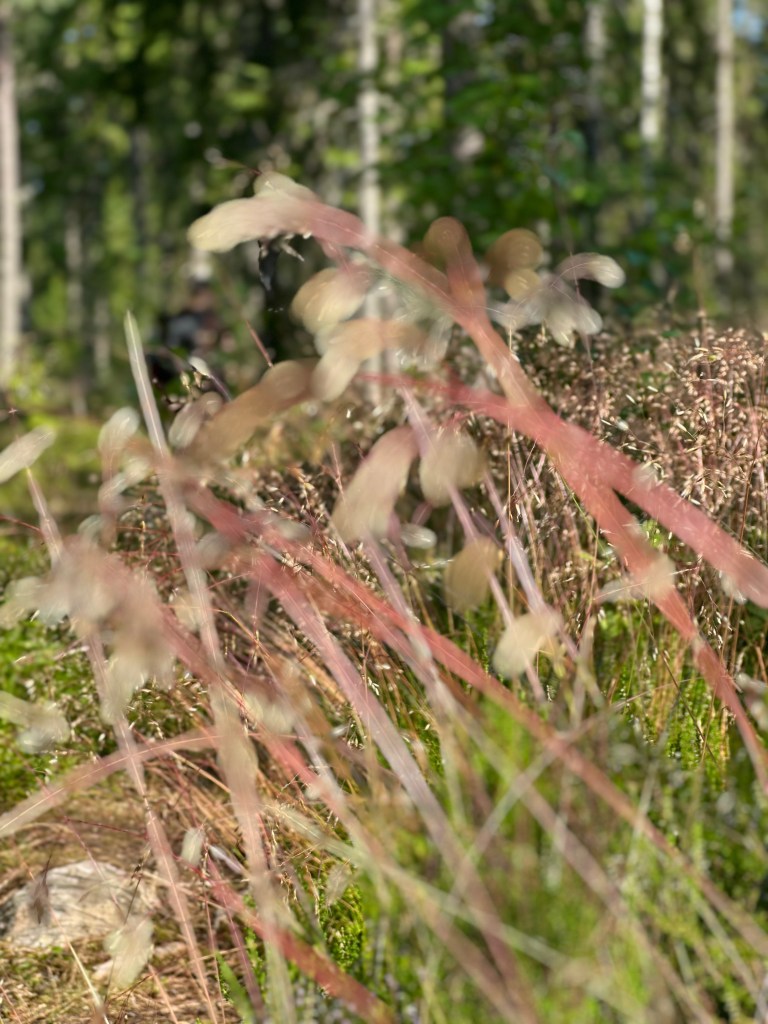
Forest bath
One of the sessions during the summer symposium 2025 in Finland, as part of our NSU study circle: Learning with the More-than-human-world, was a forest bath by Katriina, a Finnish certified guide, a friend of us-the coordinators.
“Forest bathing principles are central to her work. There is growing evidence for the power of mindful presence in nature — especially when shared in gentle company and guided with care. These practices help people slow down, reconnect, and come home to themselves.
The true magic of forest bathing lies in its ability to connect: to the forest, to others, and to ourselves. And in that connection, something vital is restored. Peace of mind. A sense of belonging. And the capacity to live in harmony with life around us — human and more-than-human alike.” (Source: website of NatureMinded, Katriina’s enterprise)
Mindful photography for external promotion
At the beginning of our summer symposium, we discussed photography, particularly for external communication and promoting future events. We are aware that not everyone is comfortable having their photo online, especially when the images are not flattering. I’ve experienced this myself—seeing photos taken by non-professionals who are unaware of the effects of focal length or framing, and feeling bad about the result. Such images can reinforce negative body image in a disenchanted world full of “Barbie” double standards.
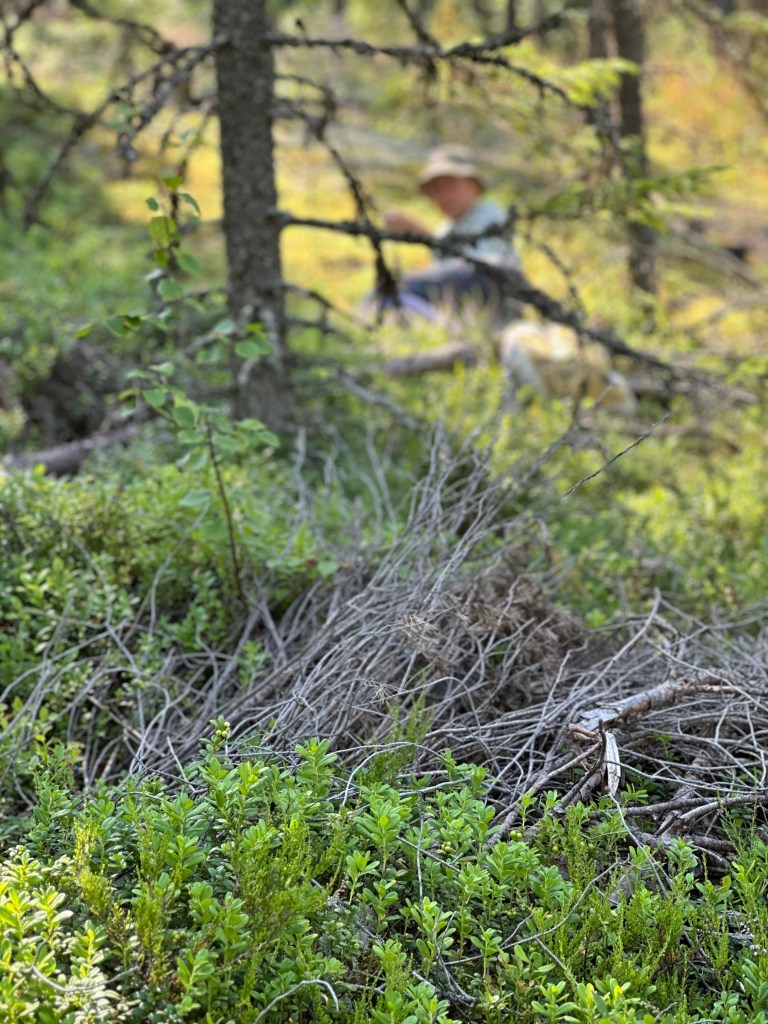
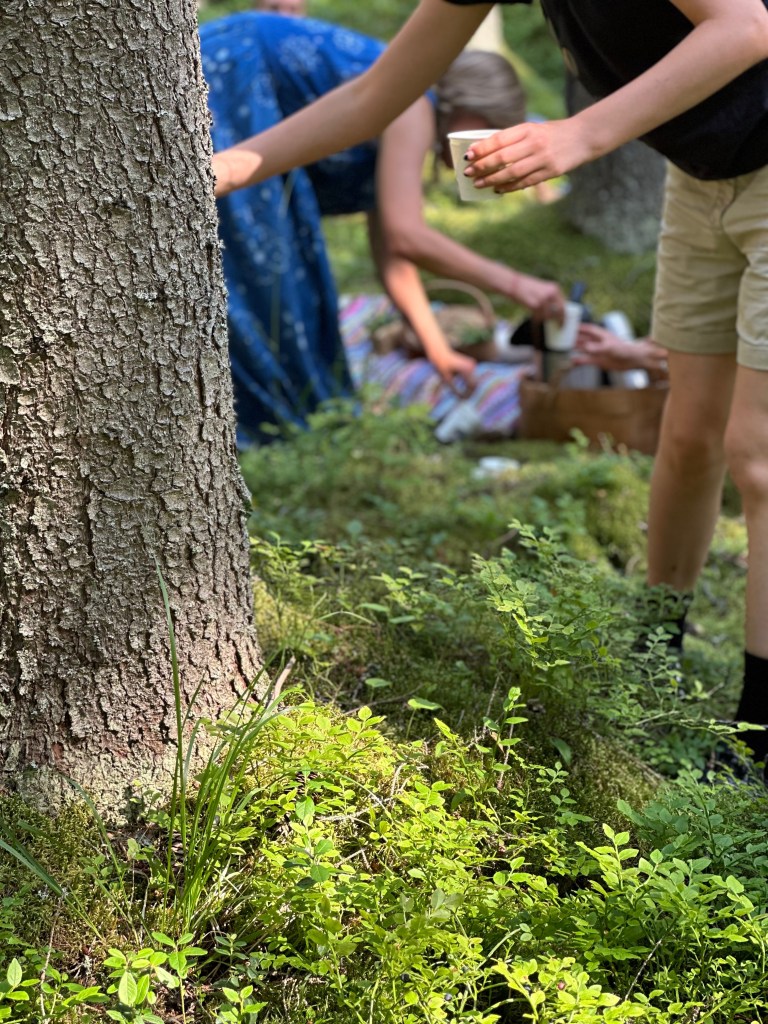
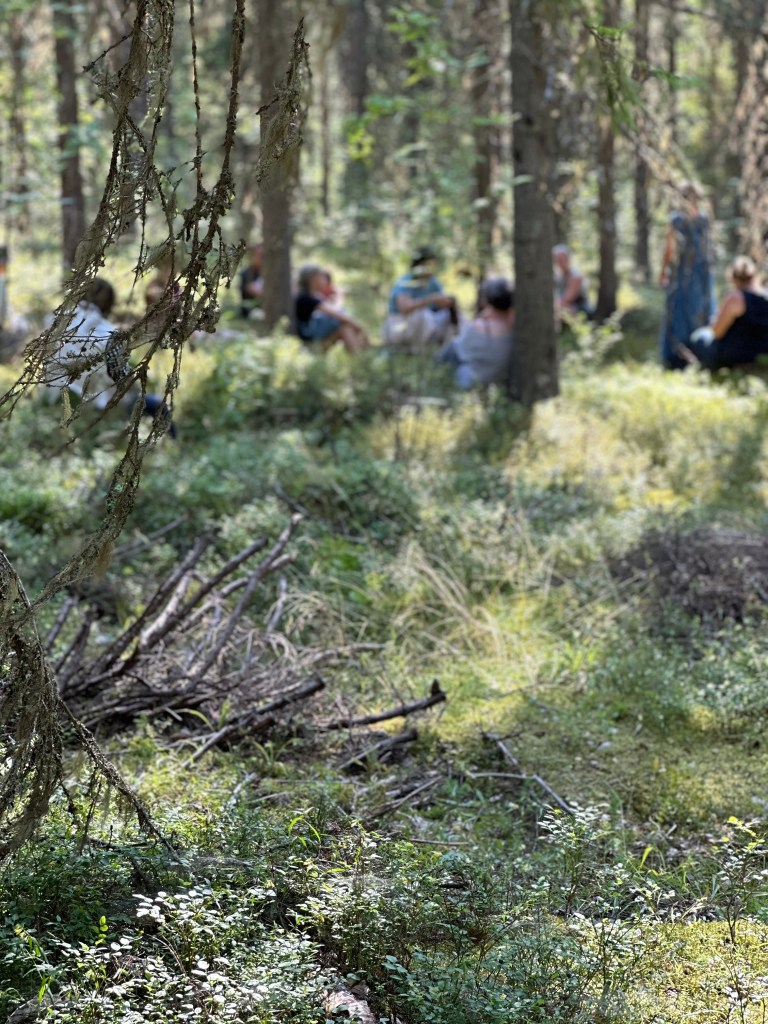
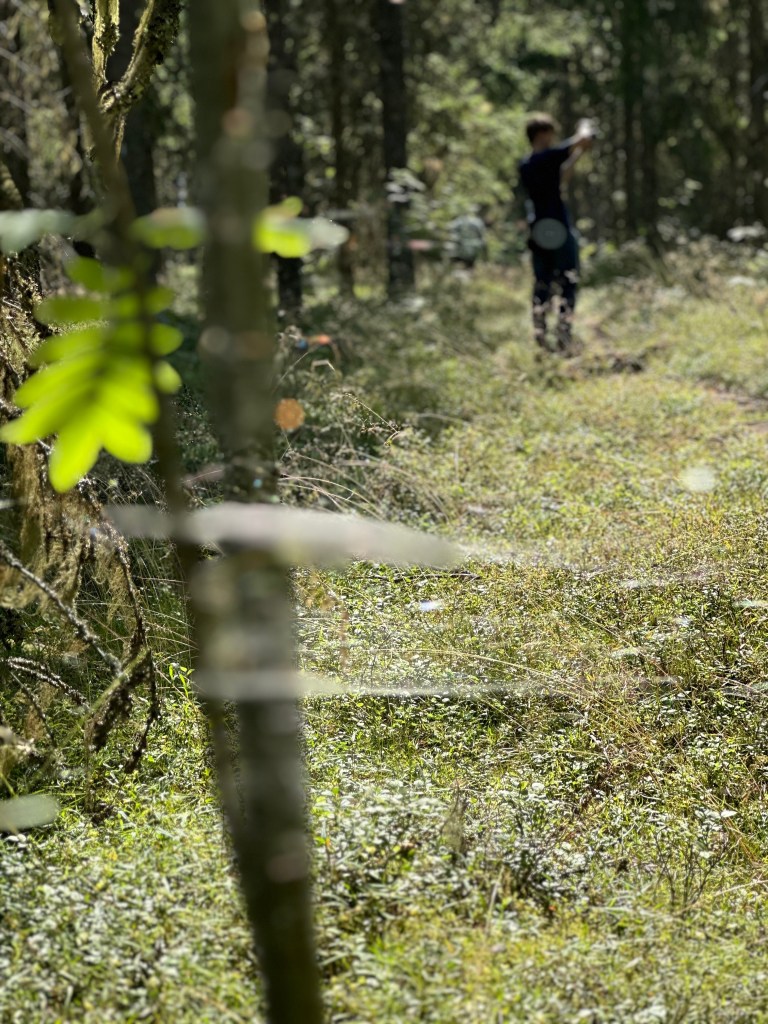
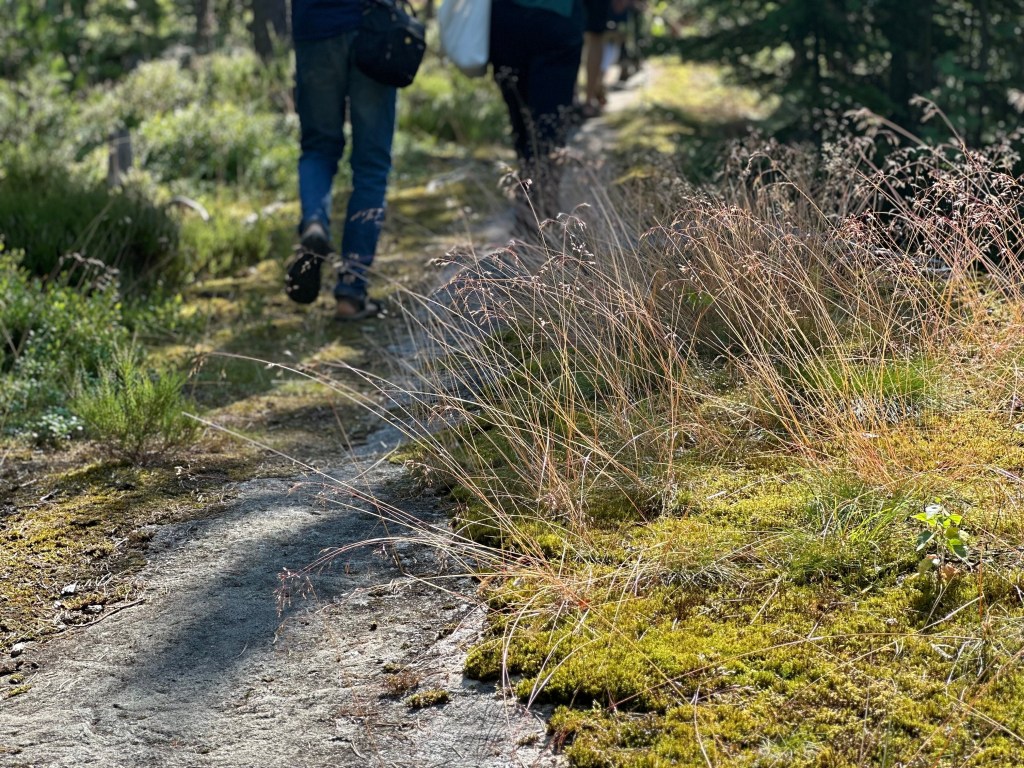
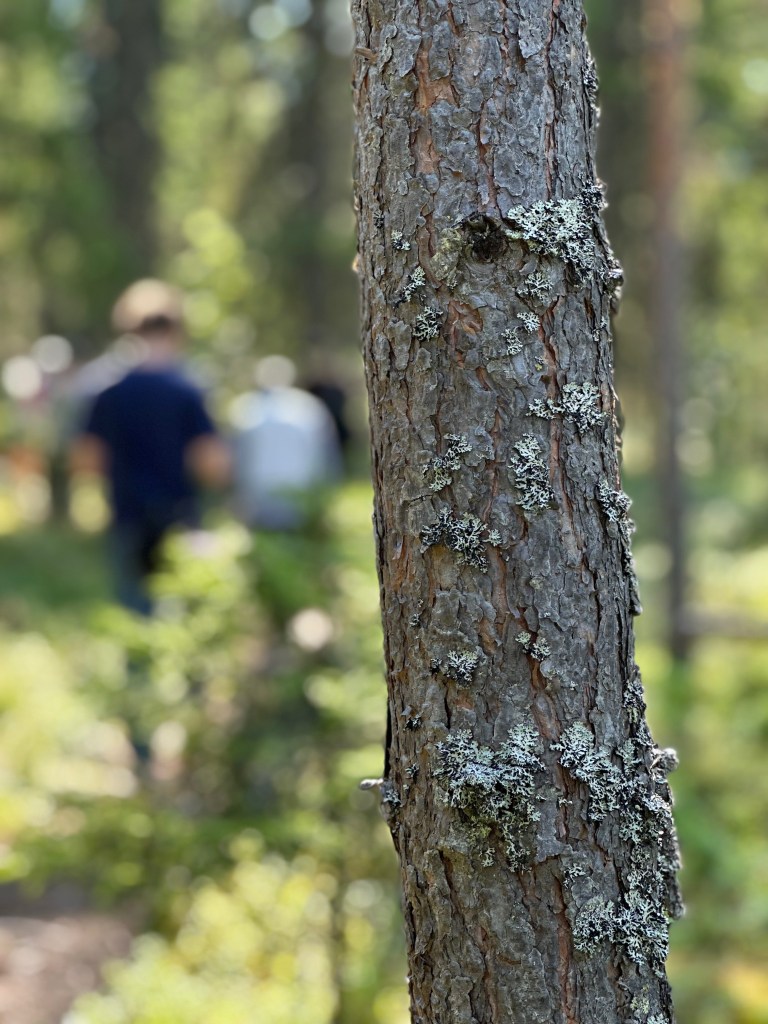
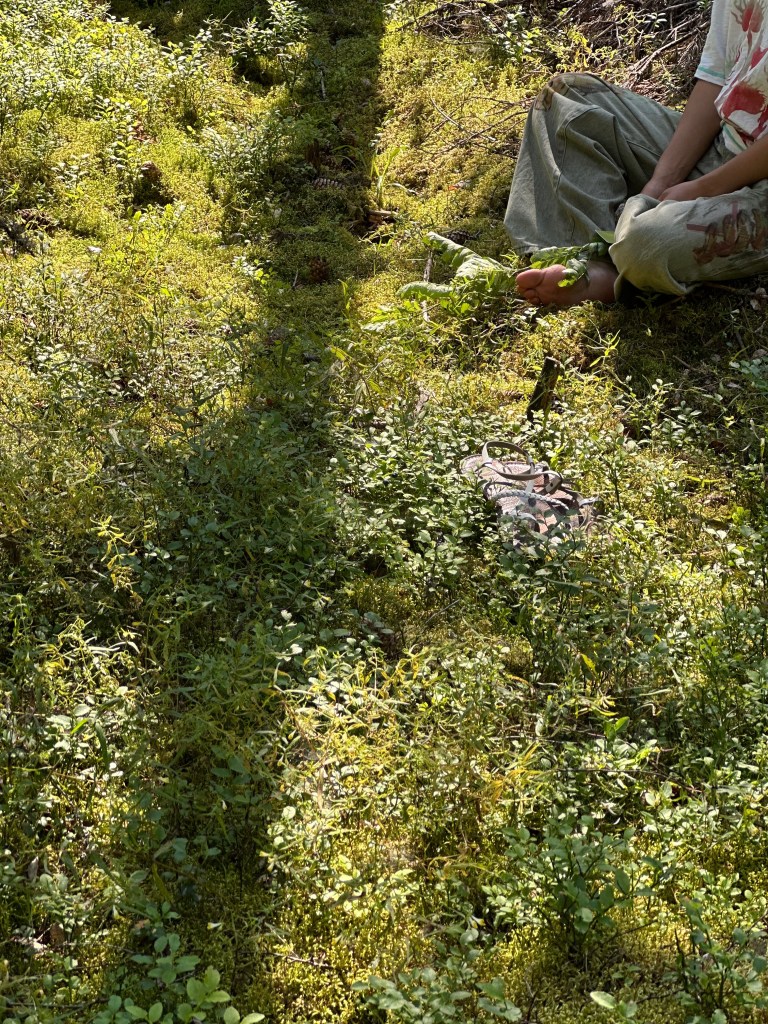
For the forest bath – where we wanted some photographs for both the promotion of NSU as for Katriina’s business NatureMinded-, I chose to approach photography mindfully. I focused on two things:
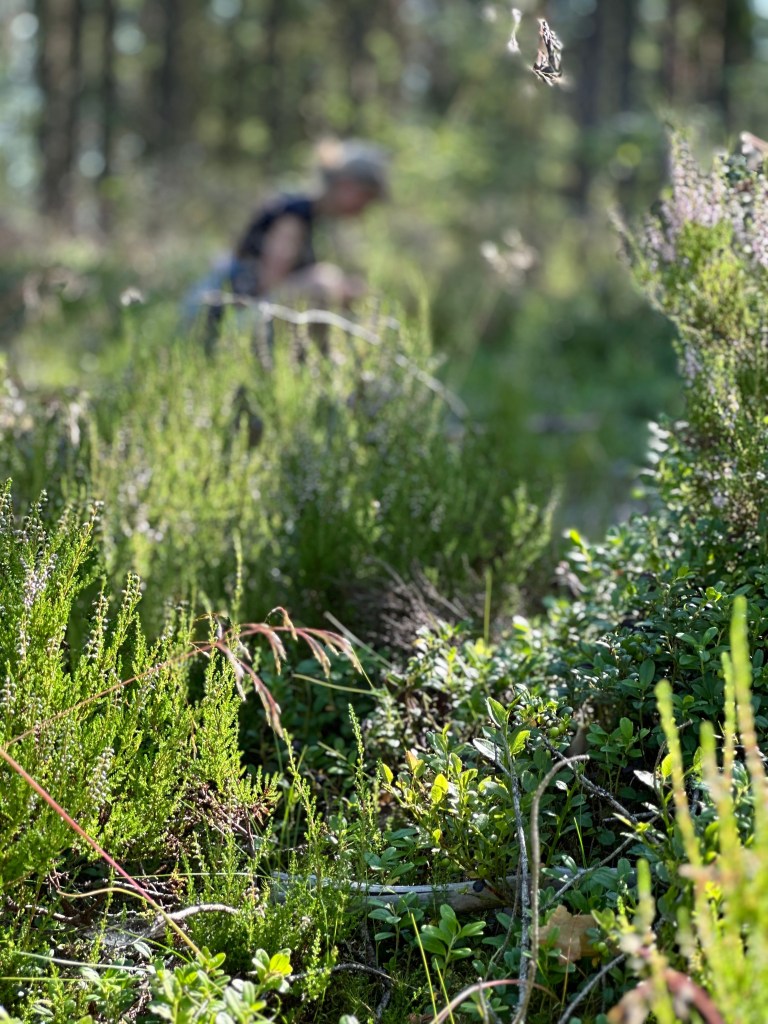
- keeping human participants out of focus
- foregrounding the plants.
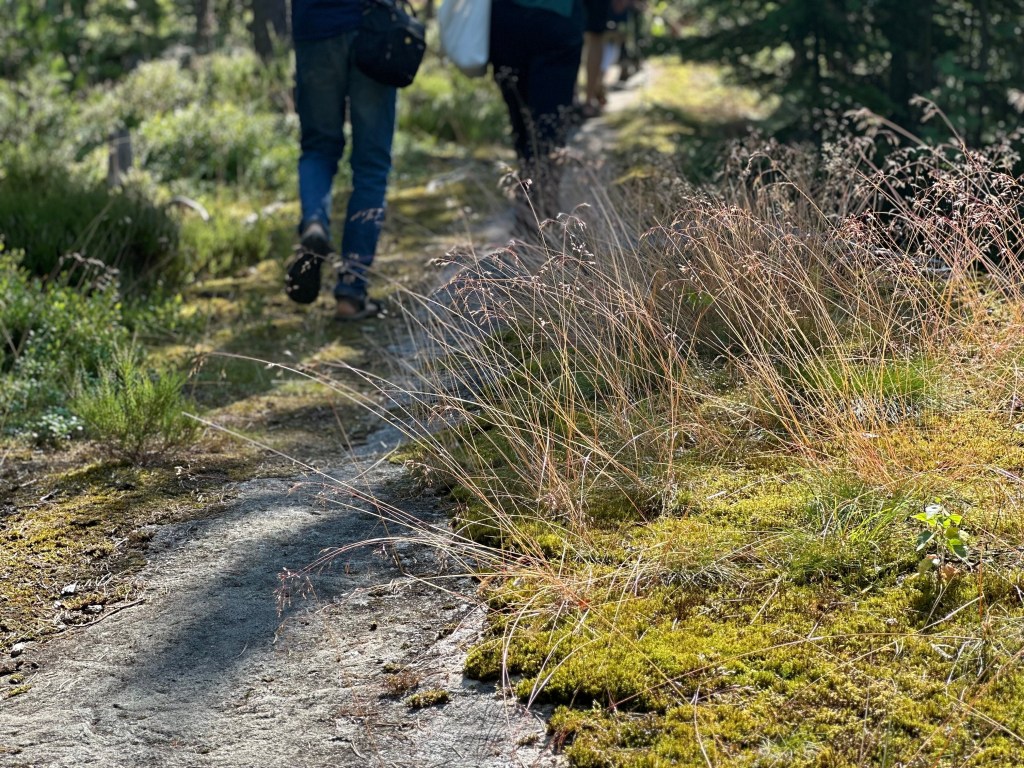
Backgrounding vs foregrounding (Val Plumwood)
This choice reflects an ecofeminist practice of foregrounding the non-human, countering the tendency to background nature.
Val Plumwood, an influential ecofeminist philosopher, critiques the practice of backgrounding in her work Feminism and the Mastery of Nature. Backgrounding refers to how dominant systems—patriarchy and anthropocentrism—treat both women and nature as invisible supports for the “main” subject, typically the male or human. Women’s labor, care, and contributions are often rendered invisible, just as ecosystems and non-human beings are treated as passive backdrops to human activity.
Foregrounding plants in our stories and photographs challenges this dynamic. By consciously shifting attention to plants, we make visible their agency, beauty, and significance in the web of life. This act disrupts the hierarchy where humans dominate the frame and nature is mere scenery.
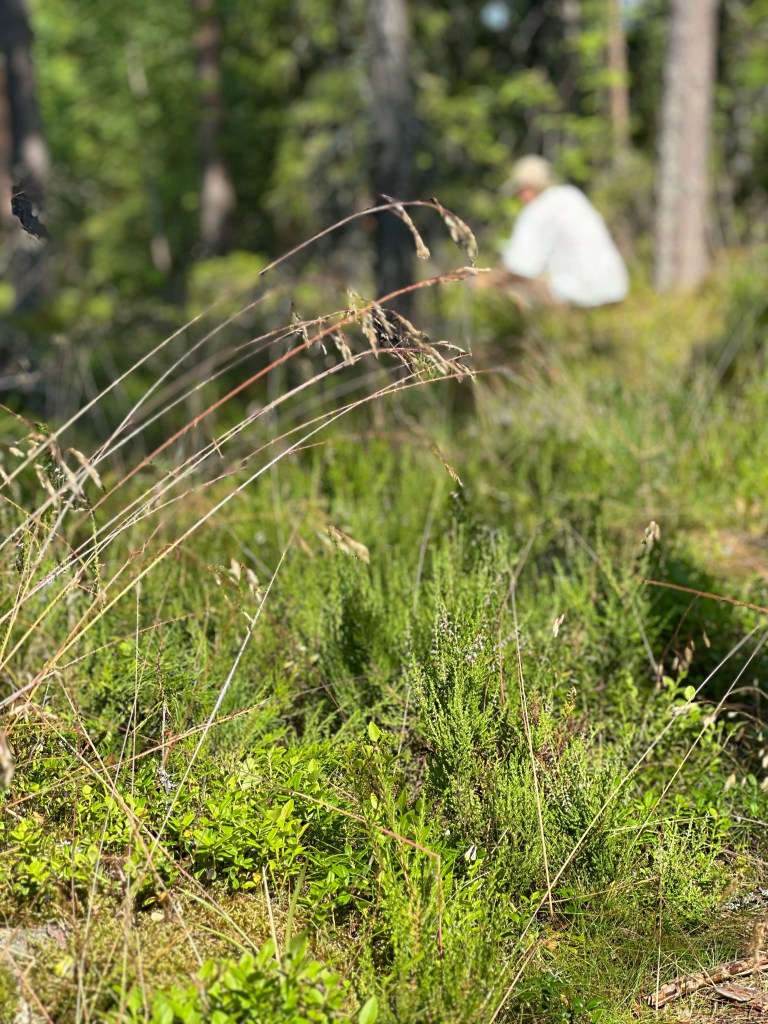
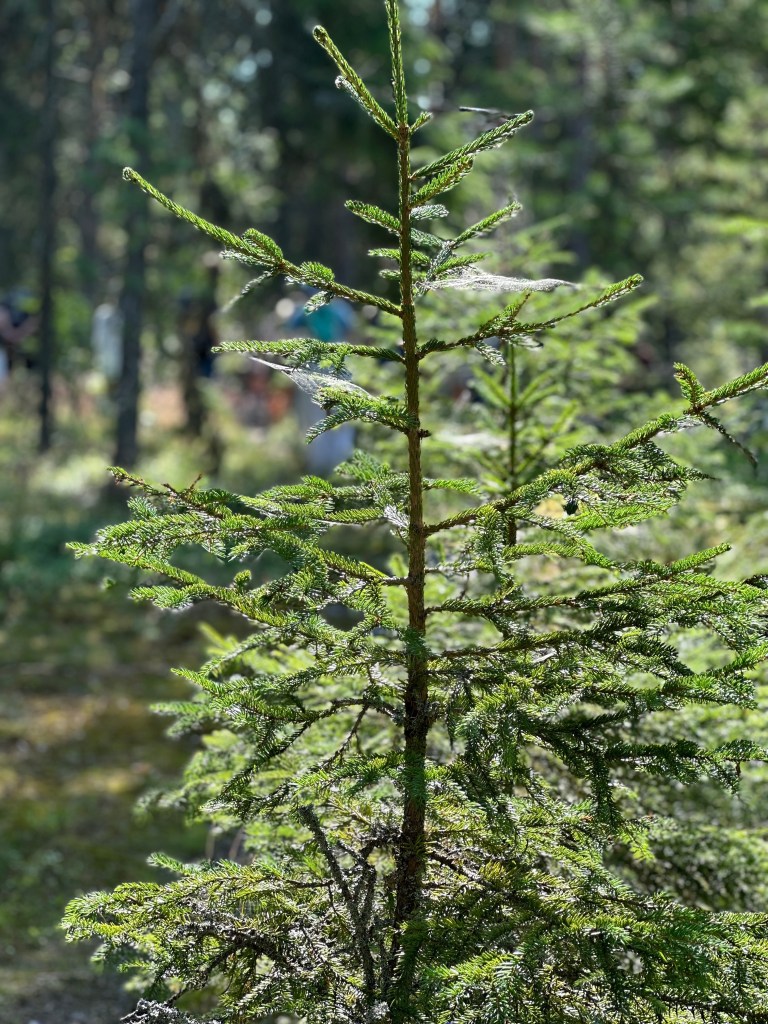
From an ecofeminist perspective, foregrounding plants is a political and ethical gesture:
- It recognizes the agency of the more-than-human world, showing plants as active participants rather than silent background.
- It challenges human-centered narratives, decentering humans and opening space for other forms of life to be acknowledged.
- It mirrors feminist practices that resist the erasure of women’s voices and bodies, connecting struggles against gender oppression with those against environmental degradation.
Thus, when we foreground plants in photographs or stories—especially during practices like forest bathing—we perform an ecofeminist act of care and respect. It’s a way of telling a different story, one where nature is not a backdrop but a co-creator of meaning and experience.
Let us know in the comments if we succeeded in our multiple objectives.
Discover more from Stories from the Wood Wide Web
Subscribe to get the latest posts sent to your email.
 Stories from the Wood Wide Web