

On this page, you can find more about this project.
“Planned” deliveries
- Academic book chapter entitled ‘Flowing with Eglė’s Eco-mythology: Restor(y)ing the Baltic Sea‘ in Cruising the Baltic Sea with Blue Humanities and Environmental Art. Routledge Environmental Humanities. Under review, expected publication: early 2026
- Book: A Hydrofeminist Retelling and adult historical (eco)fantasy novel. Learn more about the book here: Eglė (The Spruce and the Snake).
- Online and physical community gatherings – 2025
- Series of blog posts (scroll down)
- Series of Instagram blog posts: https://www.instagram.com/flowing_with_egle/
- >> sign up to our Newsletter if you want to receive updates about this specific project.
Newsletter from winter 2025 ONWARDS
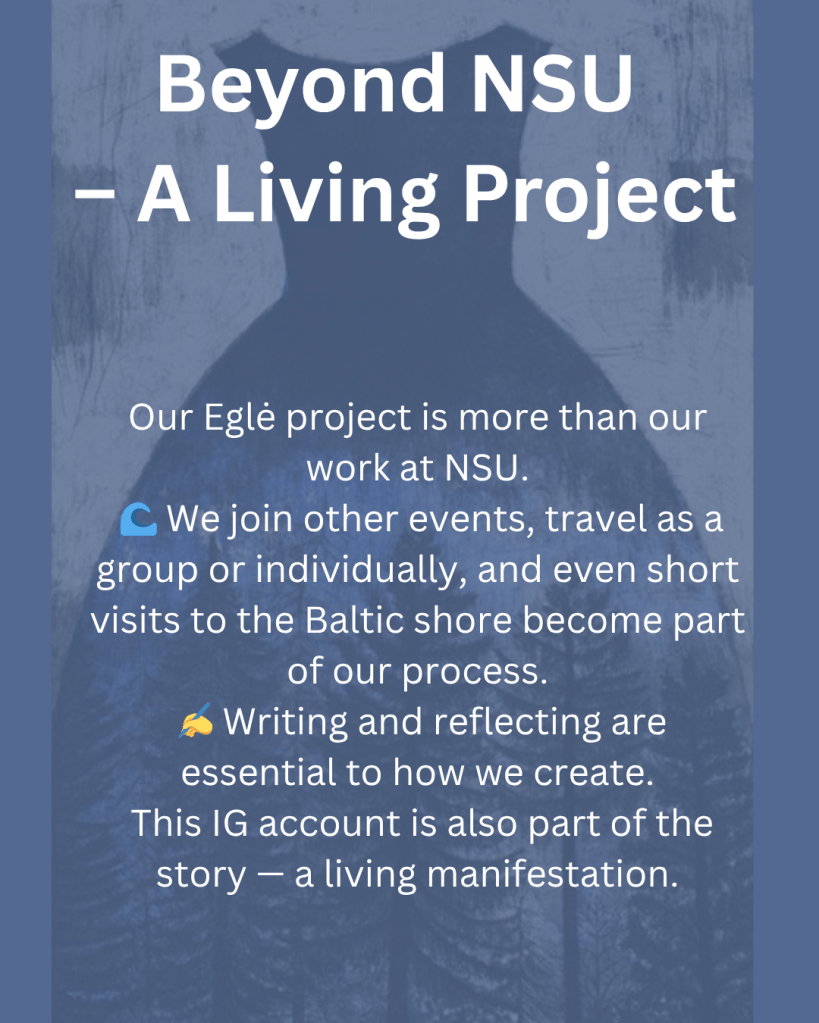
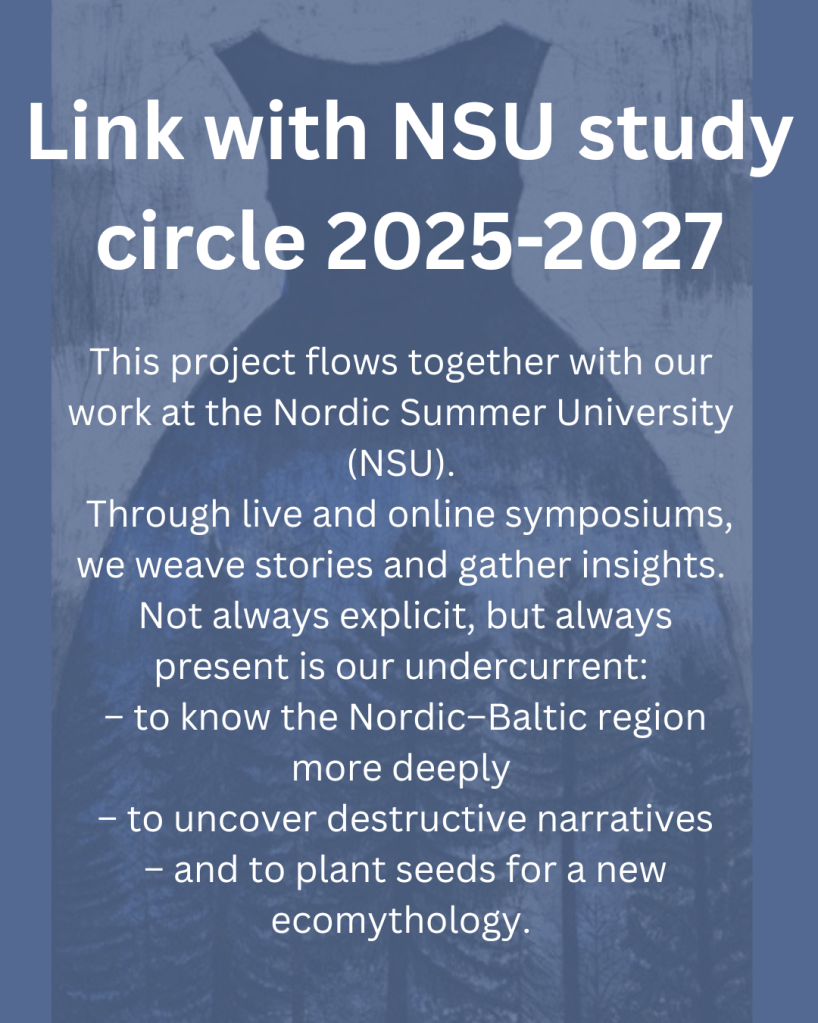
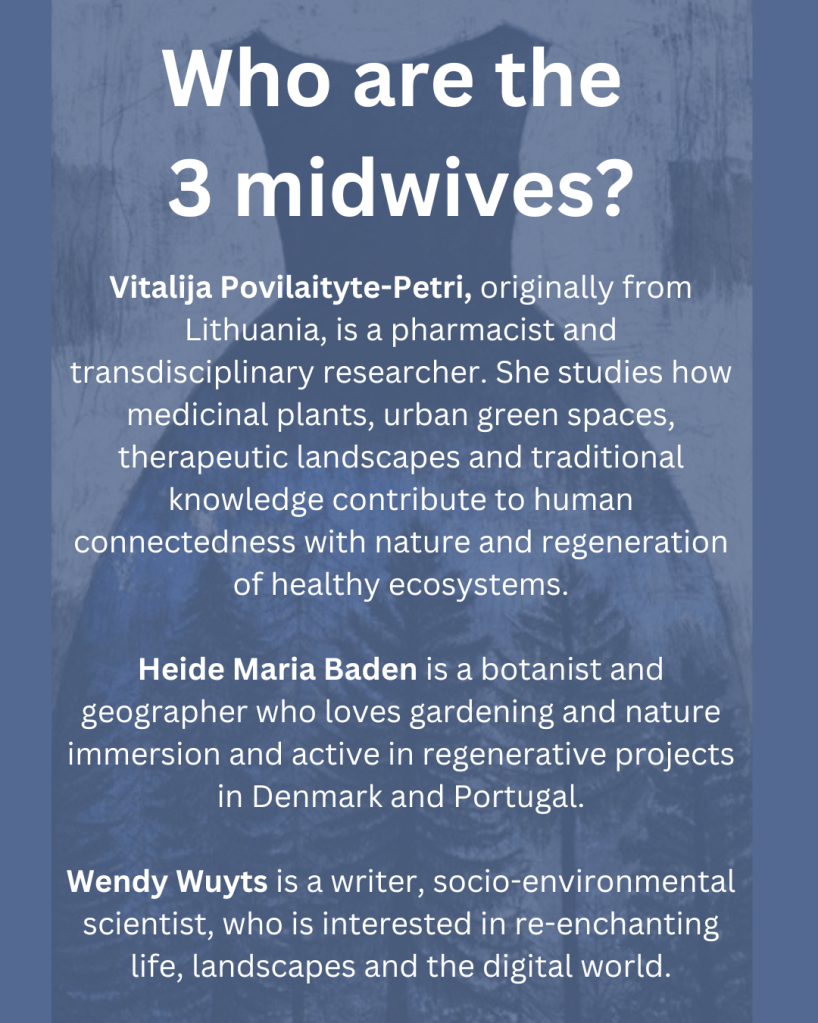
One of our passion projects is creating a new eco-mythology for the Baltic Sea region with the old Lithuanian legend about Eglė the Queen of Serpents. We have a project page Flowing with Eglė – Project where you can find some blogposts and more background.
If you want to receive every 2-3 months updates about the research and process of writing a hydrofeminist retelling or want to be informed about online or live activities where we engage with this myth , please subscribe to this newsletter via this link or by scanning the next QR code.

Which bioregion ? The Baltic sea & Sarmetic mixed forests
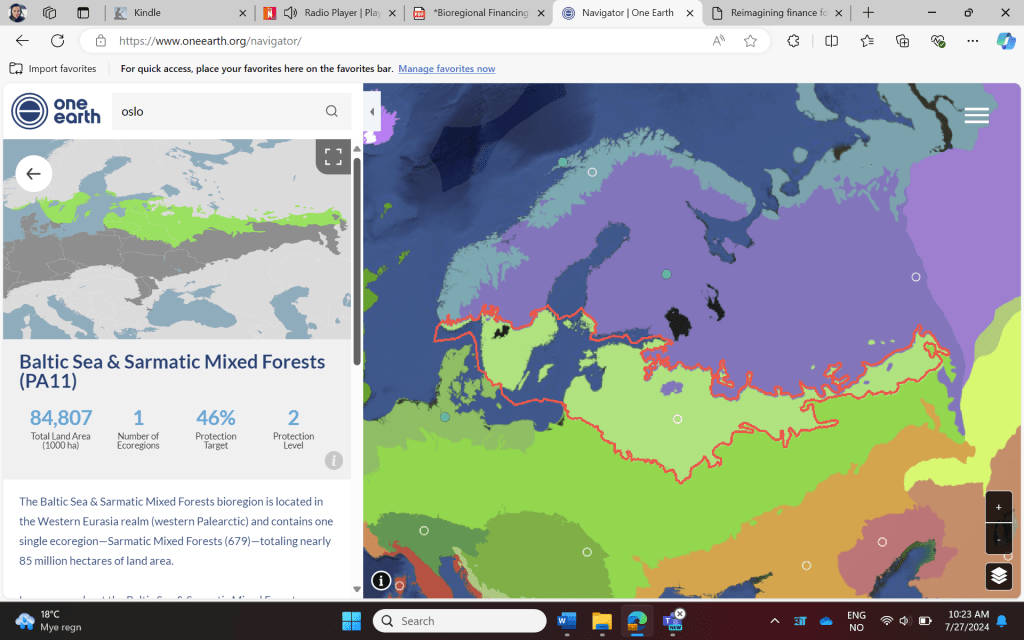
According to one earth, ‘These mixed forests cover the entirety of Latvia and Estonia, reaching into Belarus, Lithuania, Sweden, southwesternmost Finland, southernmost Norway, and the Russian Federation. A continental climate predominates, though there is a maritime influence along coastlines. This is the transition between boreal forests in the North and the broadleaf belt to the South, where the dominant Norway spruce is mixed with Scots pine, common oak, downy birch, beech, aspen, and ash. The forest floor is thickly carpeted with feather and peat mosses, and dappled with colourful bilberry and heather. ‘ (Source: one earth, 2024)
Hydrofeminist reimagination of baltic mythology
The work that we do is mostly Hydrofeminist Reimagination. Hydrofeminist reimagination of mythology offers a transformative lens through which we can reinterpret natural processes and our interaction with them. By weaving together elements like the boundaries between mud and flood, this approach challenges traditional narratives of control and separation, advocating instead for a nuanced understanding of cohabitation.
It invites us to rethink local myths, integrating scientific insights into the cyclical and interconnected nature of ecosystems. This perspective highlights the ‘sacrifice’ of human-constructed spaces for the resurgence of non-human habitats as a deliberate act of coexistence rather than loss, embracing the return of elements like mosquitoes and natural odors as part of a broader ecological reintegration.
Through hydrofeminism, rites and passages are reimagined not as control over nature but as acknowledgments of our mutual interdependence. This new cosmogonic narrative does not view the deity as an omnipotent other but as an archetypal force within ourselves, symbolizing impermanence and inter-species entanglement. By consciously evoking these principles, we reshape our world-making mythology to foster a deeper connection with life’s intricate web.
How?
At some meeting, we discussed if we should not work as Doireann Ní Ghríofa who presented a reimagining of 18th-century life entwined with her own motherhood story, weaving two female texts. I had already ruminated how to reimagine the life of a Flemish so-called witch by following the same route as Doireann in this blog: A Flemish ghost in the throat: Imagining who Cathelyne van den Bulcke was.
What would happen if we visit all possible places where Eglė might have lived, bathed and encountered a grass snake, has entered and left the underworld?
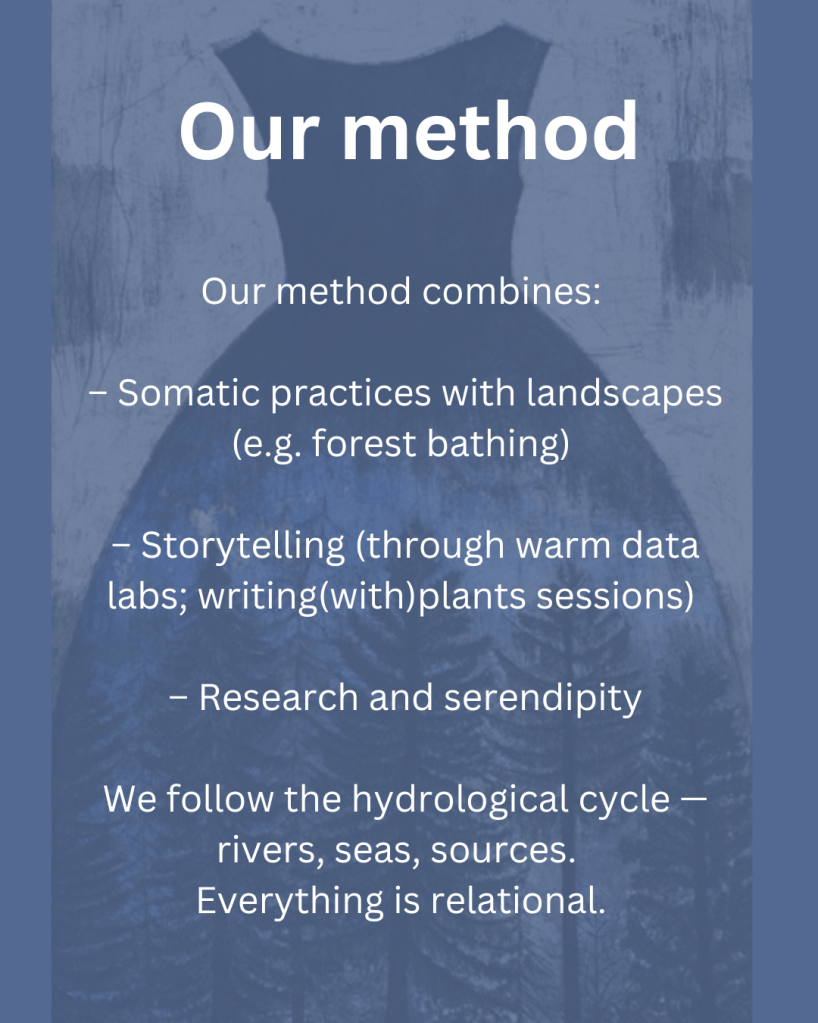
What would happen if we discuss the tropes in various variants of the story while engaging with the sea, the land, the edges of the Baltic Sea? What would happen if we spin out sentences in whole stories, reimagining all what is between the lines and words, what is erased and almost lost?
Where, when, what? – the offline encounters
| Where | When | What | Blogposts? |
| Tallinn, Estonia | 09-16 May 2024 | Visit sacred linden grove, learning more about forest folklore | Sacred linden groves |
| Riga, Latvia | 17-21 May 2024 | Visit center, spruce, wood technology | Encountering Eglė |
| Ornö island, Sweden | 10-14 July 2024 | Stay at Vitalija’s summer cabin, Who is Egle, who is her husband? | her ready-ness at the beginning of her story |
| Tallinn, Estonia | Oct 7- Oct 10 2024 | the invisible, drinking the water spirit of the lake | The grey man of the lake and flooding |
| Sandholt Slot, Isle of Fyn, Denmark | 21-24 March 2025 | first NSU winter symposium, about eldest son Oak, his deep digging work | Encountering the Oak Prince in a Danish Castle Estate |
| Fyn island | ongoing | Heide’s rooting there | Leaving the Patriarchy; remaining open for bittersweet deaths |
| Jyväskylä, Finland | 21-28 July 2025 | first NSU summer symposium, with focus on economy | (no outcome, the session focused on Aspen got removed) |
| Skagen, Denmark | 16-18 August 2025 | after the Ecoliteracy research festival close to Aarhus, 14-15 August): meeting between the North and Baltic Sea, ecosexuality | From desexualised wastelands to hydrosexuality in Skagen |
| Vilnius, Lithuania | 20-23 September 2025 | Imagining the time where she lived, the multicultural context, the last pagan country of Europe | Lithuania, Jewish Roots, and Entangled Layers of Uprooting |
| Gdansk, Poland | 13-15 October 2025 | Baltic Waterscapes symposium | Coming soon |
| ??, Latvia | 23 July – 01 August 2026 | second NSU summer symposium |
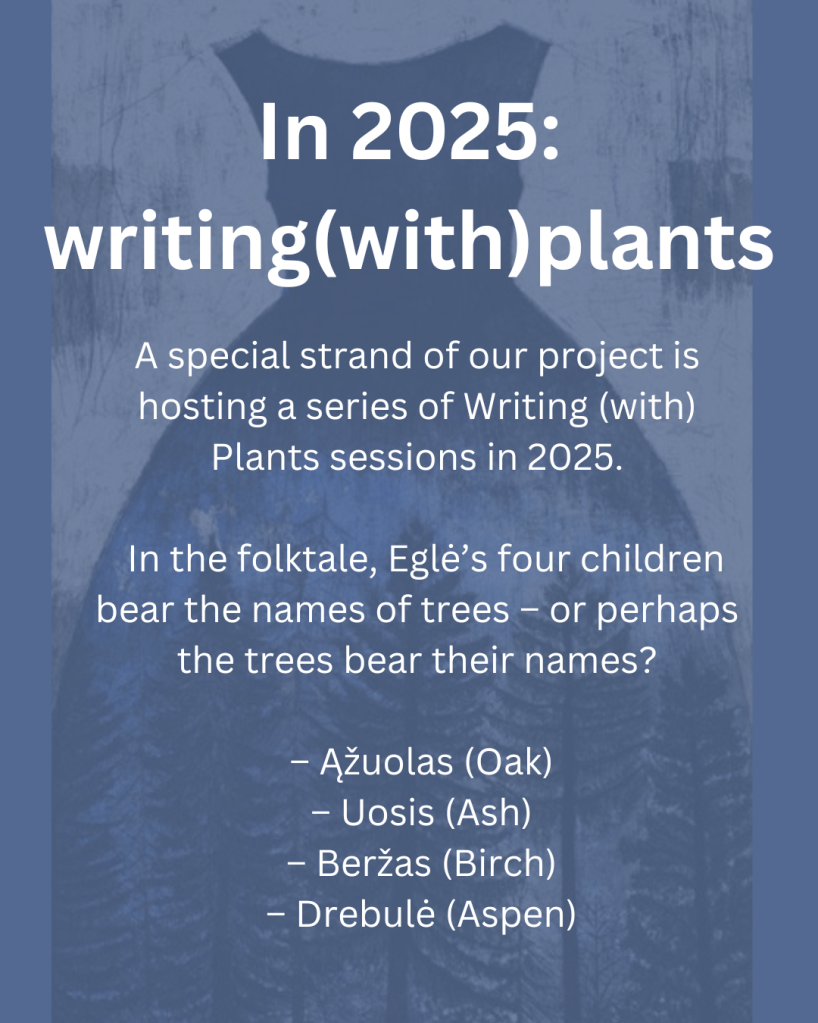
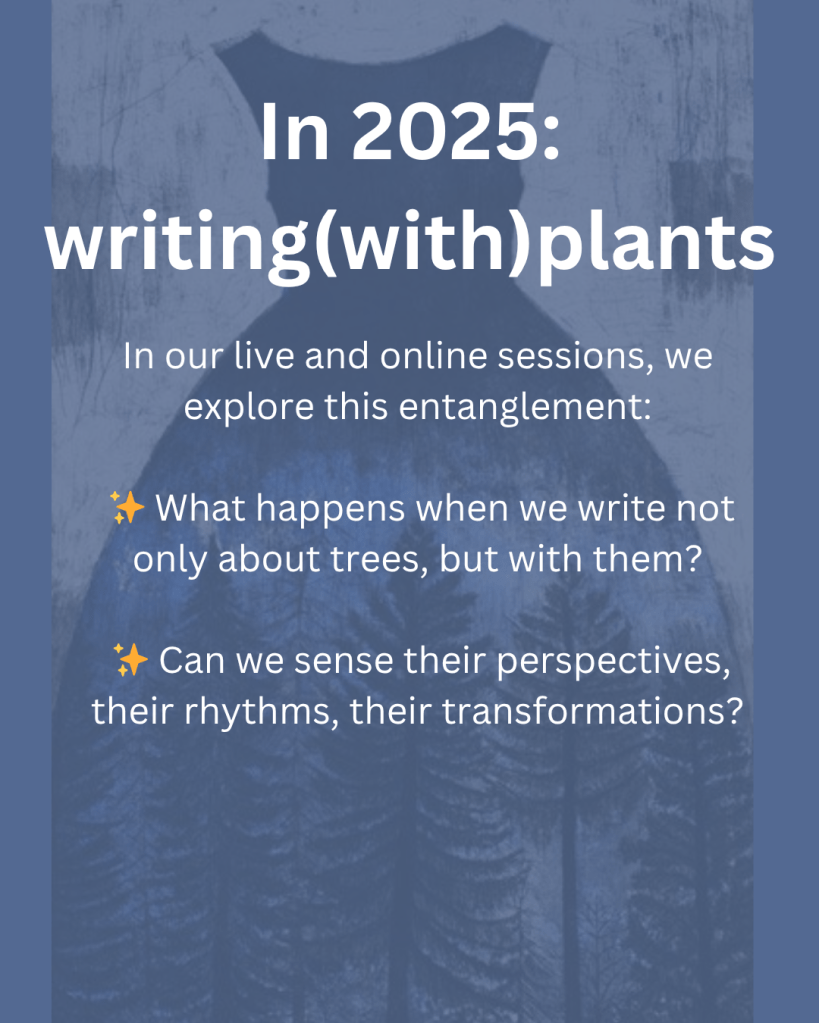
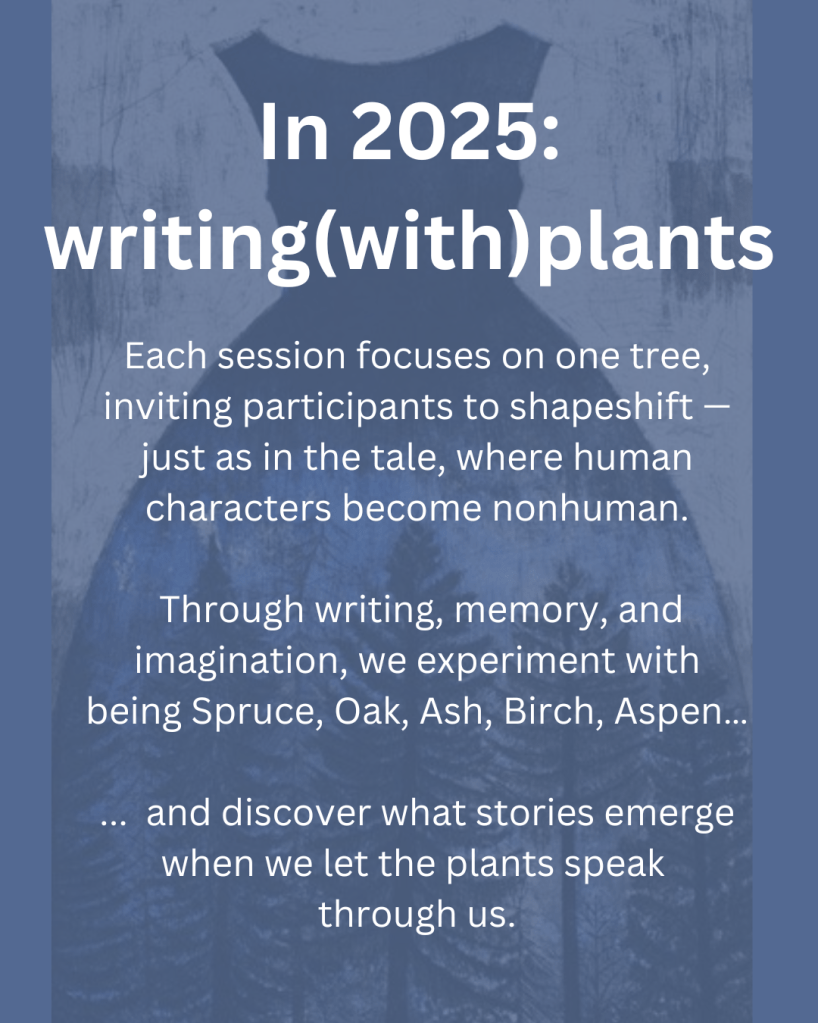
Special online sessions in 2025
Special online session in 2026
During the NSU winter symposium (17-18 January), which is all about eco-mythology, Wendy will present a lecture about the artistic process of research for a hydrofeminist retelling. More information will follow in the Newsletter.
The blog posts:
In the following blog posts, you will find reflections and reimagination of his ancient story from the Baltic sea region. Some blogs might be more academic, others more poetic, others something between.
Encountering Eglė/Spruce in Riga, Latvia – a new project announement
Last midwinter holidays, I talked shortly with an old friend about upcoming travels, including to the Baltic States. I said I would return for work to Estonia and Latvia after a long time. Curiously, I realised I have actually never been to Latvia. I have been to more than 70 countries, and most European countries. I thought Latvia was in the list, until this friend asked me when I was in Latvia. I was traveling back in time, but did not find any trace or memory. It was such a weird feeling of cognitive dissonance, to think you have been…

Flowing with Eglė: The beginning is about her readiness
This is a female text, a mix of an account of observations, thoughts and fragments of a fiction story-to-become on an inhabited island in the Stockholm Archipelago. This story happens on a coastline of the Baltic Sea and is connected with the Flowing with Eglė – Project. This reimagining mythology project is all about understanding Eglė by engaging with places where she potentially could have lived or visited. This might seem absurd. Was Eglė not a mythic figure? Not based on a historical figure? However, what is absurd in a world where many female stories have been erased in the…
Flowing with Eglė: Leaving the Patriarchy
Eglė let me re-member my devastated grandmother in May 1945. The day the war was over and the Red Army on their way west, she decided together with her husband to flee within a matter of hours from their home in Warnemünde – the Baltic Sea port where my grandfather had been building the He111 bomber plane. One reason why he would likely be taken to Siberia. In the port of Kiel en route to Denmark, she apparently almost jumped into the sea holding both my dad and his brother’s hand. The circumstances were unbearable to her. I don’t judge,…


Flowing with Eglė meets Writing(with)Birch
In this winter and spring, we are combining two projects: the Flowing with Eglė – Project and the Writing (with) plants – Project. The myth of Eglė who transforms herself and her four children into trees lends itself to the shapeshifting exercise at the end of each Writing(with) plants circle. We will do five circles, one for Eglė (spruce) and her four children. In the end of January 2025, we had a first circle with Eglė (Spruce). As we foreground this queen in many other blogs, I want to focus on one of her children, which will be our guest…
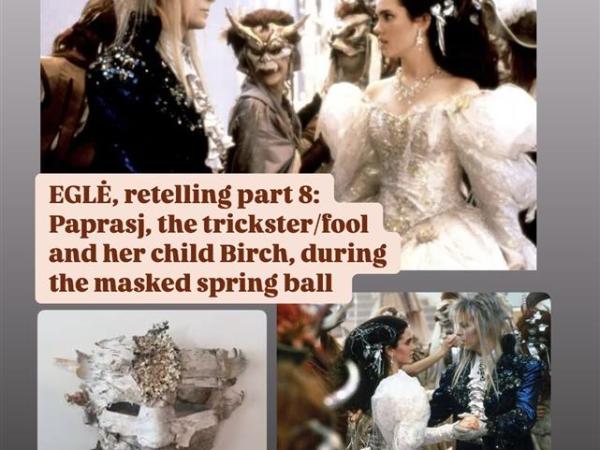
Flowing with Eglė : Birch, her lover, her fantasy, her carnival mask
Today, I facilitated another Writing(with)Plants session, this time inviting the presence of the birch tree. During the creative writing segment, I found myself exploring who Birch might have been before transforming into a tree, inspired by the Baltic myth woven into our Flowing with Eglė – Project. The narrative deepened as new elements emerged, carried in by the spirit of the season: carnival, tricksters, labyrinths, mazes, holy fools, and laughter. It felt only natural to begin the session with a song by David Bowie—As the World Falls Down—from the 1986 film Labyrinth. The haunting melody and masked dance scene perfectly…
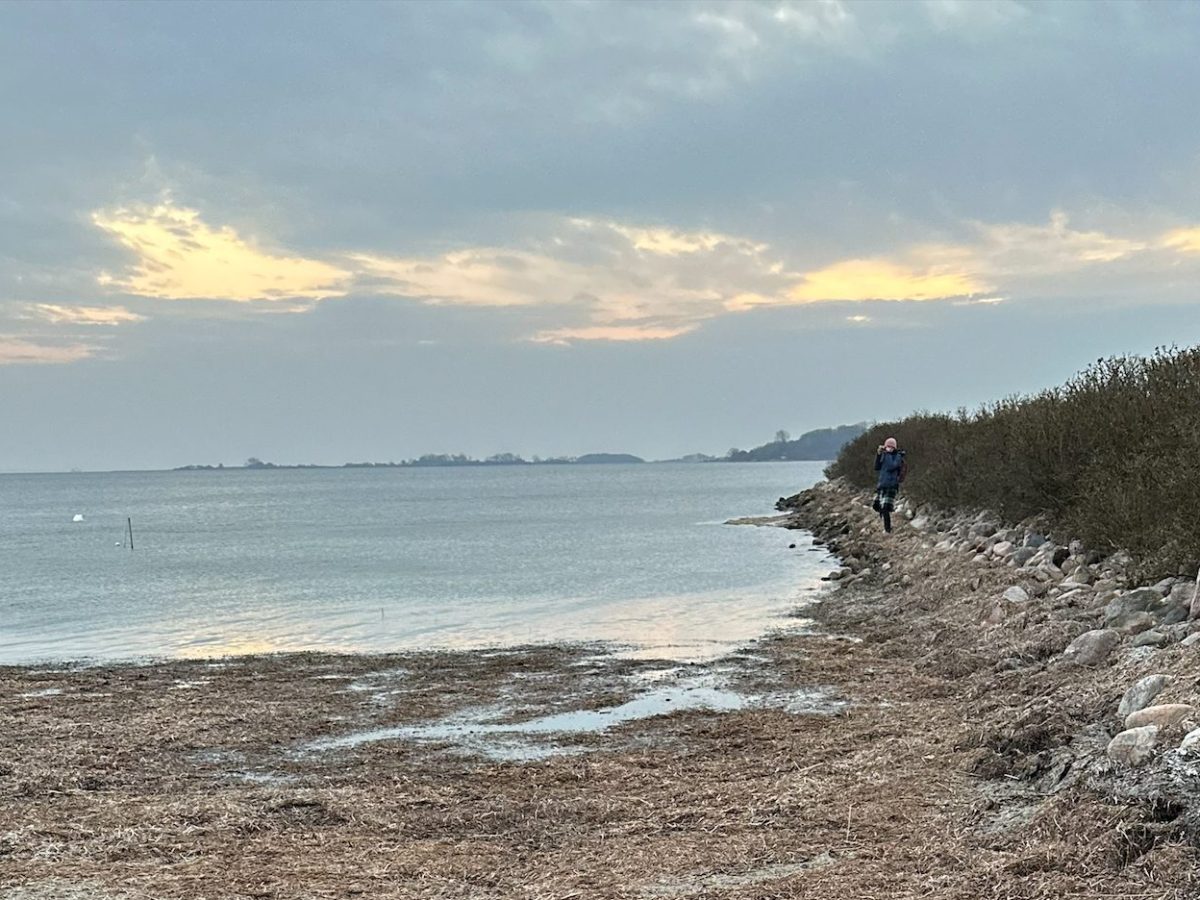
Flowing with Eglė: Encountering the Oak Prince in a Danish Castle Estate
During the spring equinox weekend, I had the pleasure of staying at Sandholt Slot, a centuries-old castle on the Isle of Fyn. The day before, I was in Copenhagen where the plants creeping on the old walls caught my attention. During the bus ride, I noticed all the signs of spring, like crocus flowers and other purple flowers. And then… entwined spruce hairs. Oh, entwined trees and bark that looks like snake skin, we are in the phase where they already got married, I thought. After the spruce (Eglė), I noticed the birches. Three white churches. Overgrown houses. And lonely…
Flowing with Eglė: remaining open for bittersweet deaths
Where can we live? Where can we thrive? There’s a million and one mysteries to be explored in life, but in this blog I want to write about my foundation for joy and thriving. In reference to Nora Bateson’s essay on words to be careful with1, I must however first elaborate around what in the world I mean by we. I am, I guess, part of this we to care with. Our culturally coerced individualism breeds many assumptions. Especially about them. Are we curious with our gut bacteria & skin mites, our carbon changing hands, making us more non- than…
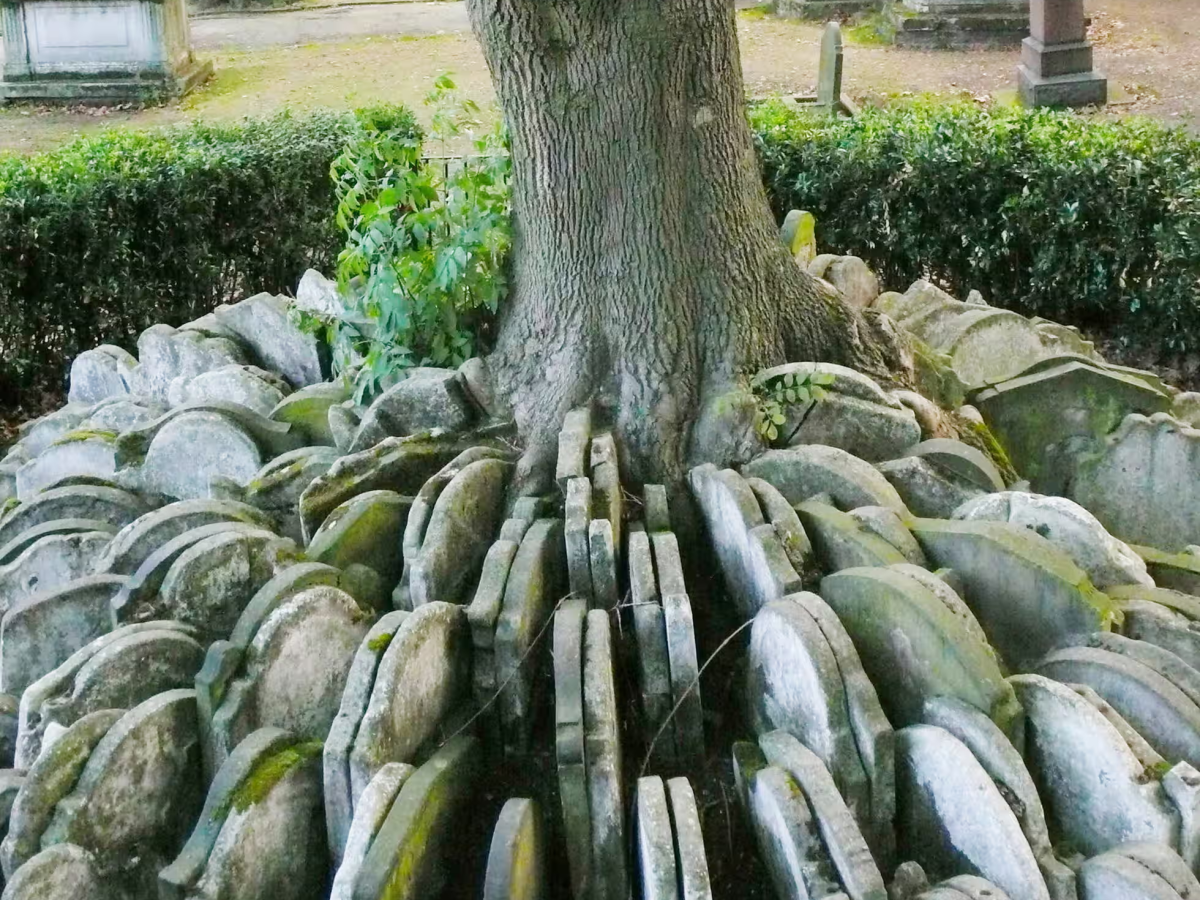
Flowing with Eglė: Ash, Blood, Passover, Sacrifice
As aforementioned, this spring and summer, we are combining the method of Writing (with) plants with the Flowing with Eglė – Project, where we create a new eco-myth. In this old myth, different human characters transform in trees, and we invite these trees as our guests in writing(with)plant sessions. the HARVEST FROM OUR WRITING(WITH)ASH SESSION A few days before Easter celebration on Sunday April 20th, and in the middle of the Jewish Passover, which began on Saturday, April 12, and ends after nightfall on Sunday, April 20, we invited the Ash Tree in our space. We had ten attendees, who called…
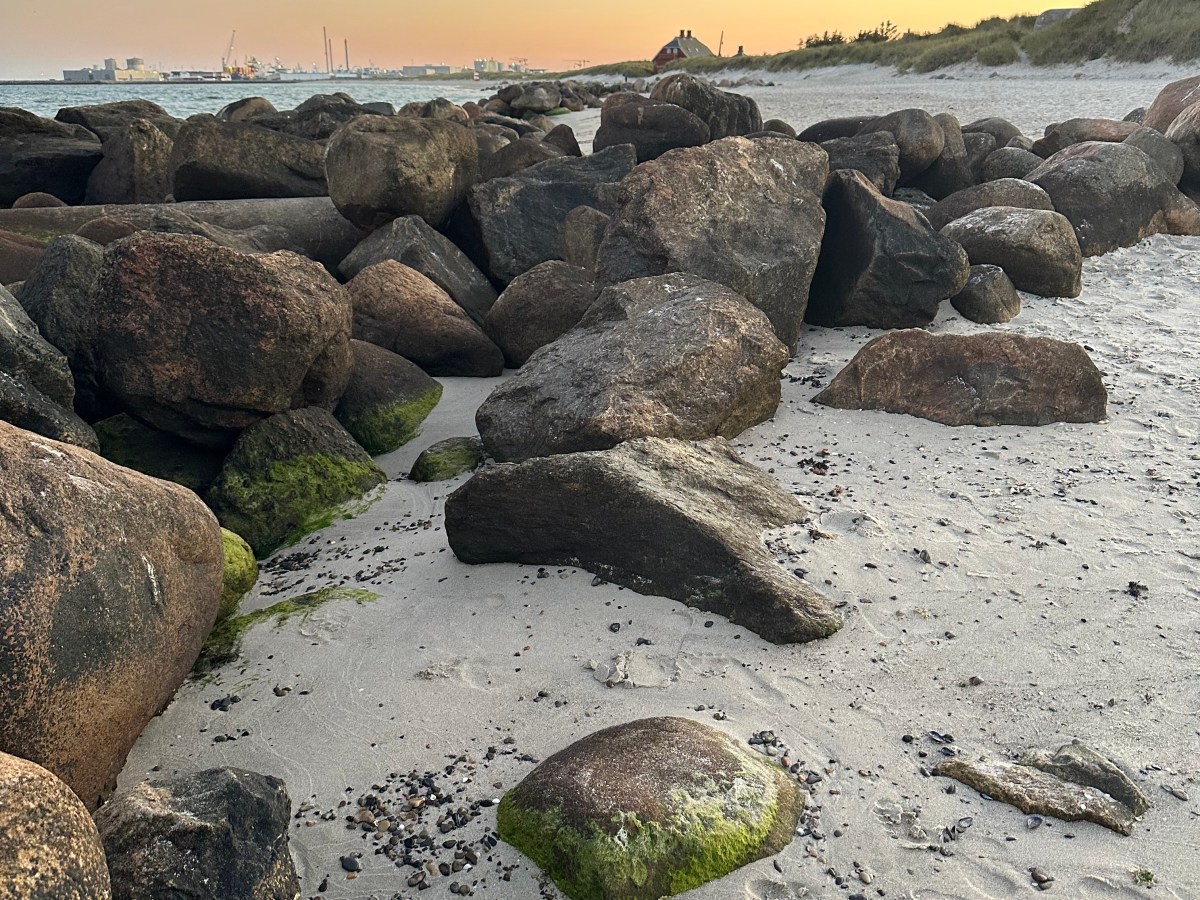
Flowing with Eglė: From desexualised wastelands to hydrosexuality in Skagen
In this blog post (20 minutes reading time, please brew some tea and enjoy), I share reflections on my short holiday visit to Skagen in Denmark, the place where the Baltic Sea meets the North Sea. Here, amidst the stark beauty of this landscape (where I experienced a personal-mystical travelogue), I contemplate desexualized lives that persist in such a wasteland and search for hydrosexual instructions to re-enchant both life and the world. Along the way, I engage with the theories of Silvia Federici, Ewelina Jarosz, Astrida Neimanis, and Cecilia Åsberg, drawing inspiration for my ongoing project: the hydrofeminist ecomythology of…

Flowing with Eglė: Lithuania, Jewish Roots, and Entangled Layers of Uprooting
In Vilnius, I joined a guided walk into a hidden courtyard in the old Jewish district. I would never have found it alone. There stood a statue, placed there in 1987, tucked away where memory feels both silenced and preserved. The statue displayed Medeina, the Lithuanian forest goddess, who rules this world of trees, animals, and shifting forms. A tall spruce caught my eye immediately. In Lithuanian and Latvian, spruce is Eglė. She belongs to one of my next book projects, and her story is one of transformation: after betrayal, Eglė turns herself and her children into trees. Some minutes…

If you would like to be involved, as participant in the online sessions or the live gatherings in 2026, please sign up to our tailored newsletter via this link or by scanning the QR code:

 Stories from the Wood Wide Web