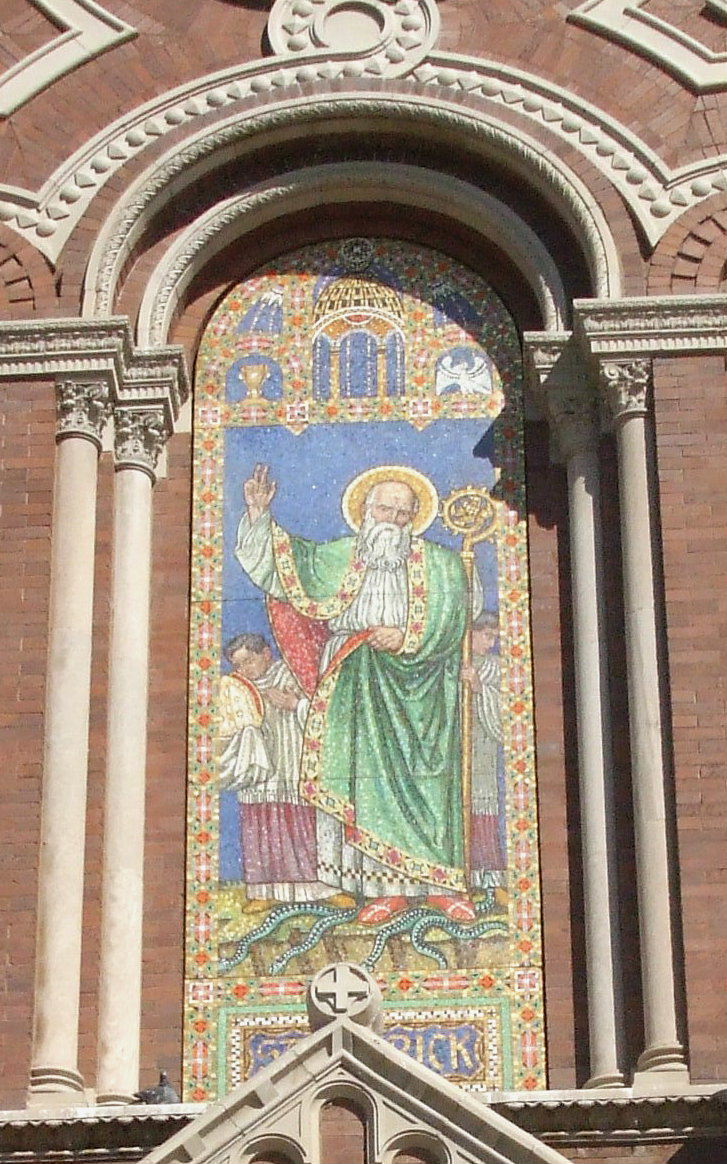
Bringing Back the Snakes and Wild Waters to Ireland
Every year as Saint Patrick’s Day approaches, I find myself thinking about snakes.
Not the symbolic ones we are told were driven out of Ireland by Saint Patrick, but the ones that live in stories. The serpents that wind through rivers and wells, the water snakes that appear in mythologies across the world, guardians of springs and thresholds between worlds.
And I wonder: what if the story of driving out the snakes is not something to celebrate, but something to rethink?
The Legend of the Missing Snakes
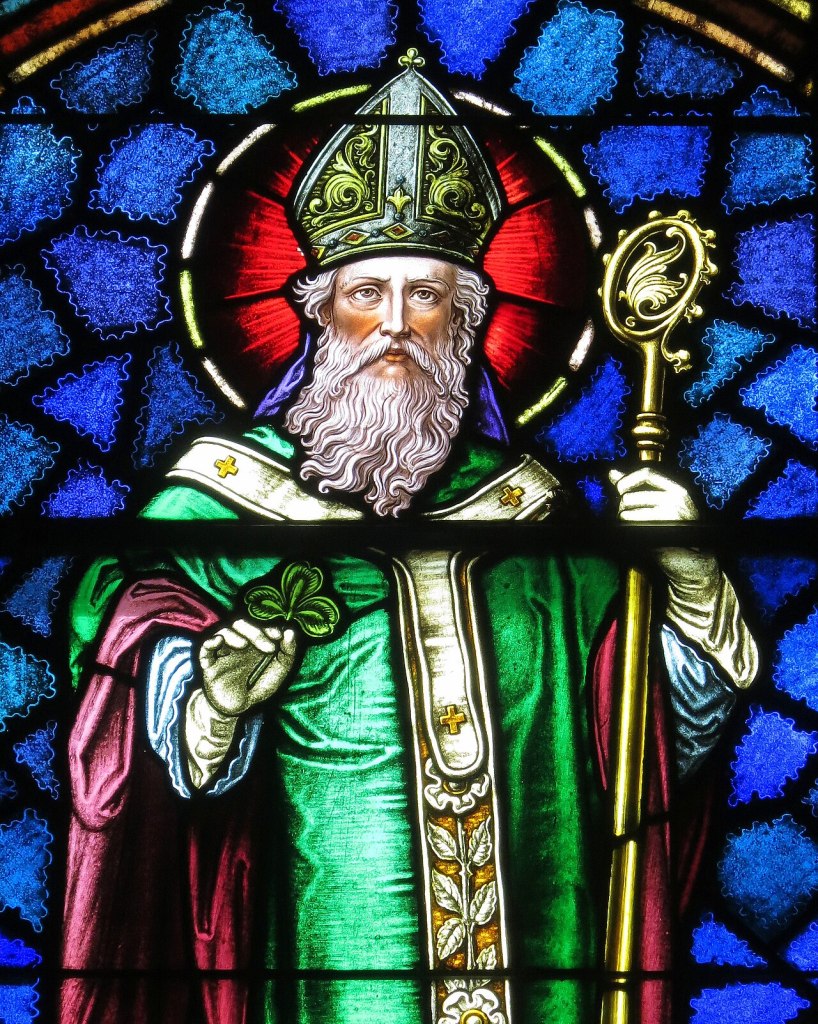
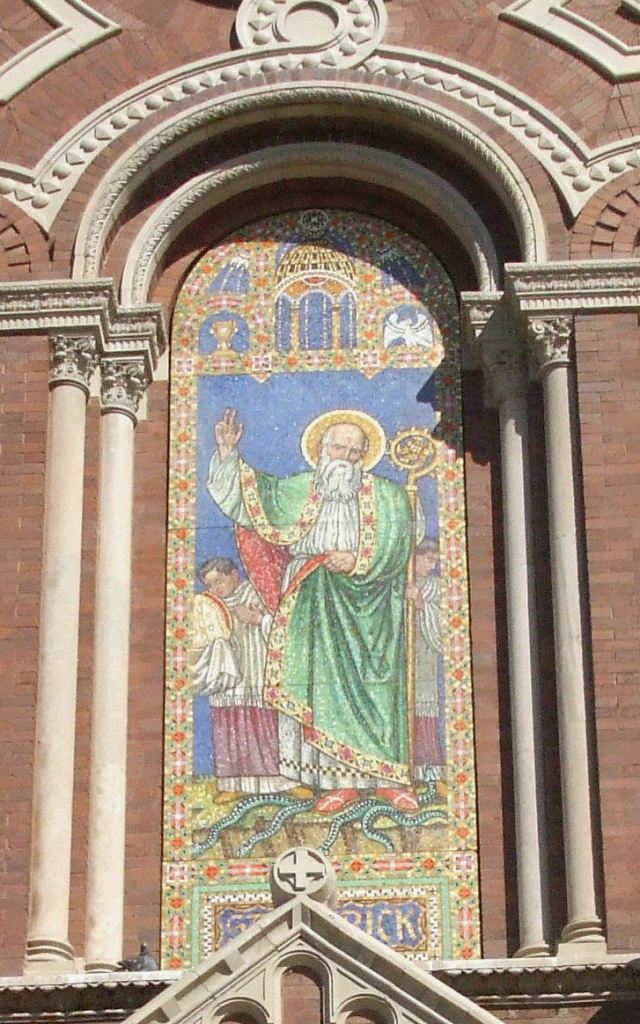
According to legend, Saint Patrick banished all snakes from Ireland. It is one of the most widely repeated stories associated with him.
Historically, however, Ireland likely never had snakes after the last Ice Age. The reptiles simply never made it across the sea once the island separated from mainland Europe.
So the story was probably never about reptiles.
Instead, many historians interpret the snakes as symbolic, standing for older spiritual traditions that Christianity sought to replace. That interpretation becomes even more intriguing when we consider the deeper mythological role of snakes.
Snakes, Waters and the More-than-Human World
Across cultures, snakes are often water beings. They appear in springs, wells, rivers, rain clouds and underground waters. They guard thresholds and sources of life. In many traditions they are neither evil nor good, but powerful intermediaries between worlds.
Social scientist Veronica Strang explores this beautifully in her book Water Beings: From Nature Worship to the Environmental Crisis. Through decades of research across different cultures, she traces how serpents, dragons and water spirits were once part of relational cosmologies, stories in which humans were only one part of a living world.
Then something changed.
As large-scale hydraulic societies emerged—building dams, canals and systems designed to control water—new myths began to appear. Stories of heroes taming dragons. Saints defeating serpents. Civilisation conquering the wild. The beast had to be subdued.
When Water Becomes the Enemy
Hydraulic infrastructures promise safety: flood control, irrigation, predictable landscapes.
But they also reshape our imagination.
When water becomes something to dominate, the beings associated with it (serpents, dragons, water spirits) become monsters. The stories shift from coexistence to conquest.
In this sense, the legend of Saint Patrick driving out the snakes may echo a much larger cultural shift: the replacement of relational cosmologies with binary thinking (civilised versus wild, sacred versus pagan, human versus nature).
The snake becomes the Other.
Ecofeminism, Hydrofeminism and the Return of the Serpent
From an ecofeminist and hydrofeminist perspective, snakes are not just reptiles or mythological creatures. They are symbols of flowing life … of waters, cycles, and the often-suppressed connections between women, bodies and landscapes.
Serpents move like rivers. They shed their skins and renew themselves. They belong to the damp places where life begins.
Driving out the snakes can therefore also be read symbolically: a distancing from watery, cyclical ways of knowing the world.
Rewilding the Myth
So perhaps we need a new story. Or rather, a rewilded one.
What if St Patrick’s Day became a moment to welcome back the snakes, not as invaders, but as storytellers? As reminders that landscapes are alive, that water has agency, that the world is more-than-human.
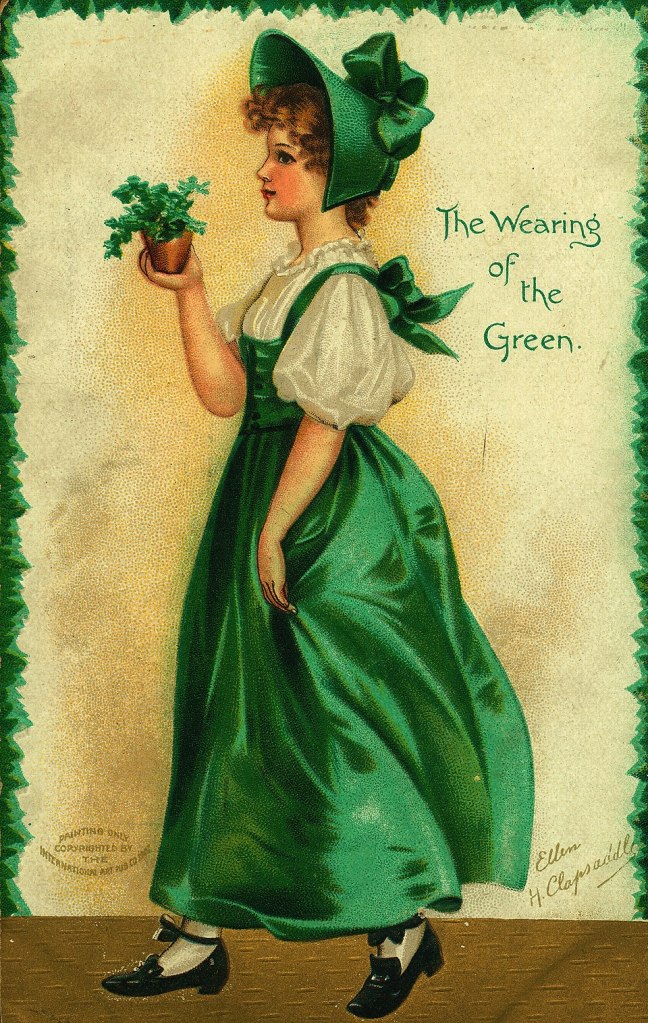
Imagine celebrating March 17th not only with green hats and shamrocks, but with rivers, springs and wetlands. Imagine honouring the beings of water. Imagine the return of the serpent.
Stories shape landscapes just as much as dams and canals do. If the past thousand years were filled with myths of taming the wild, perhaps the next century needs new myths: stories of repair, coexistence and rewilding.
Ireland, with its deep mythic traditions and powerful ecological imagination, could be a fertile ground for such … ecomythologies.
Join the Conversation
We are building a growing community of people interested in eco-mythology and Ireland, researchers, artists, storytellers, community leaders and curious explorers.
If you would like to follow future blogposts, hear about upcoming events, and contribute to the co-creation of new eco-mythologies, we invite you to join our newsletter. Together we can explore what has been hidden and imagine what might grow from it.
Sign up here for the Eco-Mythology Newsletter to receive future blogposts, event announcements, and news about upcoming symposia and gatherings.
Discover more from Stories from the Wood Wide Web
Subscribe to get the latest posts sent to your email.
 Stories from the Wood Wide Web