The Writing(with)plants care(work)book is here – Reserve Your Copy

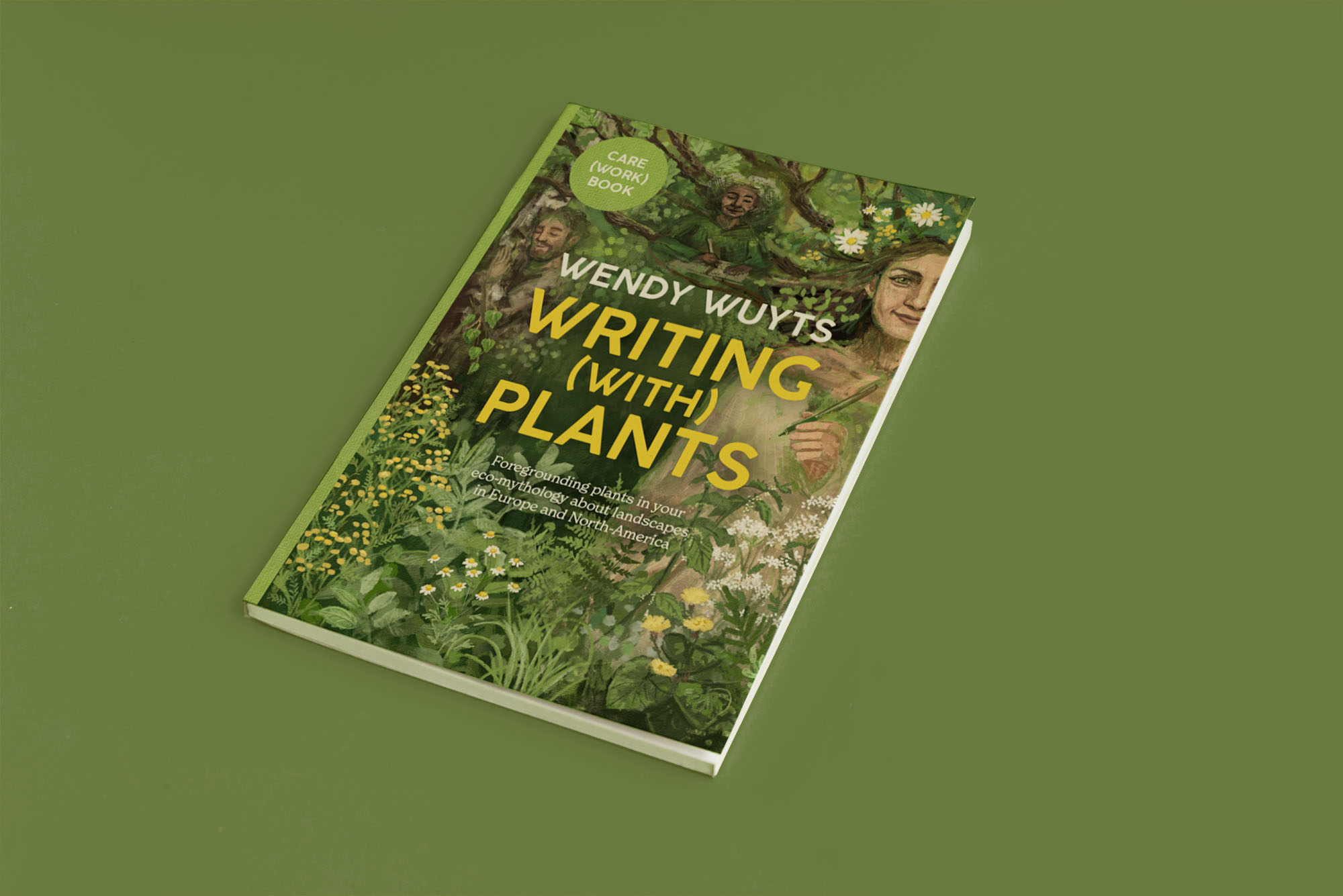
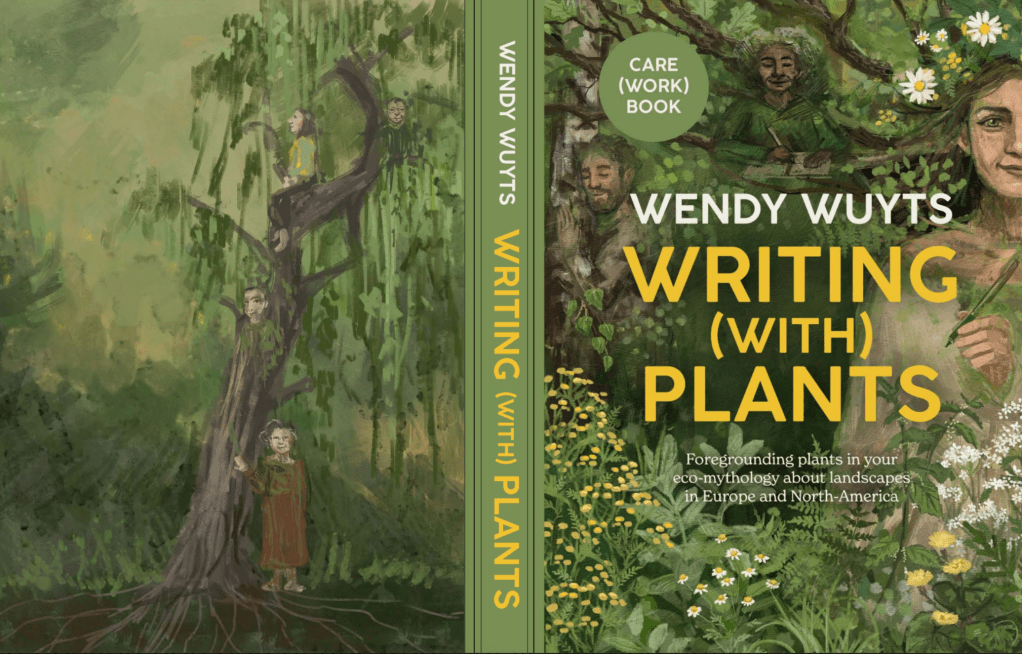
A book cover version of writing(with)plants

The book

What if writing could become a form of care? 

  • Care for ourselves?
  • Care for each other and our local communities?
  • Care for the more-than-human world?  

The care(work)book grows out of five years of writing(with)plants sessions, collective gatherings where people write alongside plants and landscapes, slowing down to notice, reflect and imagine together new stories, rituals and prototypes. 

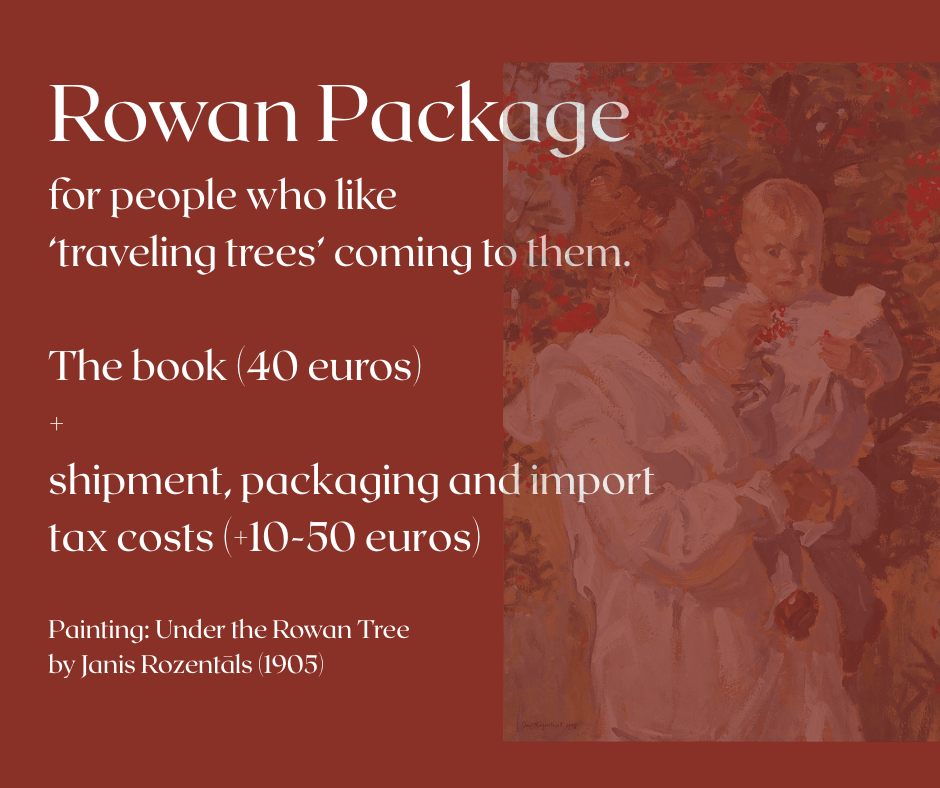
This first edition will be printed in May 2026 and shared across Europe and North America through workshops and community events. A limited amount of books can also be shipped. 

Created by a network of writers, facilitators and volunteers and initiated by Wendy Wuyts, the project aims not only to bring this practice into book form, but also to give something back: part of the income will fund book gift vouchers for online writing(with)plants hosts in 2026–2027, recognising their knowledge and and care work (including many hours of preparation).

he book brings together two elements:

CARE (WORK) BOOK WENDY WUYTS WRITING (WITH) PLANTS Foregrounding plants in your eco-mythology about landscapes in Europe and North-America
  • Part A offers stories and reflections rooted in a specific geography and lived experience. In this volume, written by Wendy Wuyts, we will learn more about Flanders, and her experiences, as a geographer, trained forest bath guide, ecofeminist researcher and as an initiator and facilitator of writing(with)plant sessions.  
  • Part B provides practical templates, exercises and frameworks that readers can use, adapt and experiment with in their own communities.

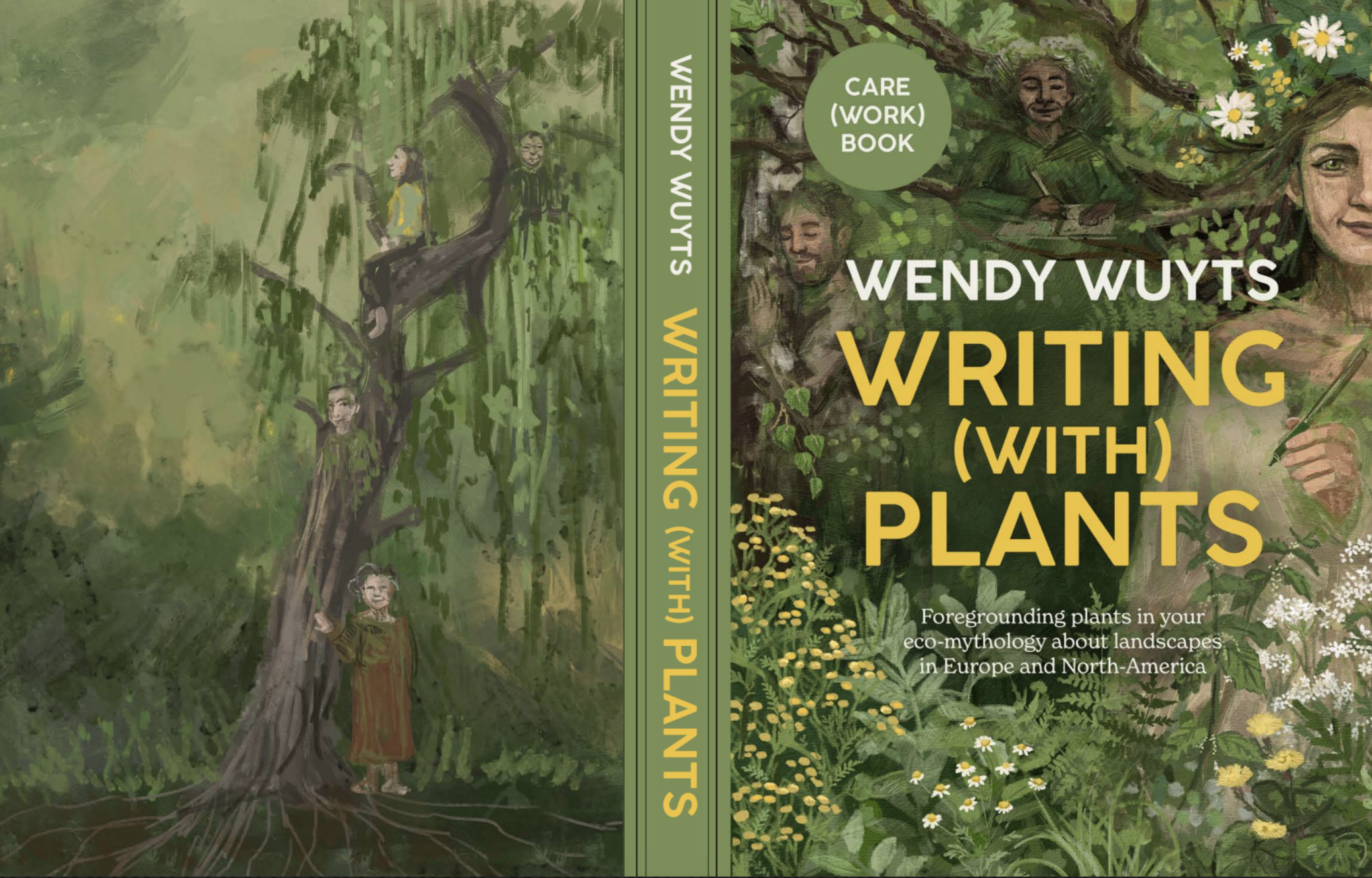
Book cover illustrations 

The book cover and illustrations were created by the Dutch artist Mary Feywood, (https://www.maryfeywood.nl) whose sensitive approach brought the writing(with)plants practice to life visually. During the design process, we had many inspiring discussions about how to represent the act of writing, care, and attention to plants and multispecies communities. For example. what should we characters hold? As you can see, someone holds a pen, another a tree, and a third is writing. 

In our updates, we will share more behind-the-scenes and choices behind the art. Here is one of the latest versions. In the updates, we will share the final version:

CARE (WORK) BOOK WENDY WUYTS WRITING (WITH) PLANTS WENDY WUY WRITIN (WITH) PLANT Foregrounding plants in you eco-mythology about landscap in Europe and North-Americ

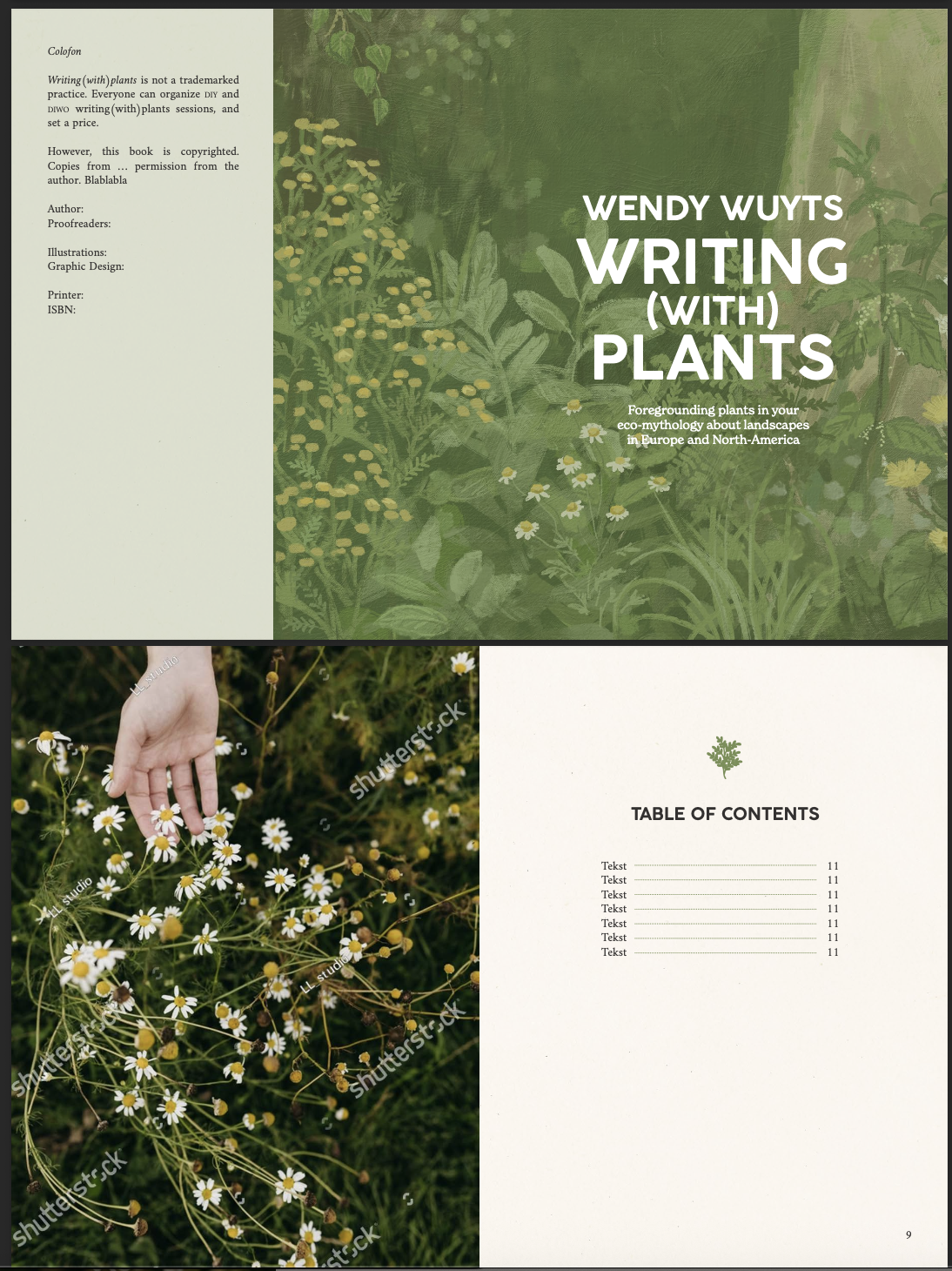
Graphic design

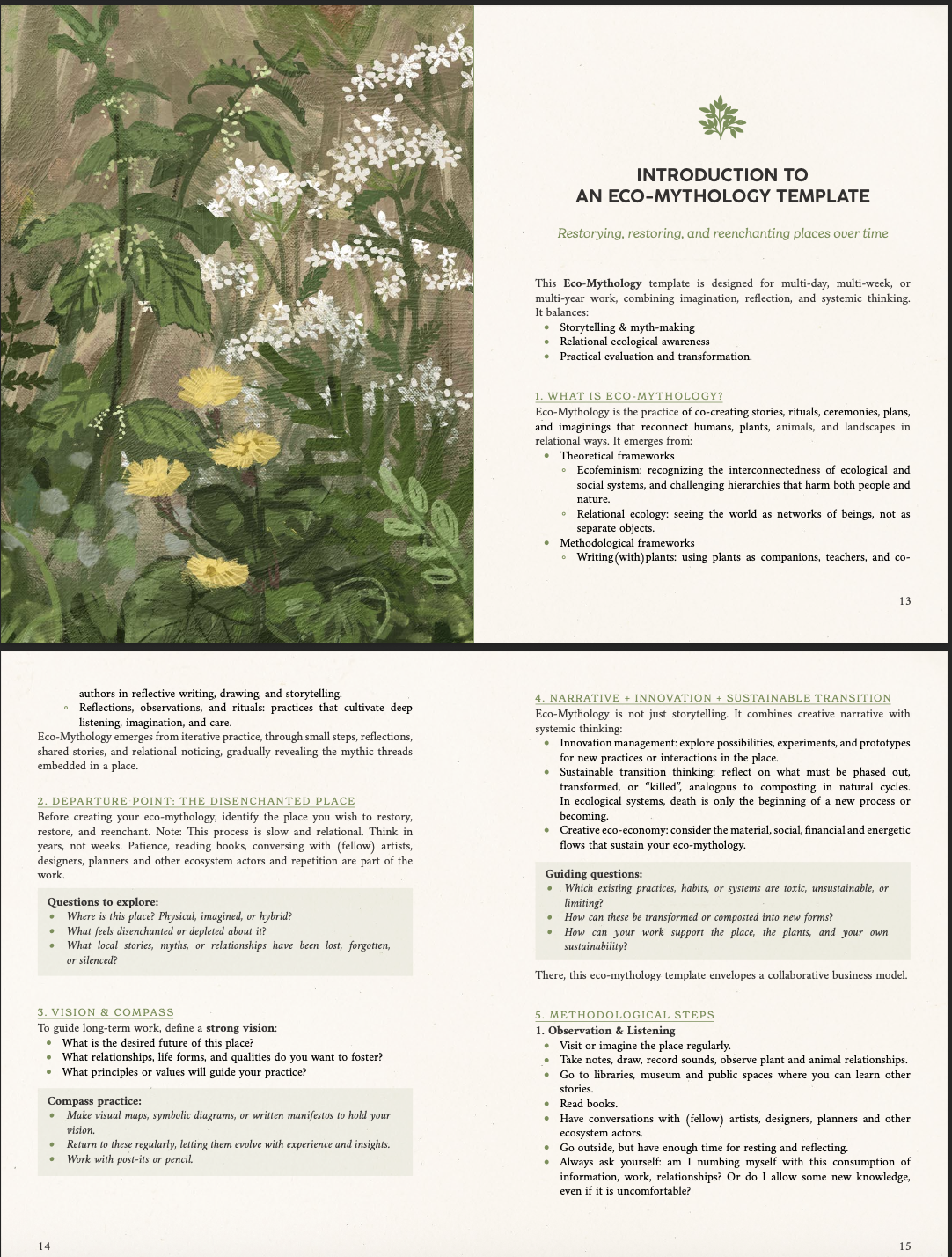
Here is a first concept of the graphic design for part B. As you see, the graphic designer works with illustrations and photographs and enough space for your own notes, drawings….  During the campaign, we share more updates how the graphic design evolves. 

Colofon Writing(with)plants is not a trademarked practice. Everyone can organize DIY and DIWO writing(with)plants sessions, and set a price. However, this book is copyrighted. Copies from permission from the author. Blablabla Author: WENDY WUYTS Proofreaders: Illustrations: Graphic Design: WRITING Printer: ISBN: (WITH) PLANTS Foregrounding plants in your eco-mythology about landscapes in Europe and North-America tudio TABLE OF CONTENTS Tekst 11 studio Tekst 11 Tekst 11 Tekst 11 Tekst 11 Tekst 11 Tekst 11 9
INTRODUCTION TO AN ECO-MYTHOLOGY TEMPLATE Restorying, restoring, and reenchanting places over time This Eco-Mythology template is designed for multi-day, multi-week, or multi-year work, combining imagination, reflection, and systemic thinking. It balances: Storytelling & myth-making Relational ecological awareness Practical evaluation and transformation. 1. WHAT IS ECO-MYTHOLOGY? Eco-Mythology is the practice of co-creating stories, rituals, ceremonies, plans, and imaginings that reconnect humans, plants, animals, and landscapes in relational ways. It emerges from: Theoretical frameworks Ecofeminism: recognizing the interconnectedness of ecological and social systems, and challenging hierarchies that harm both people and nature. Relational ecology: seeing the world as networks of beings, not as separate objects. Methodological frameworks Writing(with)plants: using plants as companions, teachers, and co- 13 authors in reflective writing, drawing, and storytelling. 4. NARRATIVE INNOVATION SUSTAINABLE TRANSITION Reflections, observations, and rituals: practices that cultivate deep Eco-Mythology is not just storytelling. It combines creative narrative with listening, imagination, and care. systemic thinking: Eco-Mythology emerges from iterative practice, through small steps, reflections, Innovation management: explore possibilities, experiments, and prototypes shared stories, and relational noticing, gradually revealing the mythic threads for new practices or interactions in the place. embedded in a place. Sustainable transition thinking: reflect on what must be phased out, transformed, or "killed", analogous to composting in natural cycles. 2. DEPARTURE POINT: THE DISENCHANTED PLACE In ecological systems, death is only the beginning of a new process or Before creating your eco-mythology, identify the place you wish to restory, becoming. restore, and reenchant. Note: This process is slow and relational. Think in Creative eco-economy: consider the material, social, financial and energetic years, not weeks. Patience, reading books, conversing with (fellow) artists, flows that sustain your eco-mythology. designers, planners and other ecosystem actors and repetition are part of the work. Guiding questions: Which existing practices, habits, or systems are toxic, unsustainable, or Questions to explore: limiting? Where is this place? Physical, imagined, or hybrid? How can these be transformed or composted into new forms? What feels disenchanted or depleted about it? How can your work support the place, the plants, and your own What local stories, myths, or relationships have been lost, forgotten, sustainability? or silenced? There, this eco-mythology template envelopes a collaborative business model. 3. VISION & COMPASS 5. METHODOLOGICAL STEPS To guide long-term work, define a strong vision: 1. Observation & Listening What is the desired future of this place? Visit or imagine the place regularly. What relationships, life forms, and qualities do you want to foster? Take notes, draw, record sounds, observe plant and animal relationships. What principles or values will guide your practice? Go to libraries, museum and public spaces where you can learn other stories. Compass practice: Read books. Make visual maps, symbolic diagrams, or written manifestos to hold your Have conversations with (fellow) artists, designers, planners and other vision. ecosystem actors. Return to these regularly, letting them evolve with experience and insights. Go outside, but have enough time for resting and reflecting. Work with post-its or pencil. Always ask yourself: am I numbing myself with this consumption of information, work, relationships? Or do I allow some new knowledge, even if it is uncomfortable? 14 15

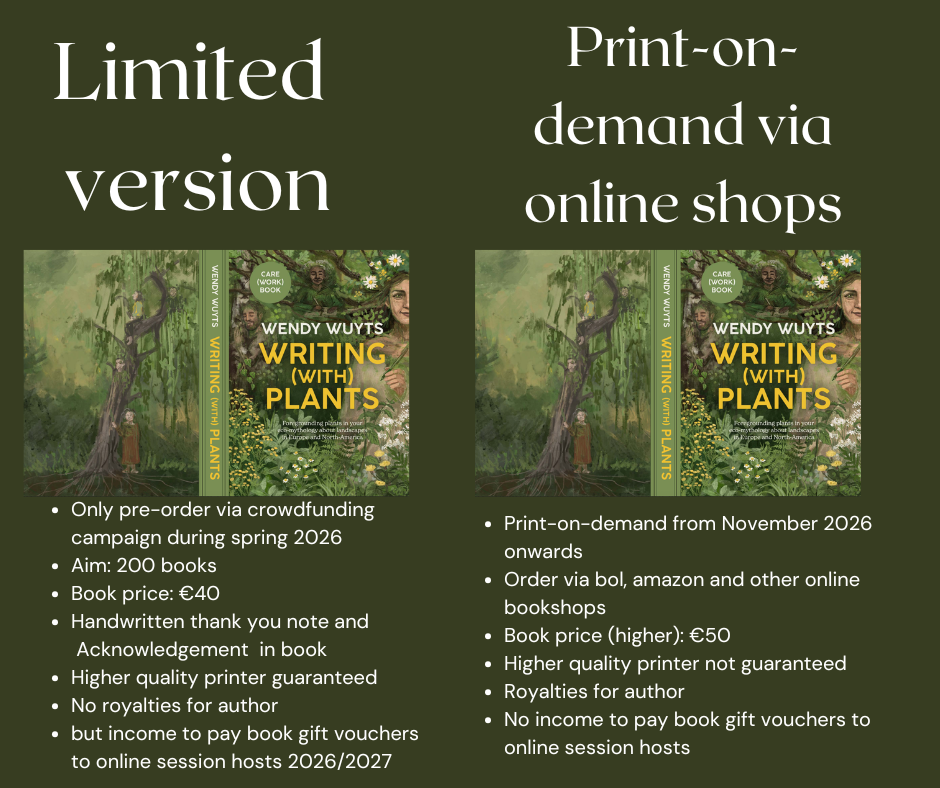
From a limited edition to print-on-demand

This crowdfunding should be seen as a pre-order opportunity of the limited book. We will work with a high-quality printer in the Netherlands and we push the price as much as possible.

For other books, we worked with a print-on-demand service from the Netherlands (Brave New Books). We cannot guarantee the print control or the distribution. Quite some money is for this platform and the distribution players like Amazon and Bol. In November, I will publish the book in the platform. The price will be higher. 

Limited Print-on- demand via version online shops CARE CARE (WORK) BOOK BOOK WENDY WUYTS WRITING (WITH) PLANTS WENDY WUYTS WRITING (WITH) PLANTS WENDY WUYTS WRITING (WITH) PLANTS WENDY WUYTS WRITING (WITH) PLANTS Only pre-order via crowdfunding Print-on-demand from November 2026 campaign during spring 2026 onwards Aim: 200 books Order via bol, amazon and other online Book price: €40 bookshops Handwritten thank you note and Book price (higher): €50 Acknowledgement in book Higher quality printer not guaranteed Higher quality printer guaranteed Royalties for author No royalties for author No income to pay book gift vouchers to but income to pay book gift vouchers online session hosts to online session hosts 2026/2027

Rewards

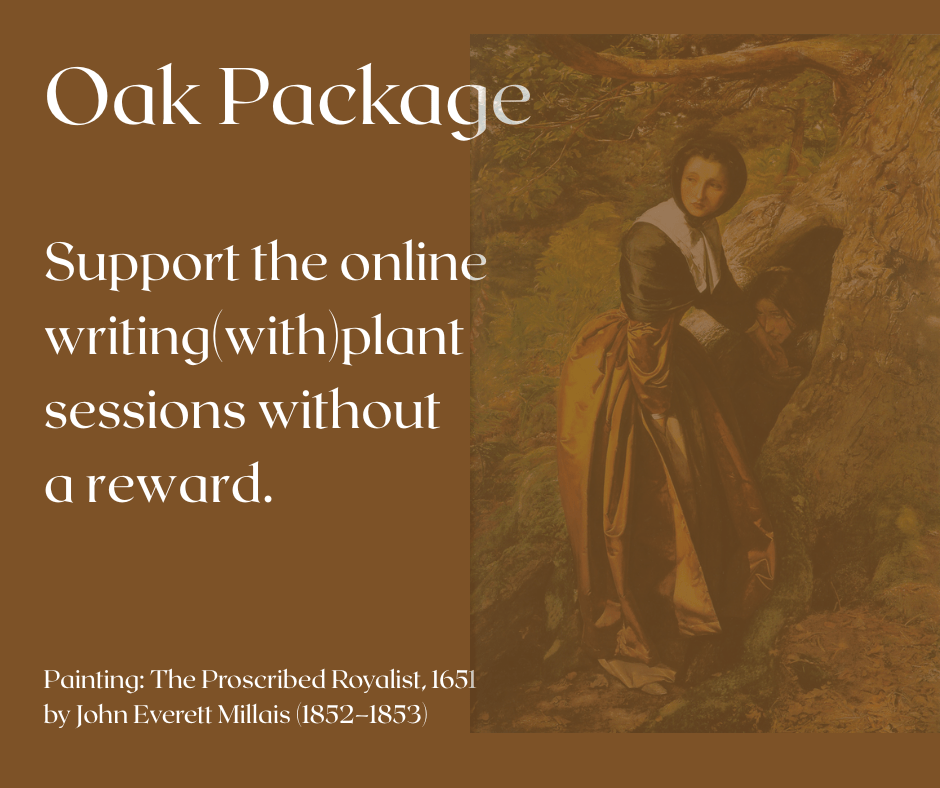
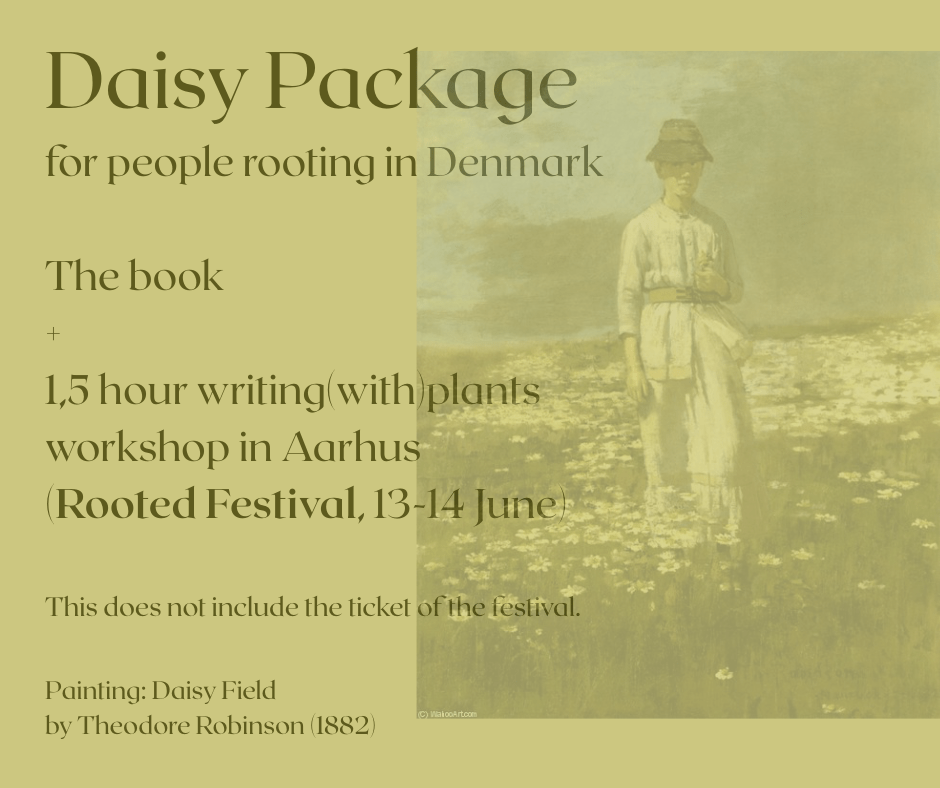
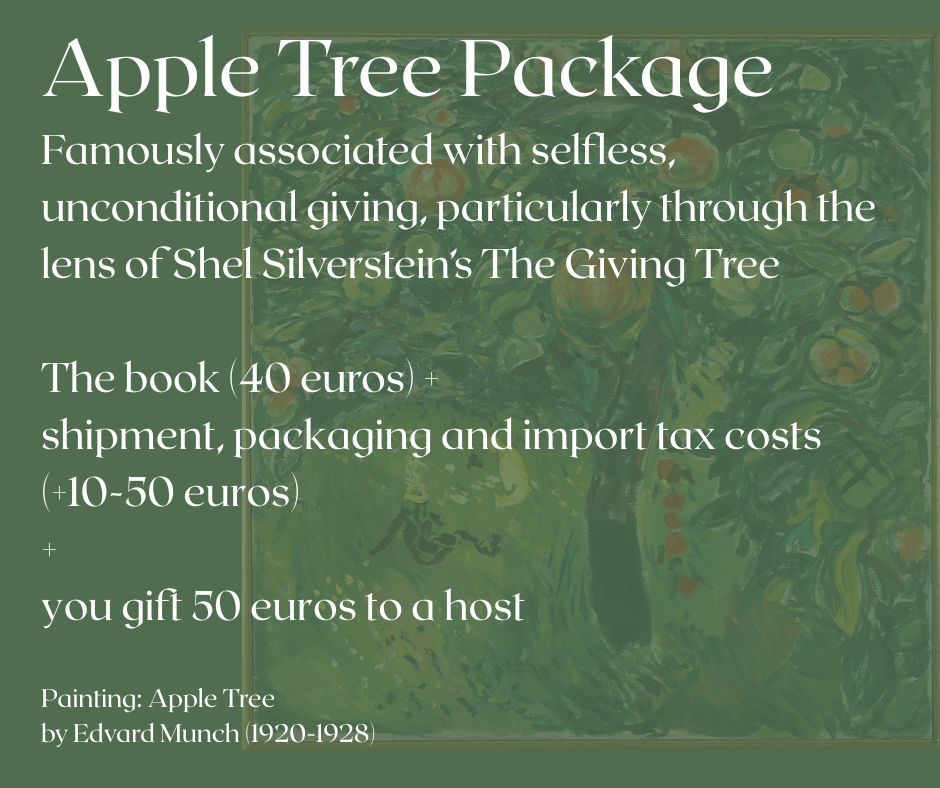
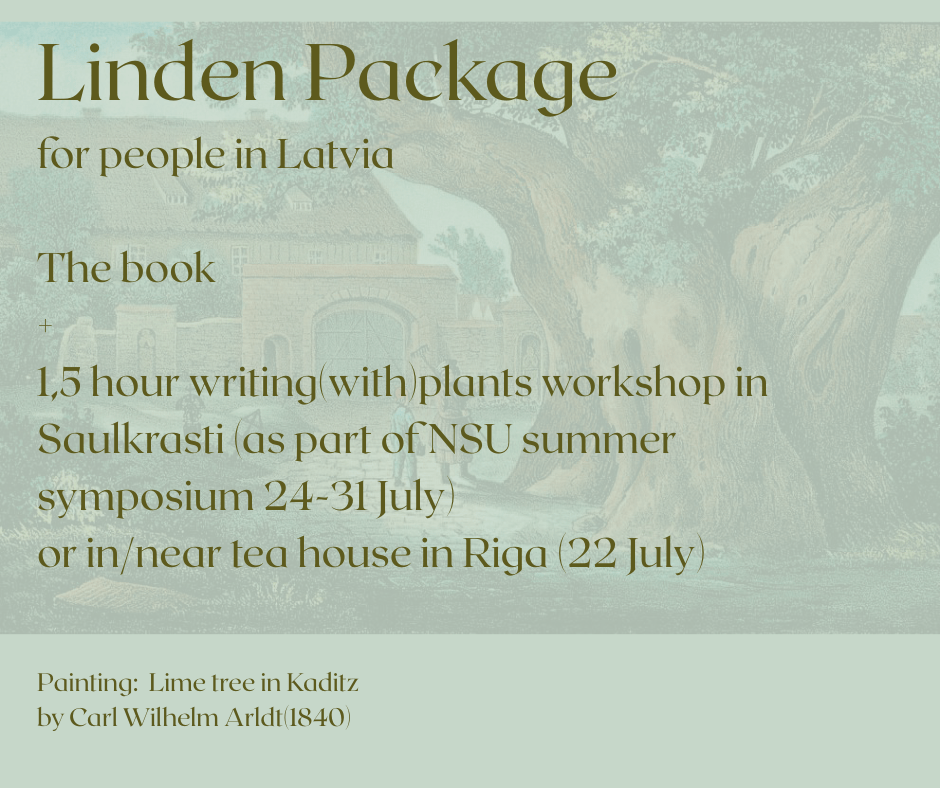
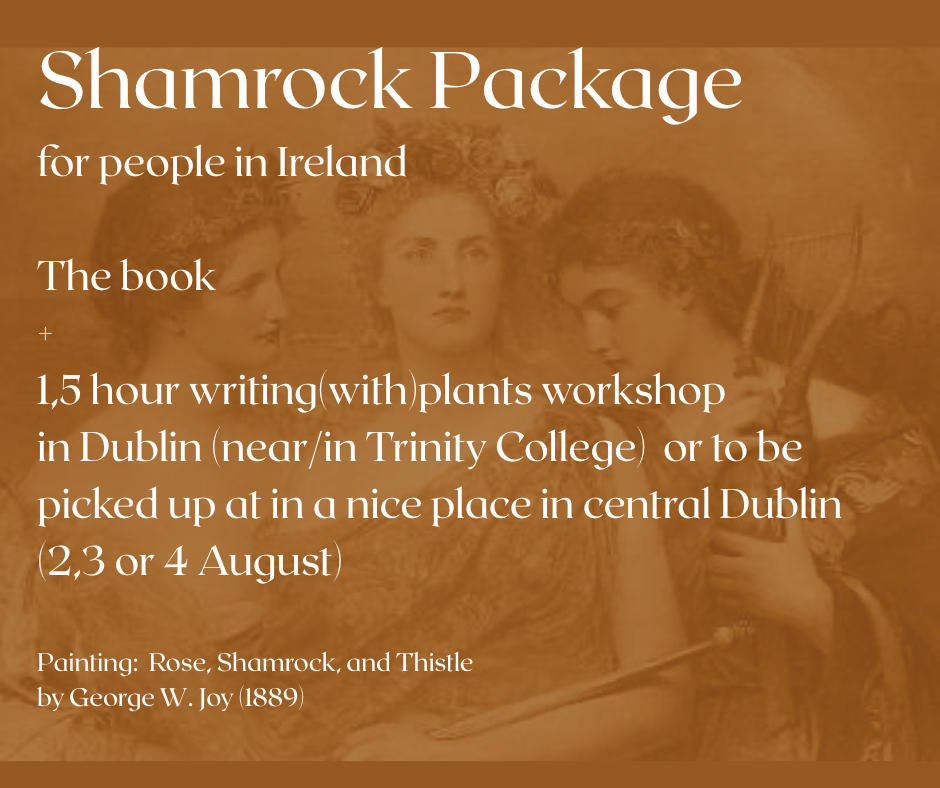
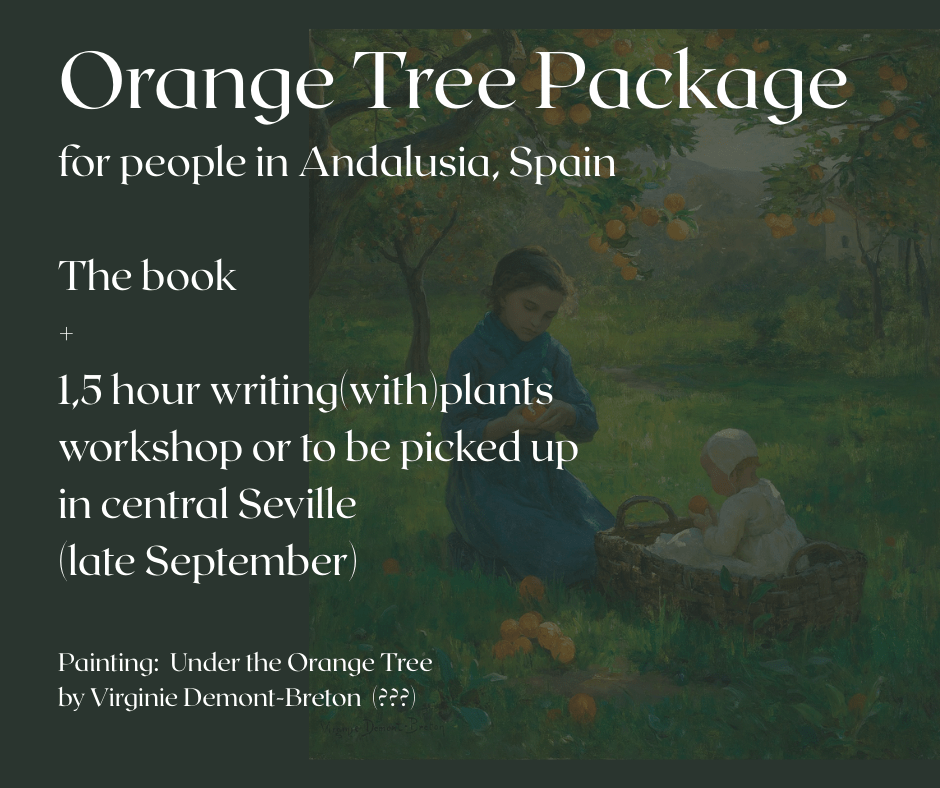
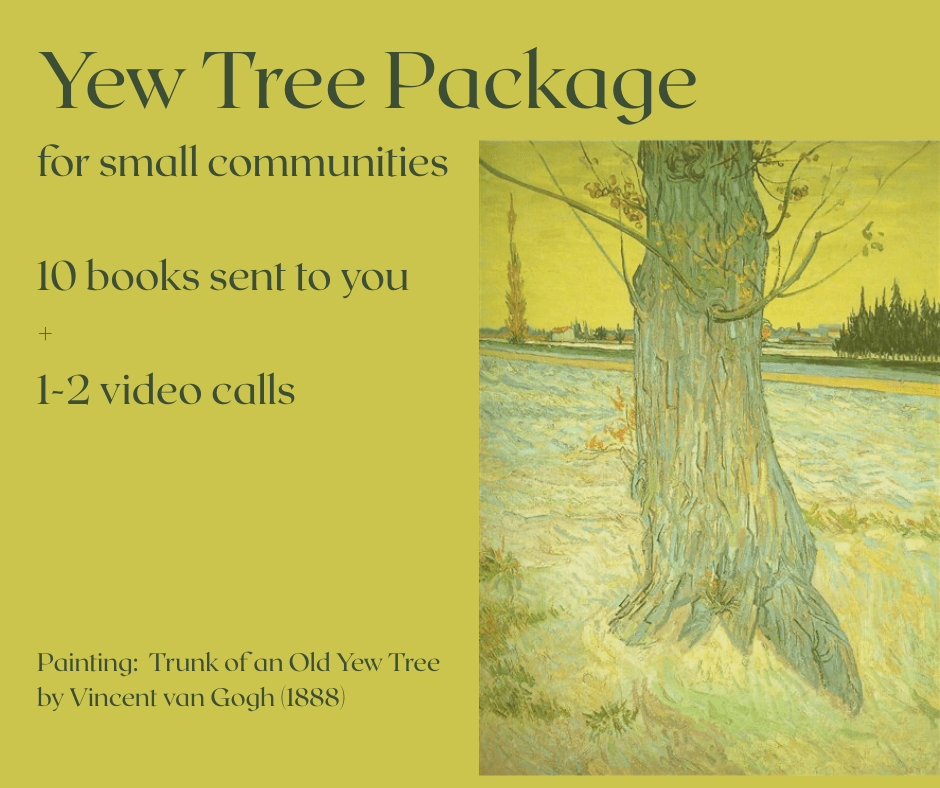
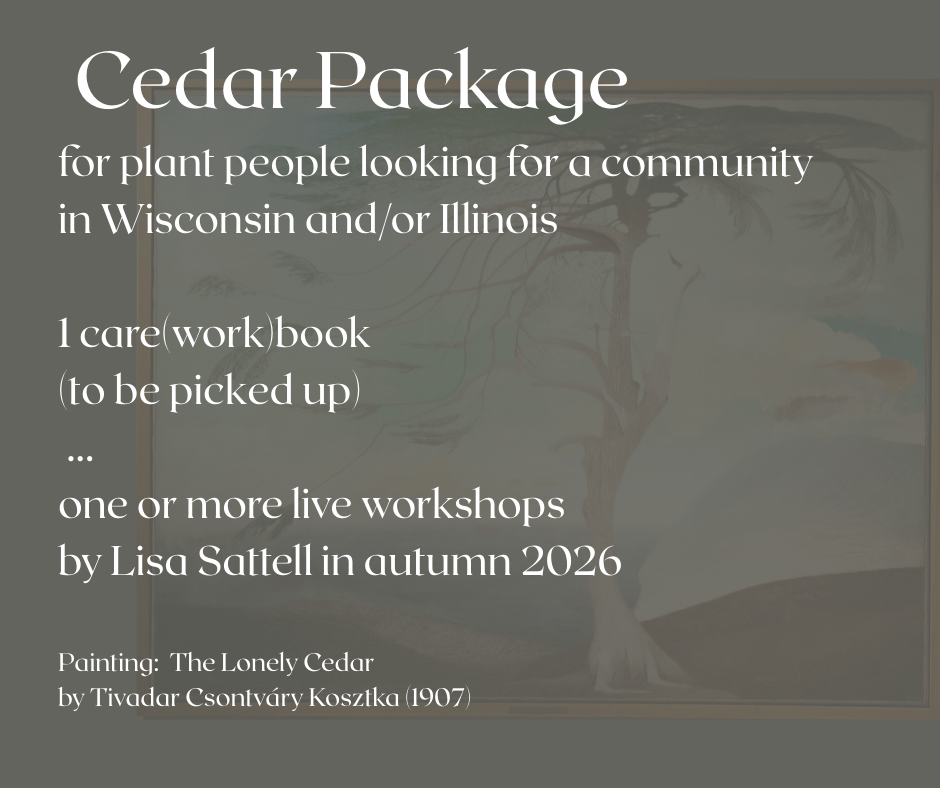
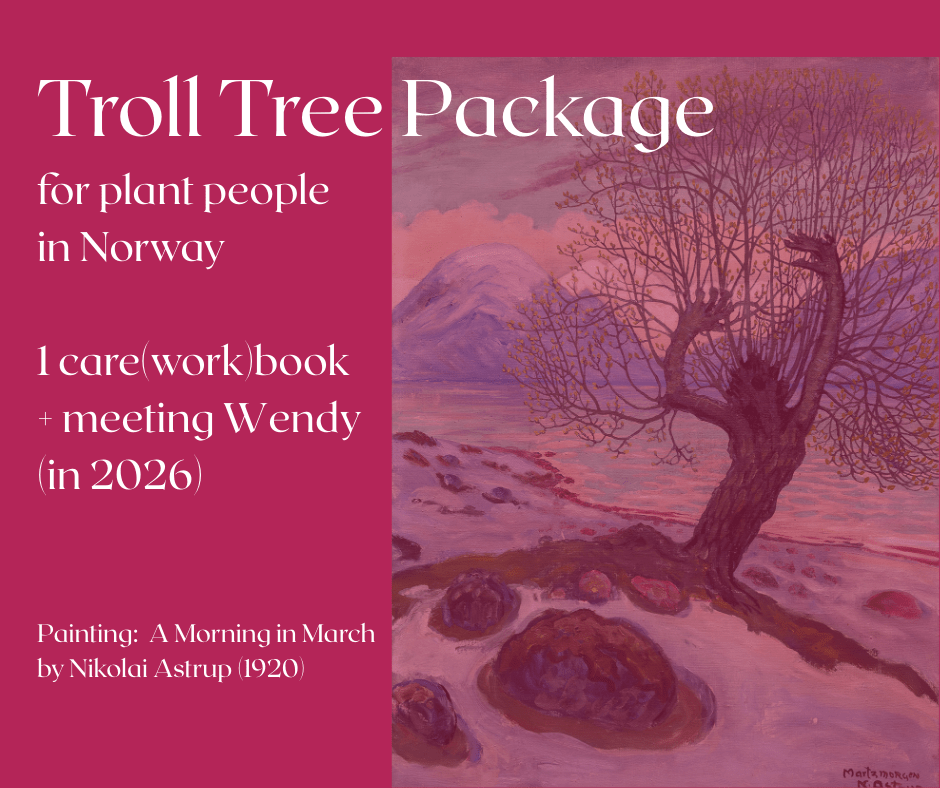
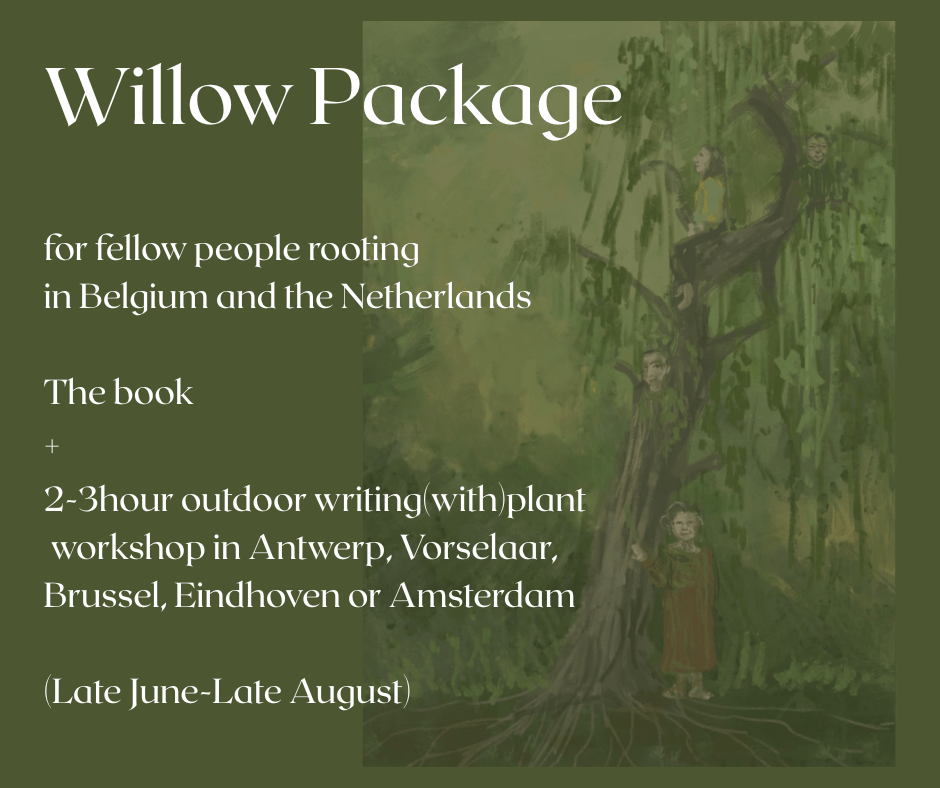
You can read more page on the page https://nl.ulule.com/writing-with-plants-the-book/, but we like to share a gallery of the infographics I designed for the crowdfunding page. As you can see, there are also opportunities in late spring until autumn to join a workshop in Europe or the USA, where you can pick up your copy.

If you want to join the free online sessions, 

Sign up to our writing(with)plant newsletter via this link or the QR code below:

The newsletter includes blogposts, announcement of next sessions, more behind the scenes and musings and often the slide deck of previous sessions.

You can only pre-order and support until Friday April 17th.

Click here to access the crowdfunding: https://www.ulule.com/writing-with-plants-the-book

Discover more from Stories from the Wood Wide Web

Subscribe to get the latest posts sent to your email.