Day equals night – night equals day. As the duration of the sun’s radiance in the sky shortens, we will descend again in the circle of the year… Traditionally, on September 20 (Saturday), in the mystical Kernavė mounds, there is an impressive celebration of the Autumnal Equinox and the Baltic Unity Festival, designed to mark the astronomical transformation of nature and to remind us of the importance of the unification of the Baltic tribes through a symbolic experience. This blogpost shares some impression of this celebration in Kernavė (20 September) and in Vilnius (22 September) and explains why Lithuania can be called the last pagan country of Europe.
Arriving in Vilnius, the capital of Lithuania



Lithuania is often called the last pagan country in Europe because it was the final region to officially adopt Christianity, holding onto its indigenous pagan beliefs well into the late 14th century. Its people maintained a deep reverence for nature, worshiping gods linked to forests, rivers, and the sun. One striking expression of this spiritual heritage is the tradition of straw gardens, intricately crafted arrangements of straw and plants that celebrate the cycles of nature and honor the harvest. These ephemeral creations reflect Lithuania’s enduring connection to ancient rituals, where fertility, life, and the natural world were central to communal and spiritual life.
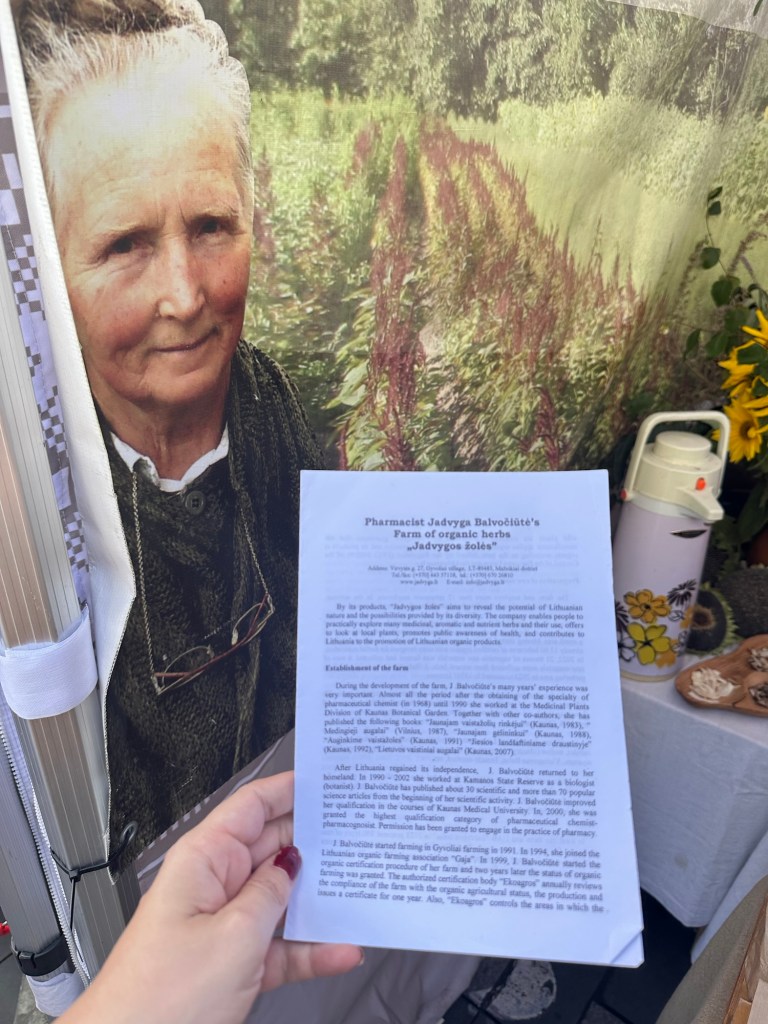
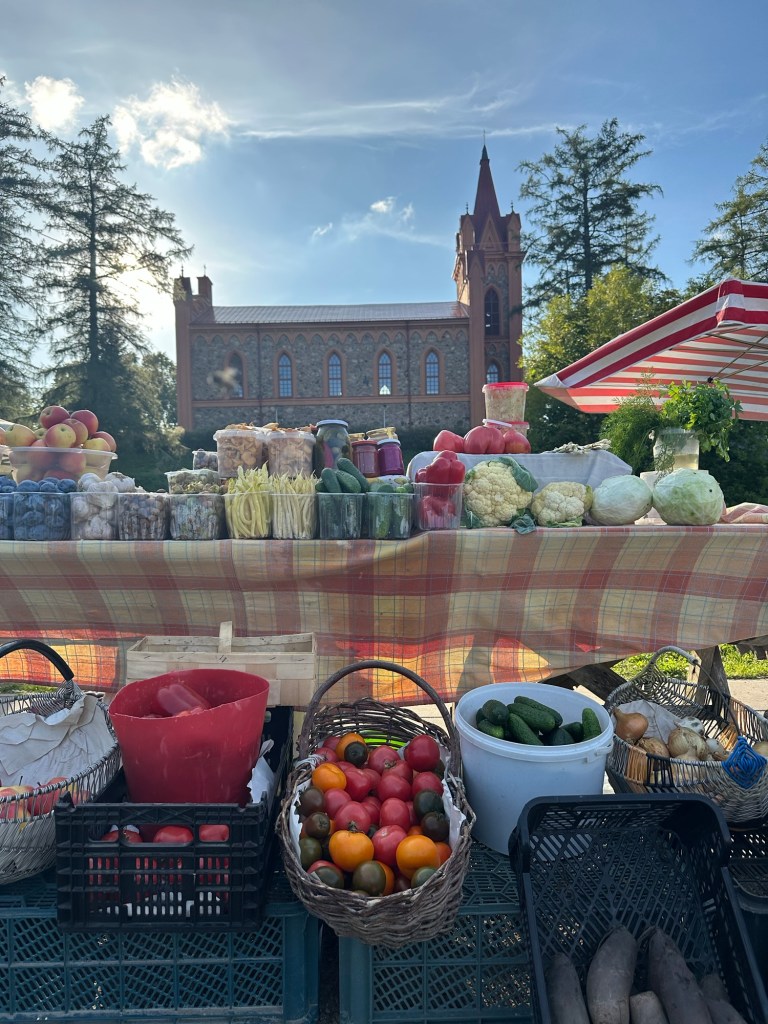
ROAD MARKETS with cranberries, chanterelles and apples: A GRANNY GIVES YOU A FREE APPLE
The autumn equinox might not always be celebrated with large village parties, but rather in smaller gatherings, with rituals and ceremonies giving thanks for the harvest. This quiet pause, and the encounters with the old Lithuanian grandmothers who shared their food freely, expecting nothing in return, was perhaps the most “autumn equinox” experience I’ve had in these three days.

About marija gimbutas and when archeology meets mythology and linguistics
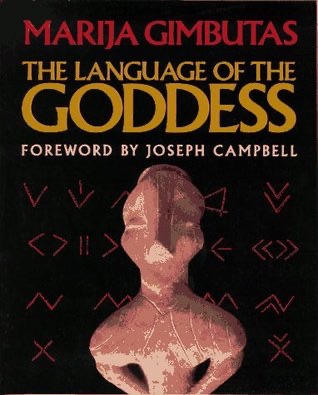
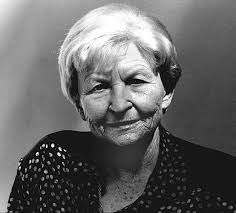
Marija Gimbutas, a pioneering Lithuanian-American archaeologist, is best known for blending archaeology, mythology, and linguistics to reconstruct the spiritual and cultural life of ancient Europe. She explored the roots of Europe’s prehistoric societies, revealing a rich tapestry of goddess worship, fertility rituals, and matriarchal symbolism long before recorded history. Her work resonates deeply with Lithuania, a land that preserved pagan traditions well into the Middle Ages, and where echoes of these ancient beliefs, through folklore, rituals, and sacred landscapes—can still be felt today. I did not read her book, but I found her book in one of the bookshops and plan to read it this autumn/winter. She did not write about Lithuania, but it does not surprise me that this pioneer came from the last pagan country in Europe. There are many traces of old Europe. Even during the one hour drive from Vilnius to Kernavė, G. pointed out that we traveled through a regional park with sacred trees and wells. You have to come back and we will make a whole ecomythological trip.

AUTUMN EQUINOX AND BALTIC UNITY CELEBRATINS IN KERNAVė
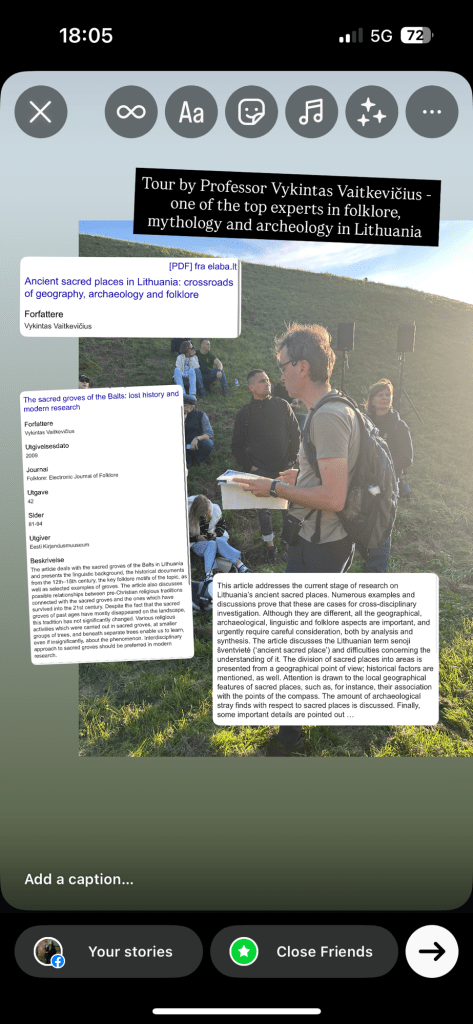
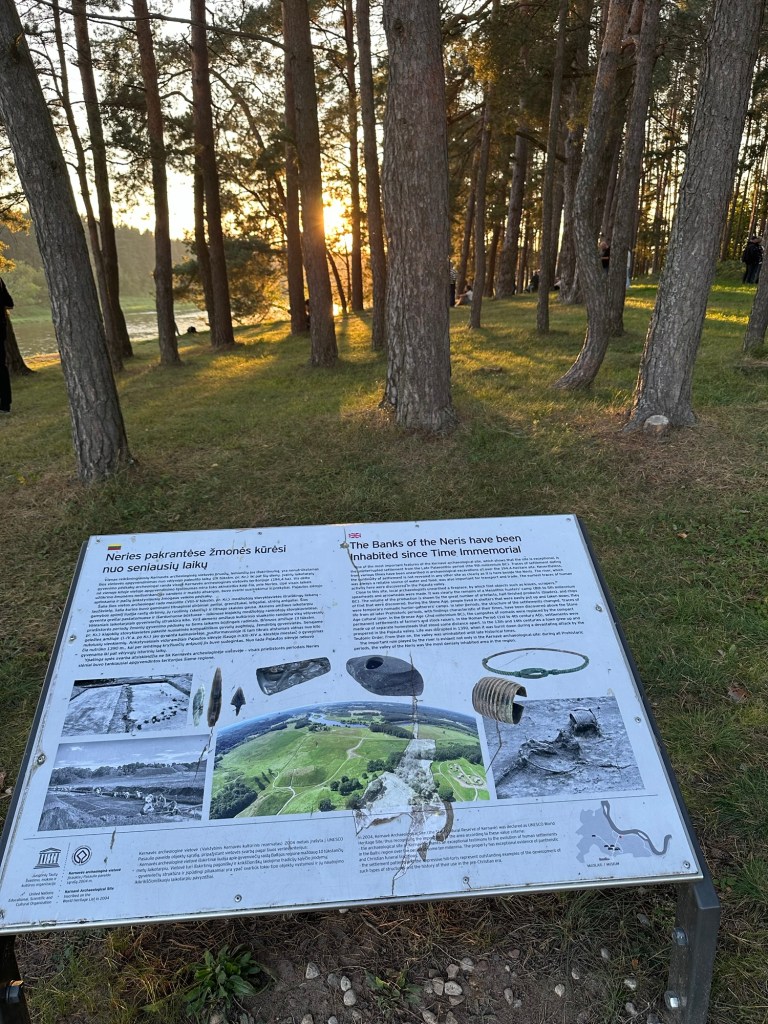
Kernavė, a 40-minute drive from Vilnius, was once a medieval capital of the Grand Duchy of Lithuania and today stands as both a tourist attraction and an archaeological site. The program was conducted in Lithuanian, which added an air of mystery. Before the festival began, we had the chance to join a tour led by Professor Vykintas Vaitkevičius, a renowned Lithuanian expert in Baltic religion, mythology, landscape archaeology, and heritage communication. He explained—in Lithuanian—that Lithuanian midsummer celebrations are not directly rooted in pre-Christian traditions; the ceremonies have always evolved, and the modern revival of midsummer festivals only began in 1967. G. later explained this to me in English. I tried following along with Google Translate but also decided to explore his English publications on sacred spaces in Lithuania, where geography, archaeology, and folklore intersect. In moments of free time, I asked him questions in English. He seemed genuinely pleased to see a foreigner interested in Baltic mythology and folklore. I explained that, coming from one of Europe’s largest cultural wastescapes, heavily eroded by the Roman Empire, Christianity, and industrialization, I had traveled to the so-called edge of Europe to discover what traces I might need to seek in my own country.





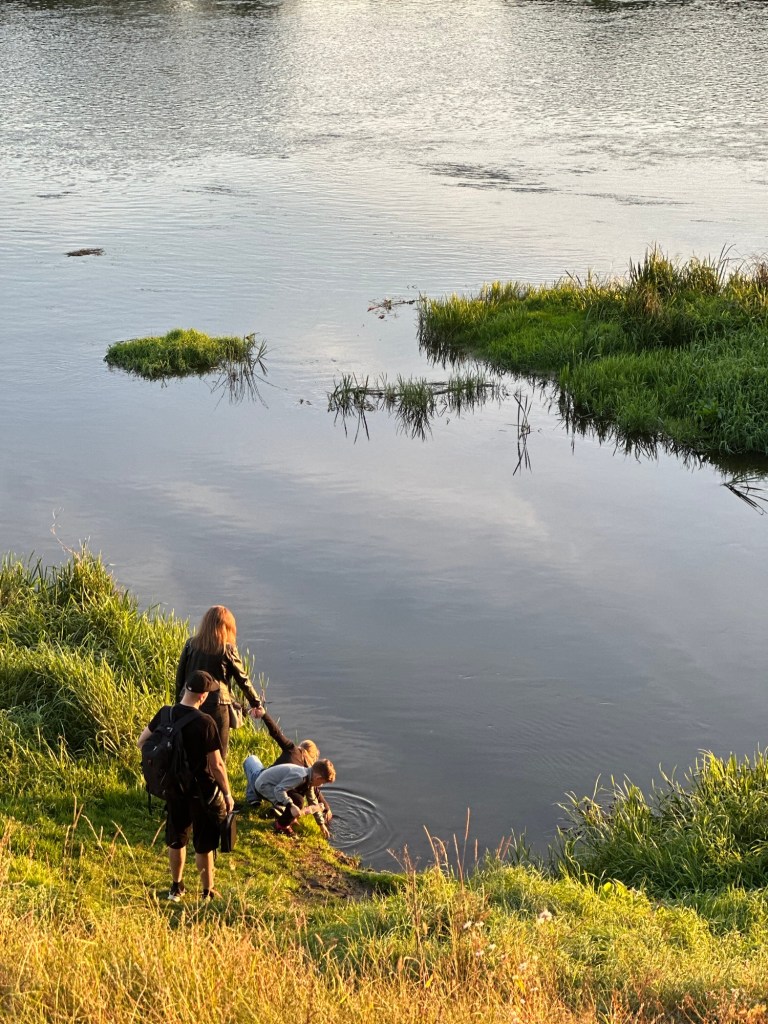
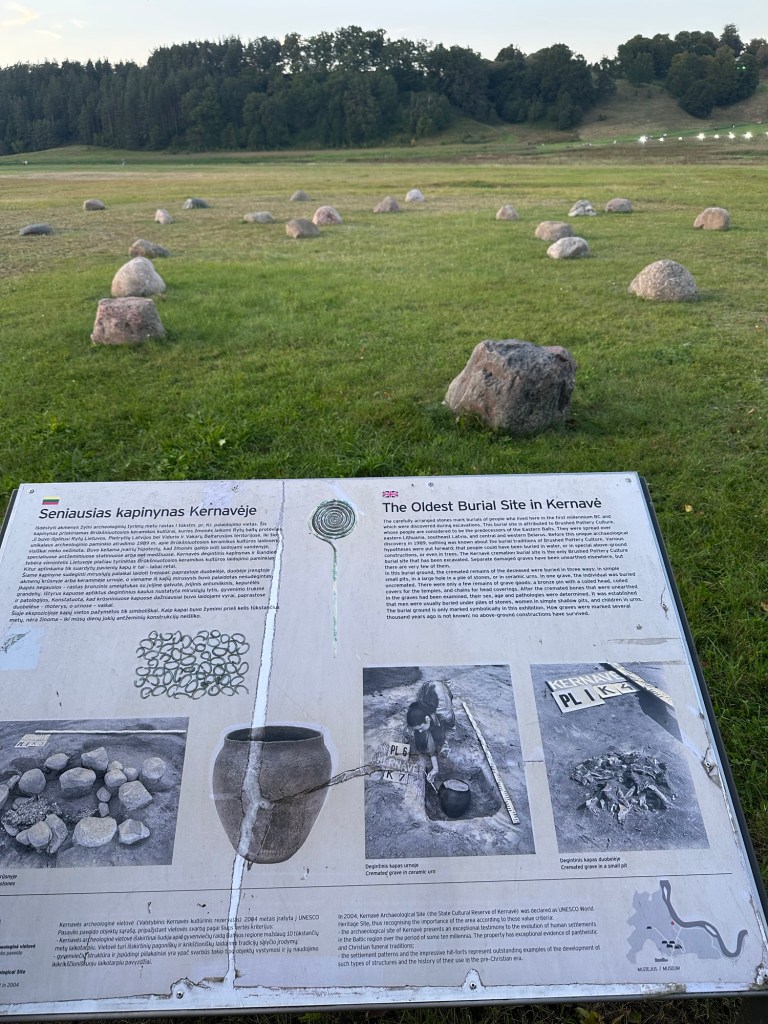
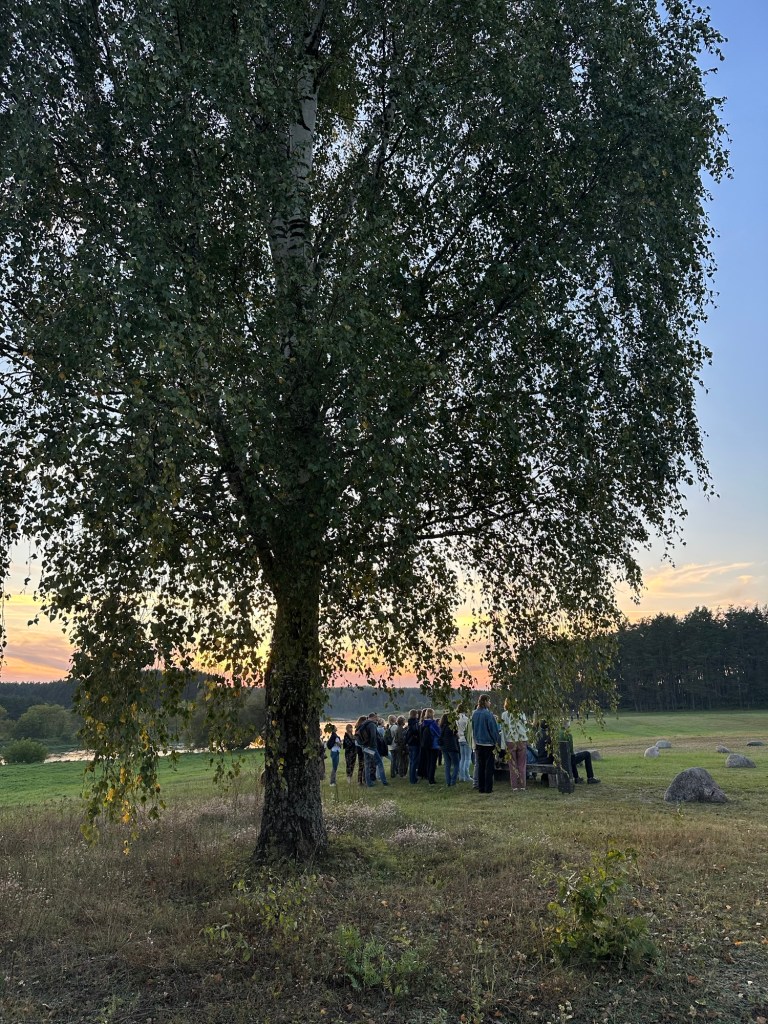
The opening of the festival -with a musical staging of the BATTLE OF THE SUN
The photographs are mostly from the educational space BIRDS’ PATH (Google translations from the Lithuanian program):
🍂 “Graduation Crowns” – ARTyn
🍂 “Equinox Cleansing Spells – Soap Making” – Sandra and Mindaugas Makutėnai
🍂 “Masks of Mythical Creatures” – Kotryna Zylė
🍂 “Beer for Gods and Men” – Artūras Masiliauskas
🍂 Interactive armor/weapons exposition “Battle of the Sun” – club “Hospitaliers’ Order”
🍂“Treasure Chest and Spells” – Loreta Lichtarovičienė
We missed – for sure- some activities in that time slot, because it was such a rich well-thought program.

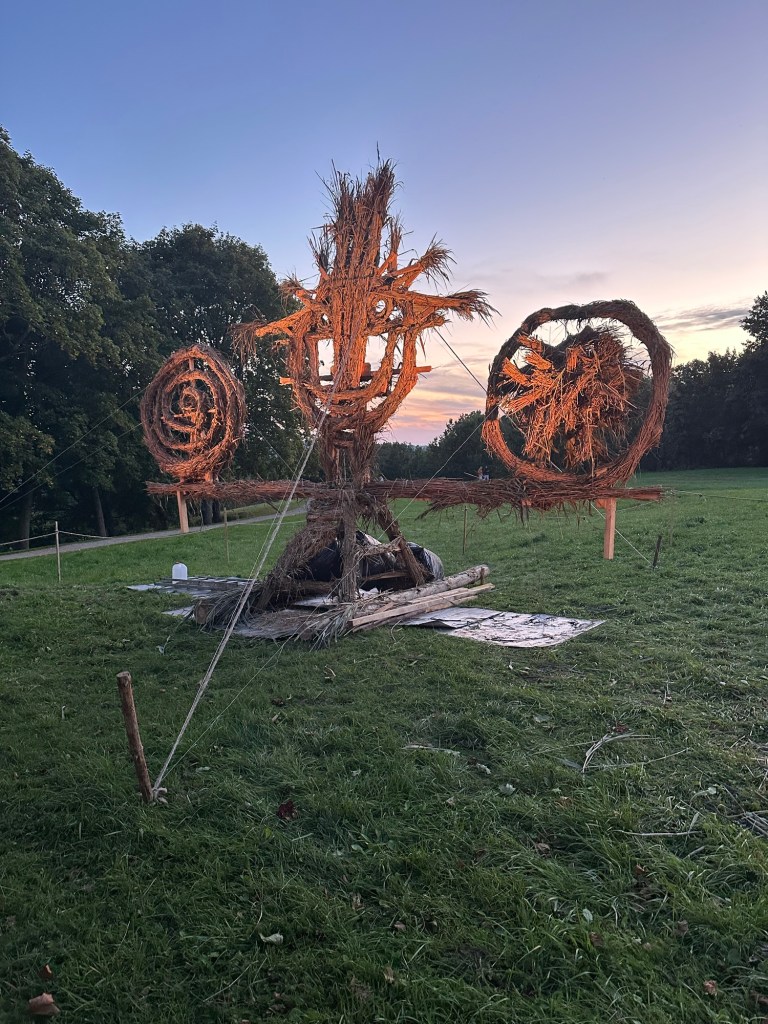


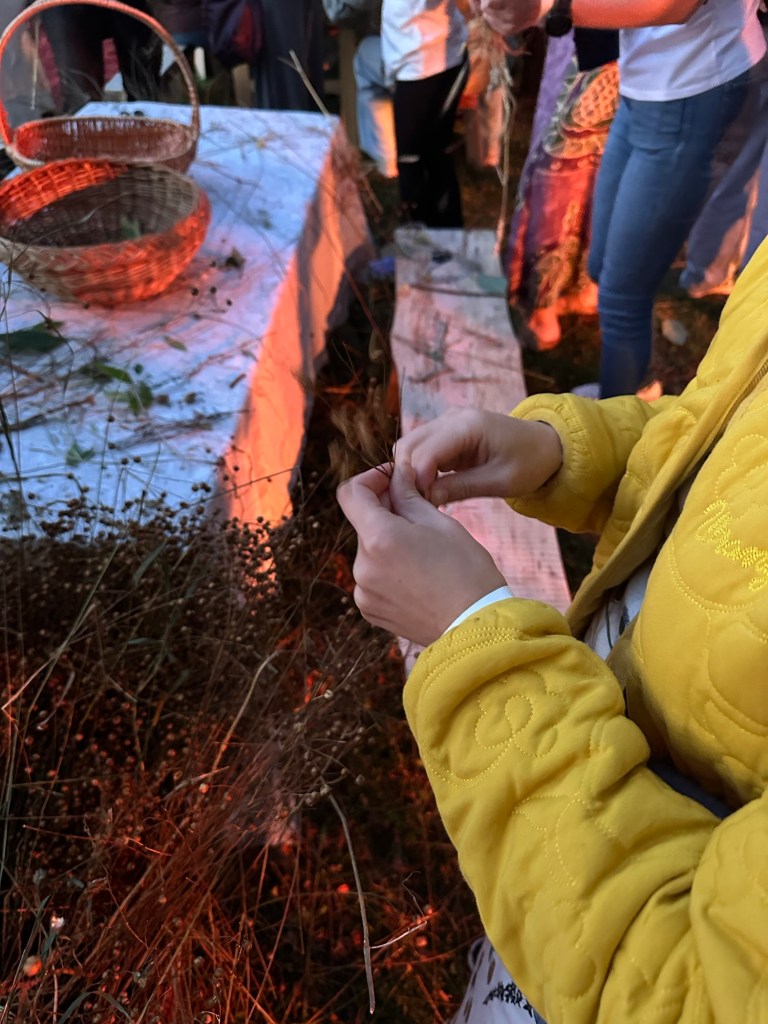


Baltic unity holiday
The Baltic Unity holiday is used as a platform to demonstrate the folk culture and the pre-Christian customs that have been fairly well preserved among the Baltic people.
The holiday recalls the Battle of Saule (Šiauliai), which took place in 1236 between the local Samogitian and Semigallian tribes and the invading Livonian Brothers of the Sword knights.
The thing is, back then these tribes were still pagan following their own beliefs and customs – something that was considered outrageous in Medieval (and very religious) Europe.
This Baltic Unity Celebration day was also the reason why they invited the Latvian group Tautumeitas. The Eurosong fans might recognize this group. I didn’t, but I enjoyed listening to them while gazing to the bonfire.
Bonfire ceremonies and an audiovisual myth
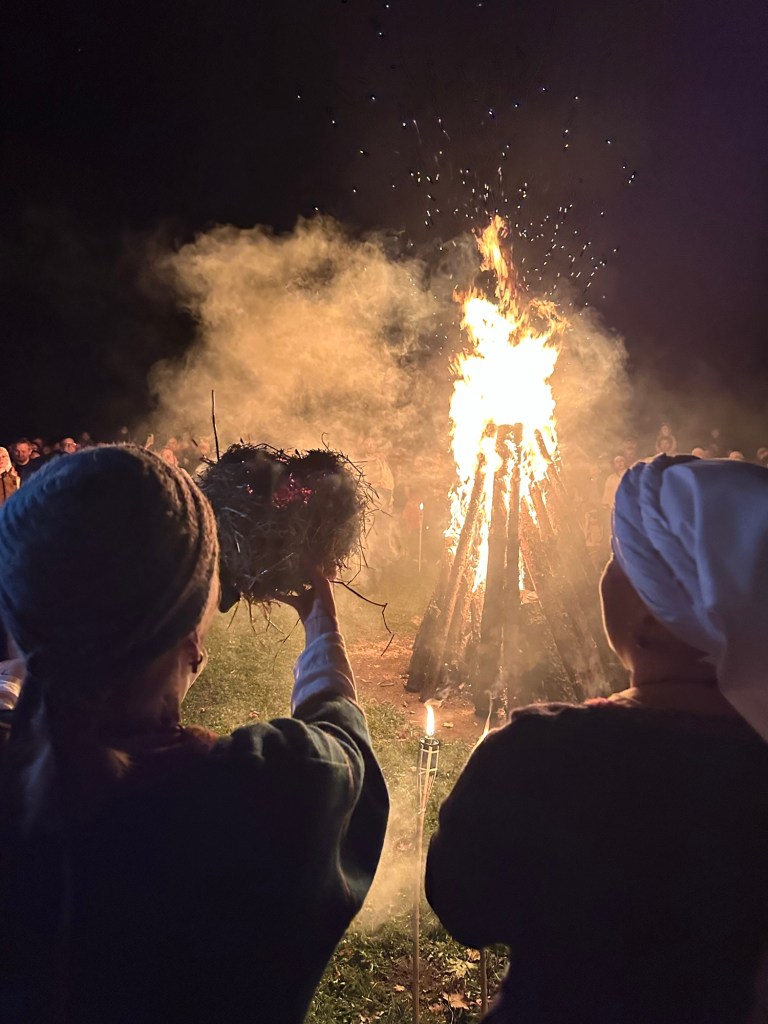
20.40 Bonfire of the Ceremony and Unity (hosted by actor Gediminas Žilys). The songs were about the sun.
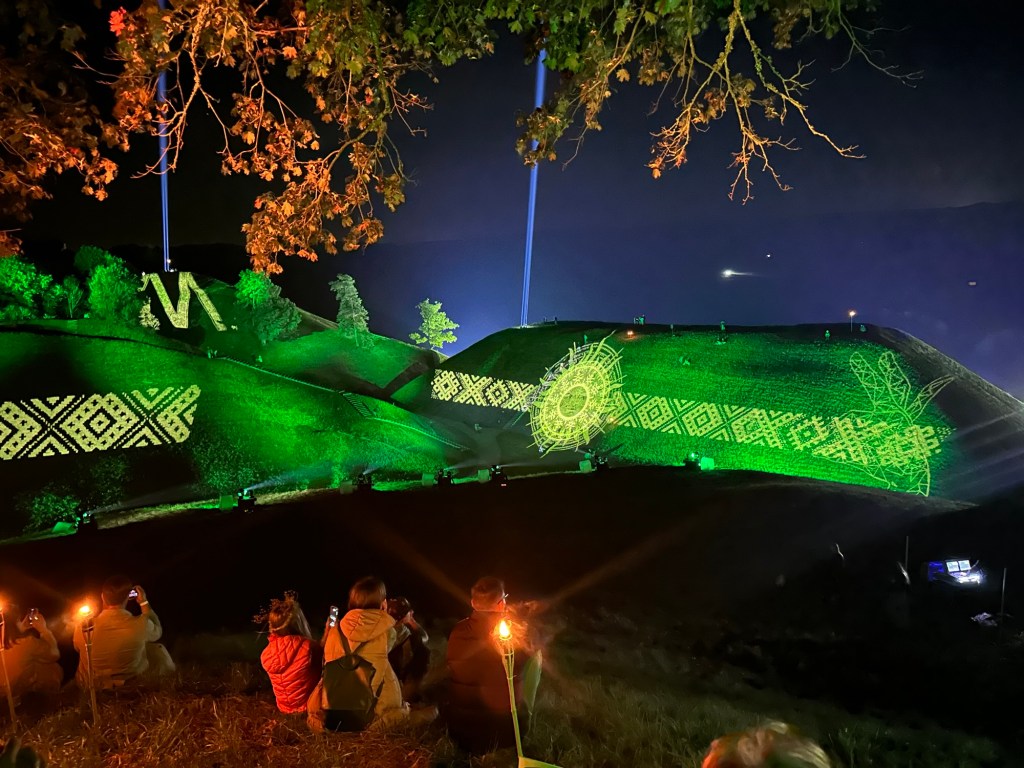
22.00 Audiovisual musical myth THE WOLVERINE RIVER (Irena Upė, Gediminas Žilys, Saulės Degutytė, “Stalo teatras”)
Apparently it is about the origin of Vilnius. I could recognize the Neris river as a character in the shadow play. It was fascinating to see what materials and movements the artists used to create the light, color and shadow effects.
22.45 Lighting of the sculpture COSMIC LIBRARIES. I borrowed a picture that I found on Instagram. For me this was the most powerful moment. The balance was very well portrayed in some sort of pull and push movement. It was mesmering to watch.
23.00 Experiential education “The Equinox – the celestial measure of our life. Autumn” (hosted by Jonas Vaiškūnas, Aukuro kalnas). I learned when you see a triangle of stars that this is the end of summer.




Lazy sunday in vilnius
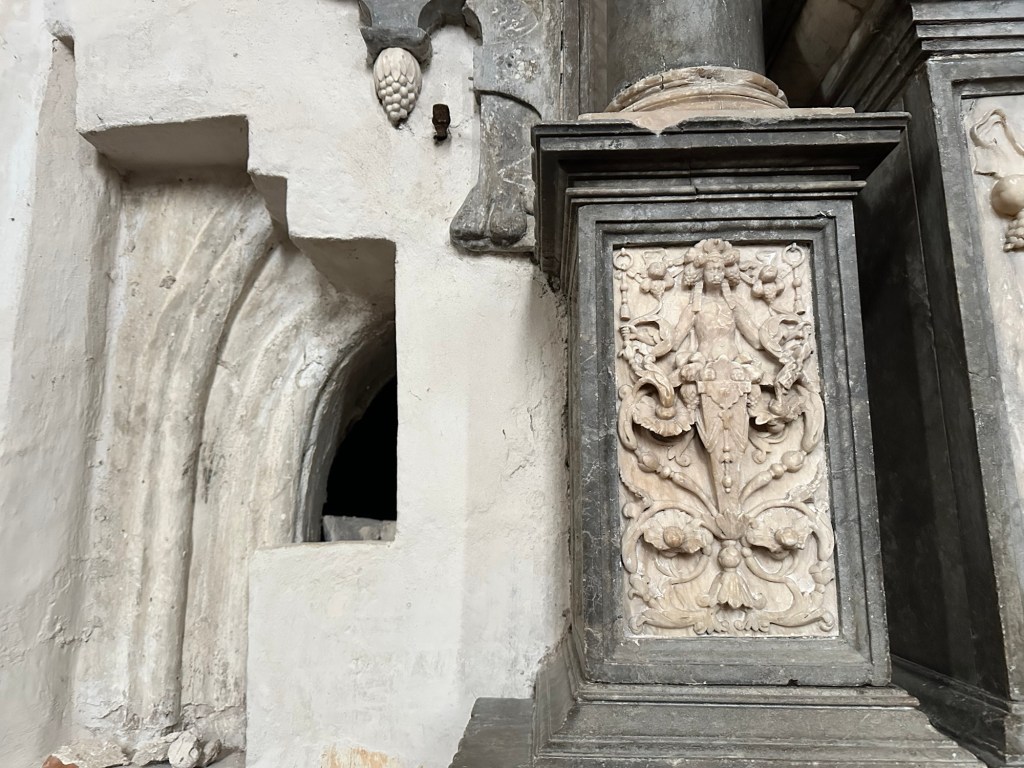
I love the city, I love the traditional food, and I love to find small details.

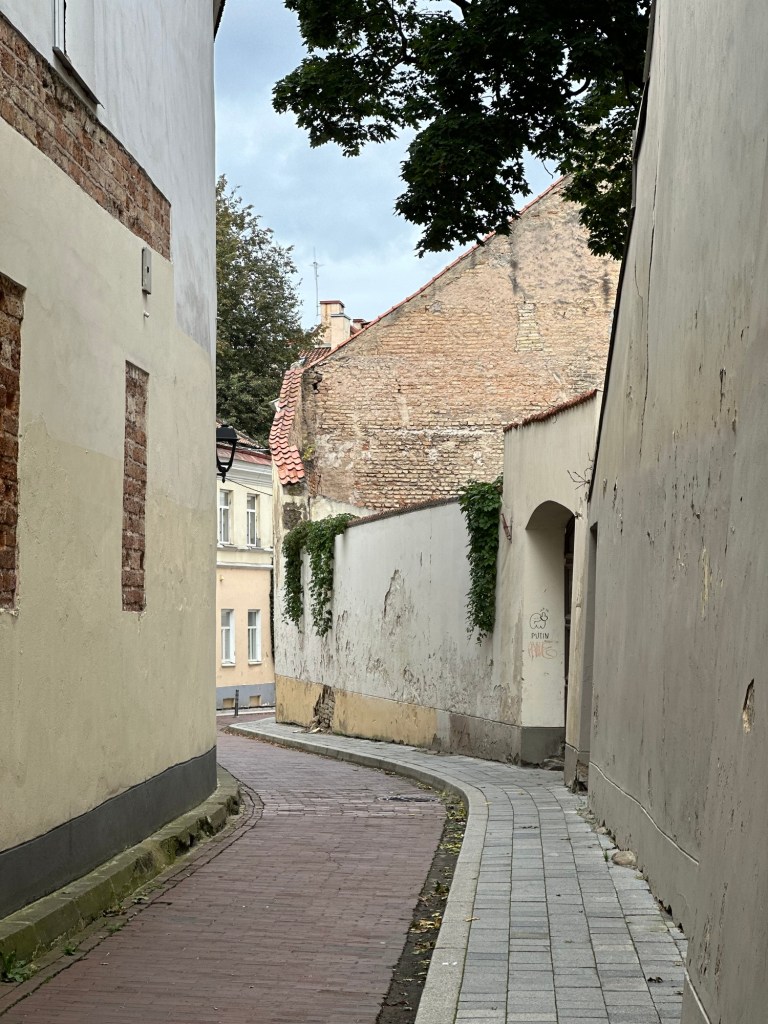
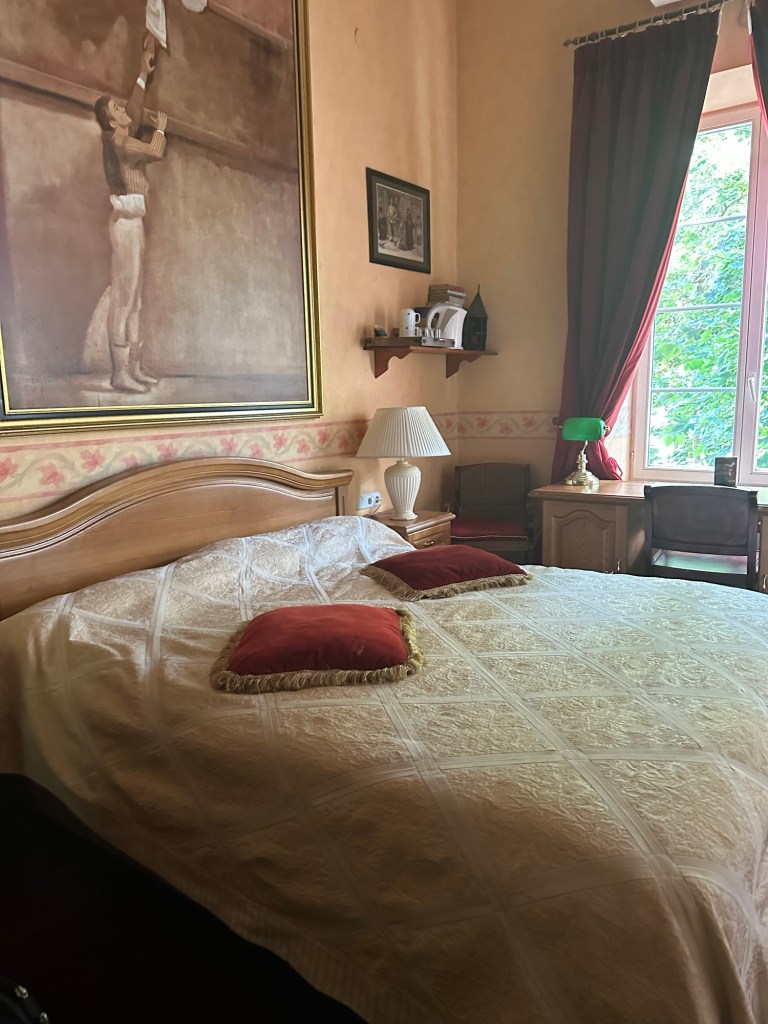

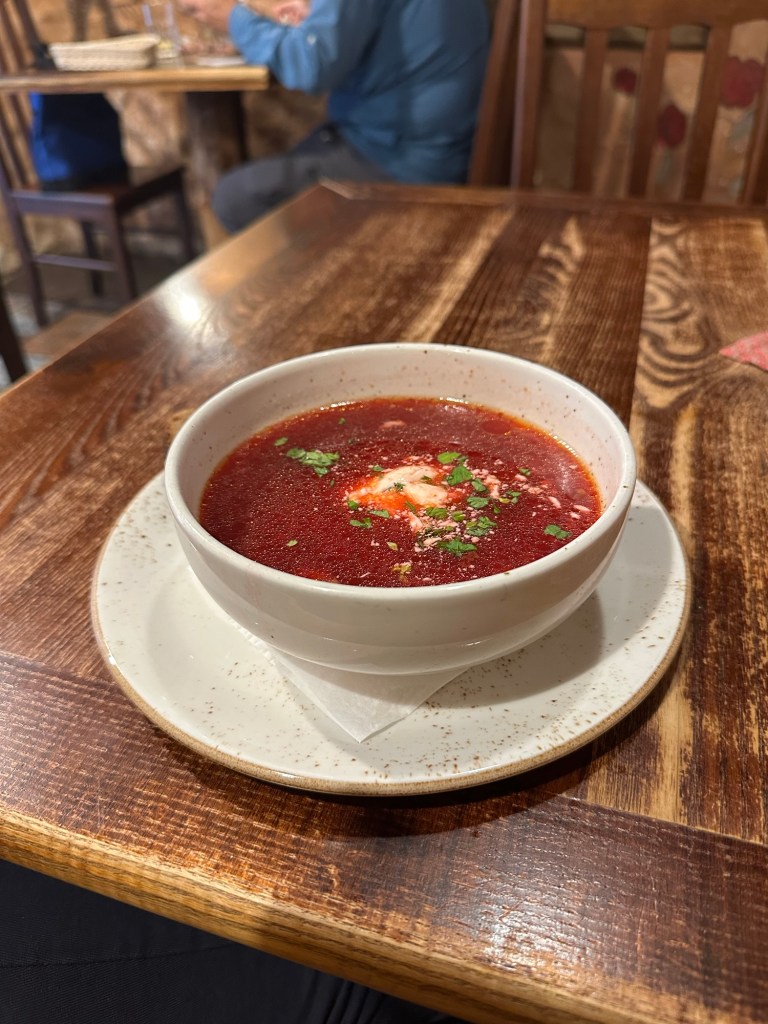
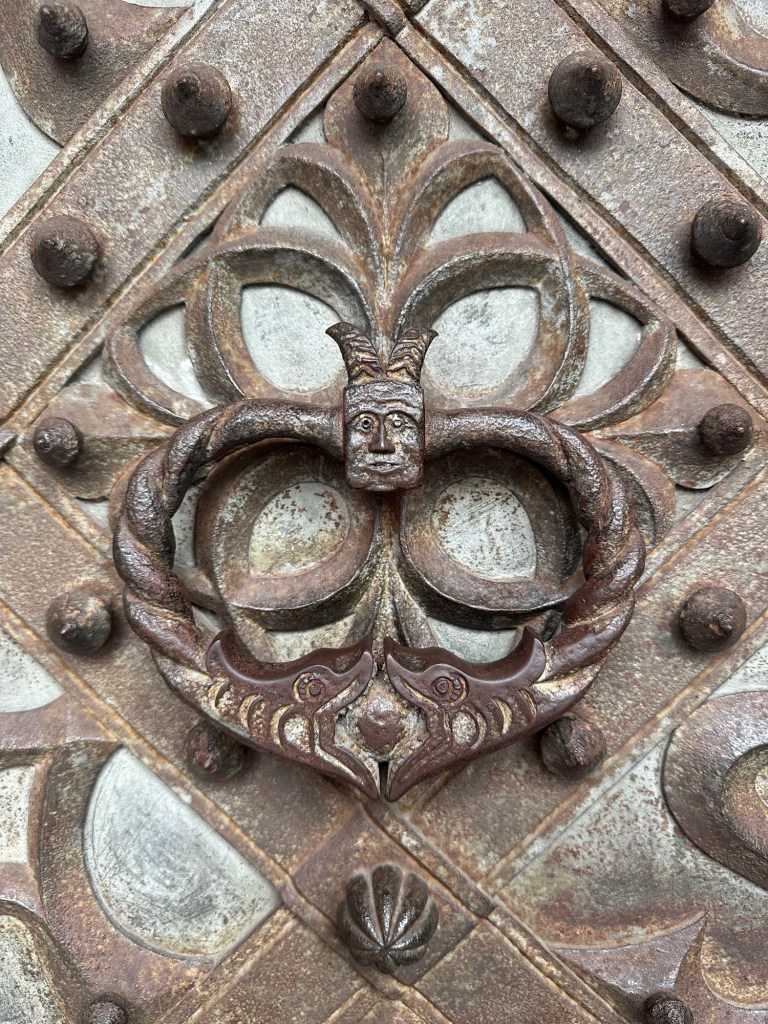




Another autumn equinox celebration, this time in vilnius
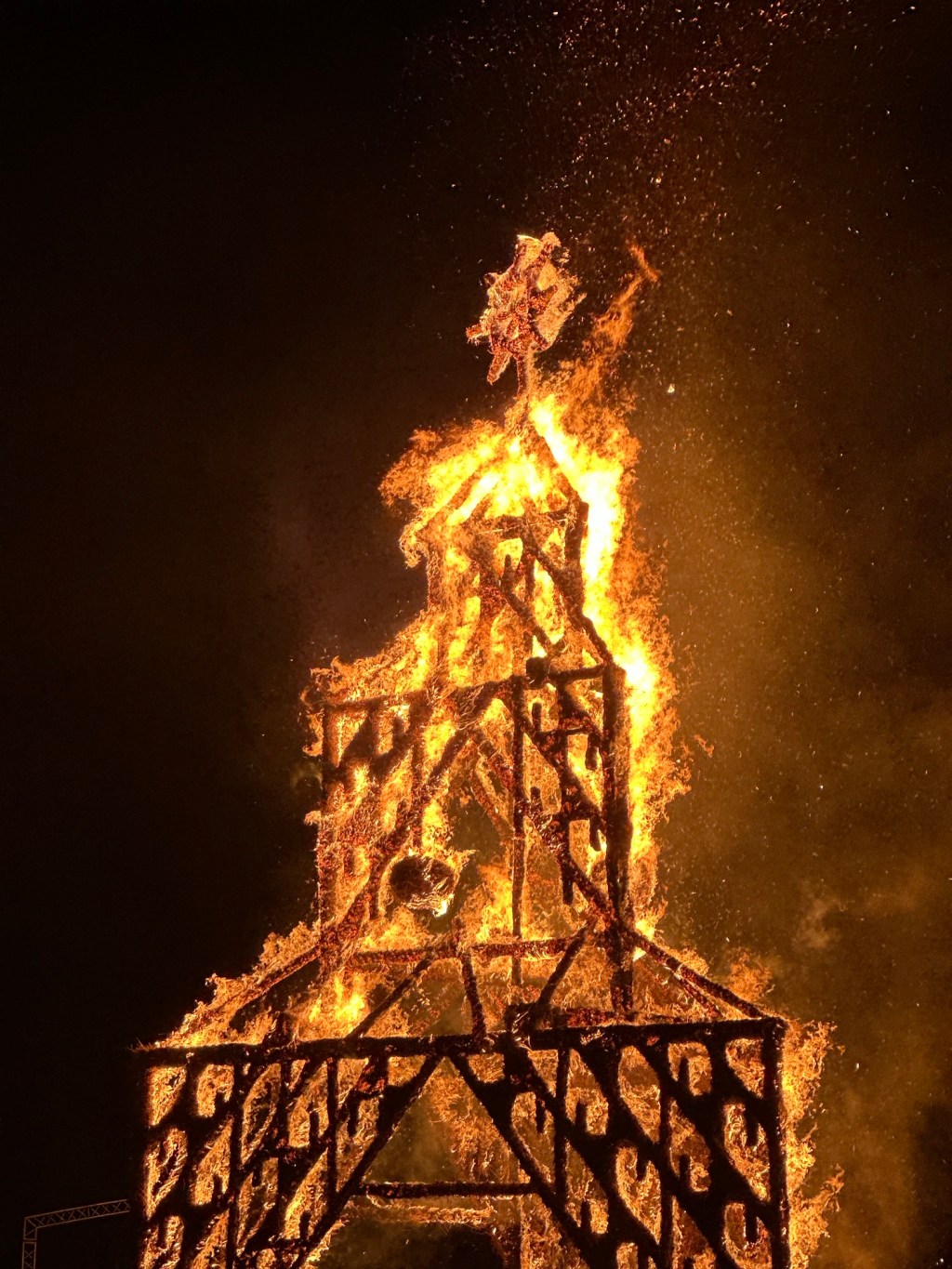
On Monday evening 22 September, I joined the locals to one of the hill tops of Vilnus. Translated from Lithuanian: “Here, fire will unite those in search of togetherness – sometimes gently glowing, sometimes warmly radiating like a home hearth, and at times sending one off from home into the unknown – to a new family or a foreign land.
The event organizers hope that this pause, woven into the rush of everyday life, will allow people to immerse themselves in the beauty of autumn and provide an opportunity to reflect on the approaching time of peace.
That is why this year’s central theme is an invitation to turn homeward – toward one’s own space of warmth and comfort.
It is both a reminder of the joy of returning to one’s hearth and enjoying the company of loved ones, and an encouragement to take home a spark of the light that will shine on Table Hill, nurture it, and carry it within oneself.
These wishes of warmth and light will be embodied in a sculpture created for this event by artists Rytas Jonas Belevičius and Rūta Ona Čigriejūtė.
It will be adorned with flames, affirming the well-wishing thoughts of the gathered community.
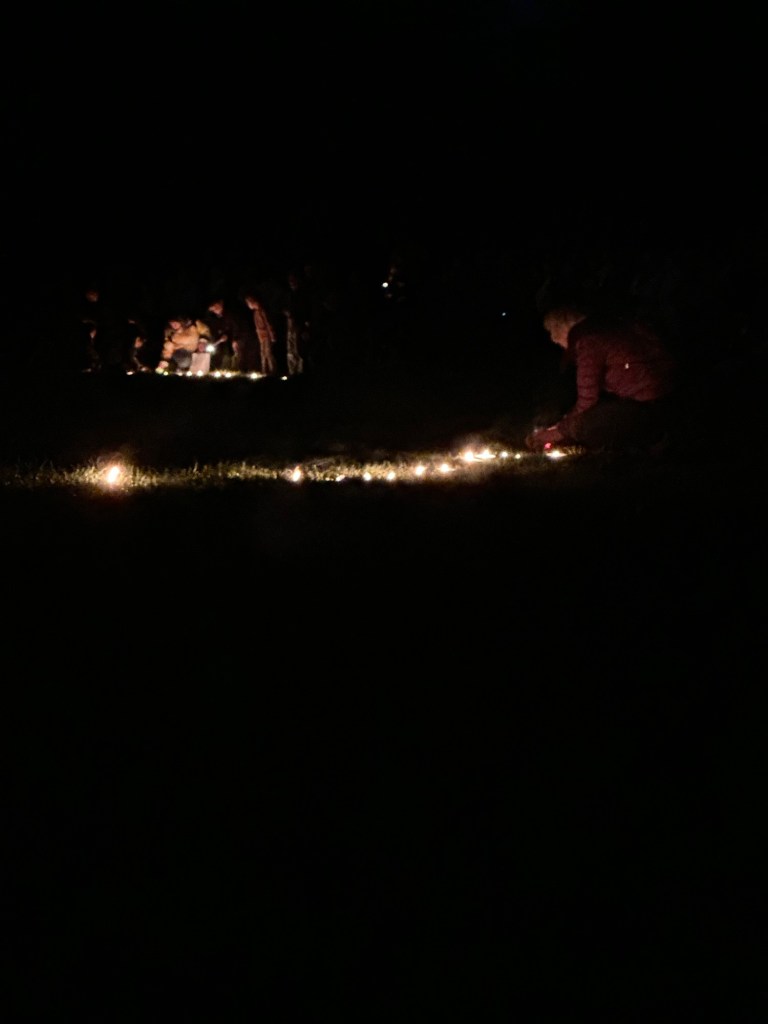
Joining this dance of fire and darkness will also be students from Vilnius city schools, arranging patterns out of candles, as well as a troupe of fire performers.”
It seemed a bit like they burned down a church, or some sort of clock tower, you know, slowing down, but that might be just my interpretation.




Celebrating the autumn equinox in Lithuania was a truly magical experience, made even more special by reflecting on how, seven years ago, I created www.woodwidewebstories.com and published my very first blog post. Now, full of gratitude and inspiration, I feel ready to welcome the winter season.
Discover more from Stories from the Wood Wide Web
Subscribe to get the latest posts sent to your email.
 Stories from the Wood Wide Web