
In May 2025, I organised a two-day workshop in Innsbruck, exploring science fiction prototyping as a method to imagine alternative futures. This workshop is part of a series of feminist SFP workshops that I organize for an European Innovation Council project called RAW, like the one in Antwerp (see Ecomythology – Facilitating collective imagination of a convivial Spring Ritual and a mythic river monster in Antwerp 2050). In this blogpost, I link speculative thinking with mythology, drawing on figures such as the architect, the object, the plant, the story, and the power of mythic imagination. The workshop focused on envisioning biofutures for the year 2050, blending creative storytelling with critical reflection. This blogpost also emerges from discussions around (re)commoning and the loss of knowledge related to working with hemp in Tyrol and the wider Alpine region. In this post, I reflect on the need for re-enchantment, which feels within reach here: Innsbruck and its surroundings still carry many traces of heritage and folktales that can inspire new narratives for the future.
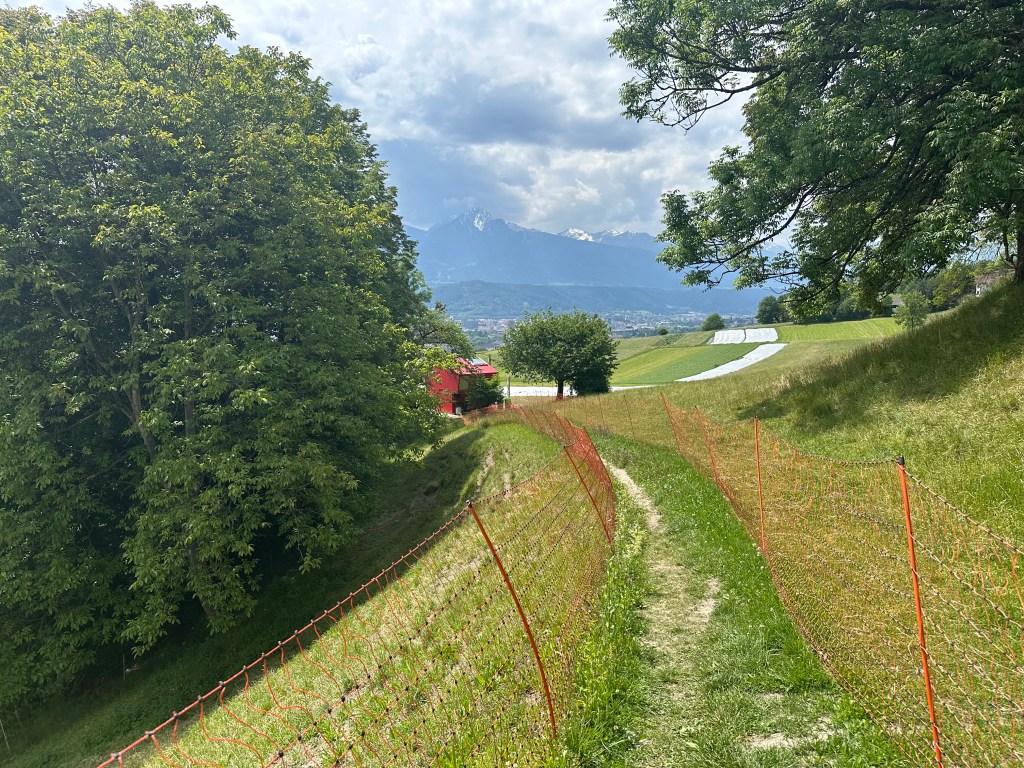
About Innsbruck, the city with alleys full of fairytale characters, giants and the krampus parade … during winter time
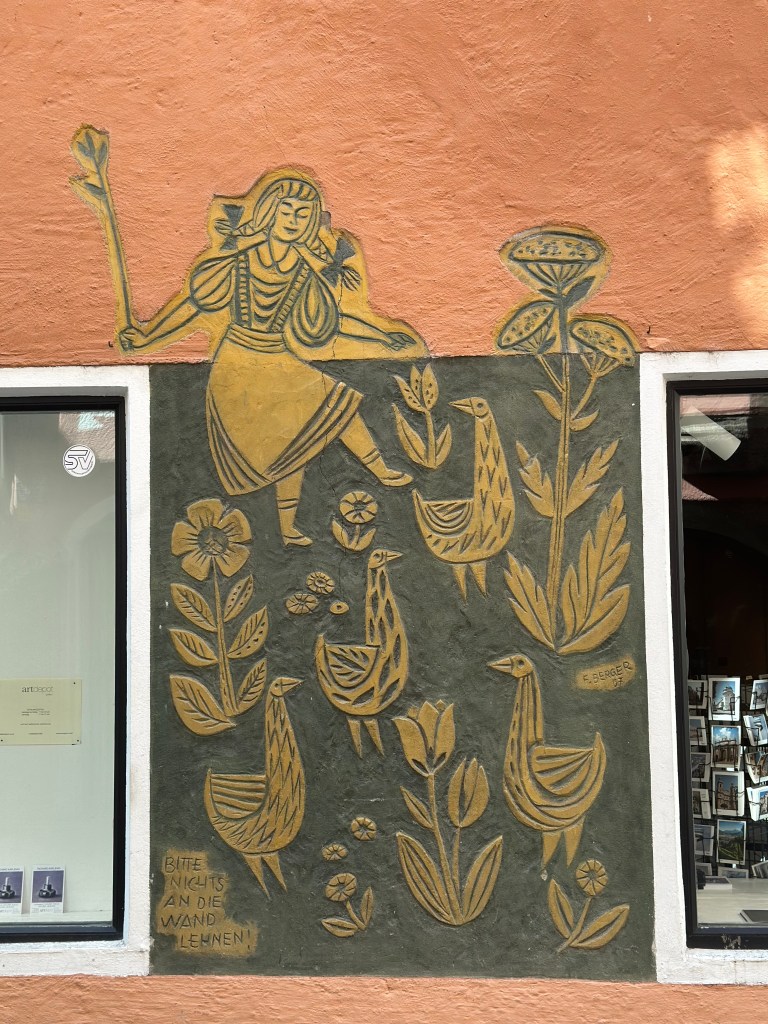
I have visited Innsbruck before, and the city always struck me as a place where folktales linger in the streets. In winter, its alleys come alive with fairytale characters, giants, and the famous Krampus parade. Some years ago, during a work visit, I encountered installations of giant figures and scenes from stories like Sleeping Beauty and Frau Holle in the Old Town. Innsbruck is known for its Märchengasse (Fairytale Alley), located on Kiebachgasse and Seilergasse, where building facades are adorned with figures from Hansel and Gretel, Rapunzel, Snow White, and other classic tales. Many of these also draw from local Tyrolean folklore, including larger-than-life giants.
In early December, you can also experience the Krampus runs and the St. Nicholas procession in Innsbruck. These events bring the streets to life with fearsome, fur-clad creatures wearing hand-carved wooden masks. The Krampus rattle their chains and bells, letting out spine-chilling cries as they move through the crowds.
Somewhere on Instagram, I may still have a selfie with a Krampus. Normally, the Krampus is the one chasing people—but during my last encounter, I was so excited to see him (having lived in Graz, Austria, years earlier, where I first became familiar with the tradition) that I ended up running after him. Perhaps I was the scarier one that night.
This time, in May, the fairytale installations were not present—but I still found other stories and traces scattered through the city. Innsbruck’s layered heritage and folktales continue to offer inspiration, making it an ideal backdrop for thinking about futures that need both innovation and re-enchantment.
stakeholder workshop about the challenges and dreams for the wider uptake of hemp
I stayed in Innsbruck for a full week. My visit began with facilitating a stakeholder workshop focused on the challenges and opportunities for expanding the use of hemp, particularly in architectural applications and in combination with digital technologies such as CNC knitting and fiber winding. Alongside this, I am also working on several conference papers and journal articles related to these topics.
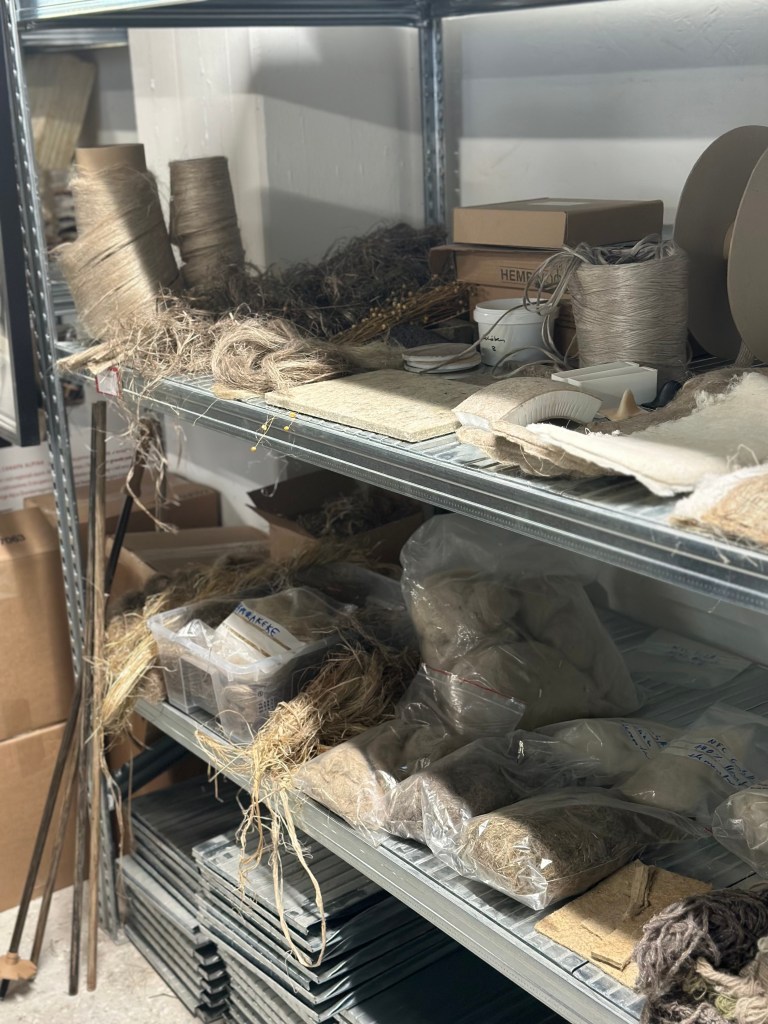

During the workshop, I learned about Fibershed DACH, the regional branch of the global Fibershed network. This community connects farmers, ranchers, land managers, designers, ecologists, sewers, knitters, felters, natural dyers, spinners, and mill operators who have defined a strategic geography to create and collaborate within. Fibershed initiatives now exist across the globe, each organizing around the aesthetic, ecological, and economic realities of its place.
Their vision is to build flourishing ecosystems using regional materials and to establish platforms that connect farms, producers, mills, artisans, designers, brands, and the public. They aim to enable the creation of circular products that regenerate soil health, raise awareness through workshops, and showcase the diverse products made by Fibershed partners—ultimately reviving local production and craftsmanship.
I was particularly struck by their commitment to (re)commoning knowledge around the processes of materials such as hemp. I fully support this approach, yet—as an academic—I remain conscious of its potential vulnerabilities and the importance of avoiding romanticization. As Silvia Federici, a scholar known for her work on the history of the commons and feminist movements, reminds us, not all commons were equitable: in many historical decisions regarding shared resources, women were still excluded. This raises questions about how we might envision a new kind of commons, one that fully includes both women and nature.
I do not claim to have the answers, but this blogpost is one of the manifestations of my desire to explore these questions further. I believe the mission of Fibershed and similar initiatives is crucial for imagining and building more just, regenerative futures.
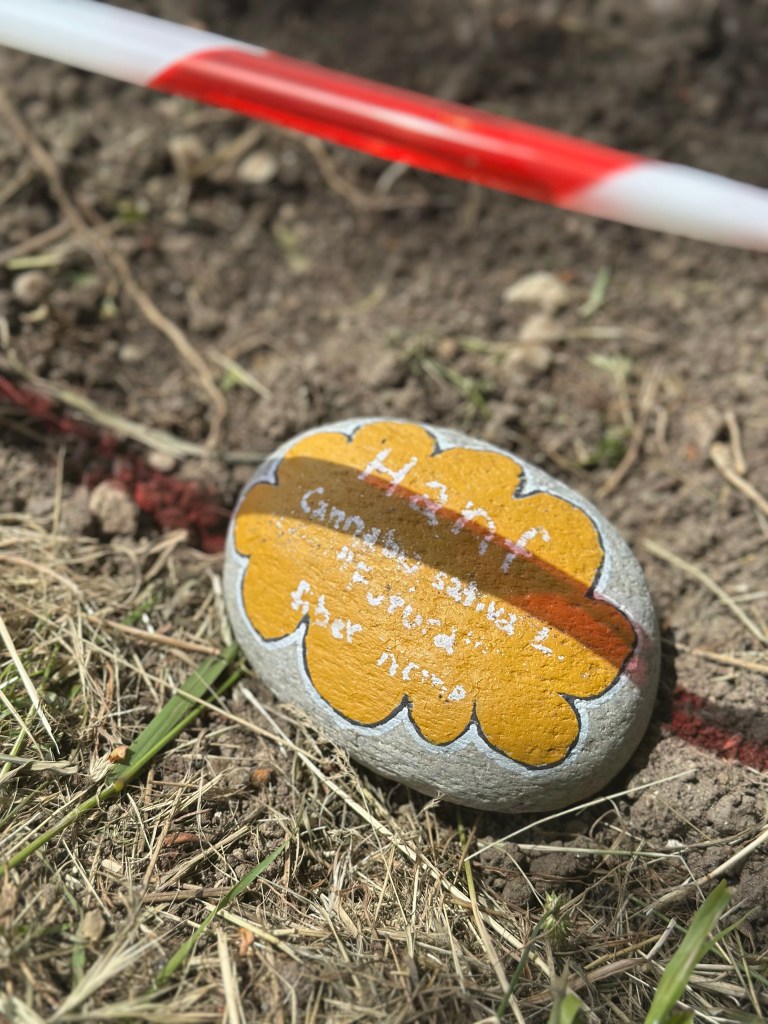
What is (RE)commoning?
(Re)commoning refers to the process of reclaiming, recreating, and sustaining commons—resources, spaces, and practices that are collectively owned or shared rather than privatized. Historically, commons (such as communal lands, forests, and water sources) were enclosed and appropriated through capitalist expansion, leading to the loss of collective stewardship. (Re)commoning is thus about reviving communal practices in ways that are relevant today, ensuring access, care, and shared governance.
How does this relate to Re-enchantment?
Re-enchantment here is not about a nostalgic return to a mythical past but about imagining and creating futures infused with meaning, connection, and care. Federici (and others) suggest that capitalist modernity has disenchanted the world by reducing relationships—between people, and between humans and nature—to market transactions.
- Enchantment originally meant to fall under a magical, transformative spell, linked to the sacred and sublime.
- By the 20th century, the term became trivialized, associated mainly with fashion or superficial allure.
- Federici reclaims enchantment as a political and cultural force for the future: a way to restore the sense that our lives, environments, and relationships are meaningful, interconnected, and worth protecting.
(Re)commoning and re-enchantment intersect because creating commons is not only about sharing material resources but also about reproducing collective memory, cultural symbols, and practices that nurture life and resistance. This aligns with Federici’s call for a politics that integrates care work (cleaning, cooking, childrearing, etc.) and cultural reproduction into the center of social transformation, rather than treating them as peripheral.
Federici’s book Re-enchanting the World: Feminism and the Politics of the Commons (2018) argues that commons and re-enchantment must be linked to a feminist politics that refuses to separate political struggle from reproductive labor.
The quote from Peter Linebaugh (2017) in the foreword of this book critiques neoliberal feminism, which embraces market logics (“ceilings” and “ladders”) instead of communal, egalitarian structures (“the hearth” and “the roundtable”). This metaphor reinforces the idea that a politics of commons—and re-enchantment—requires re-centering care, connection, and collective life.

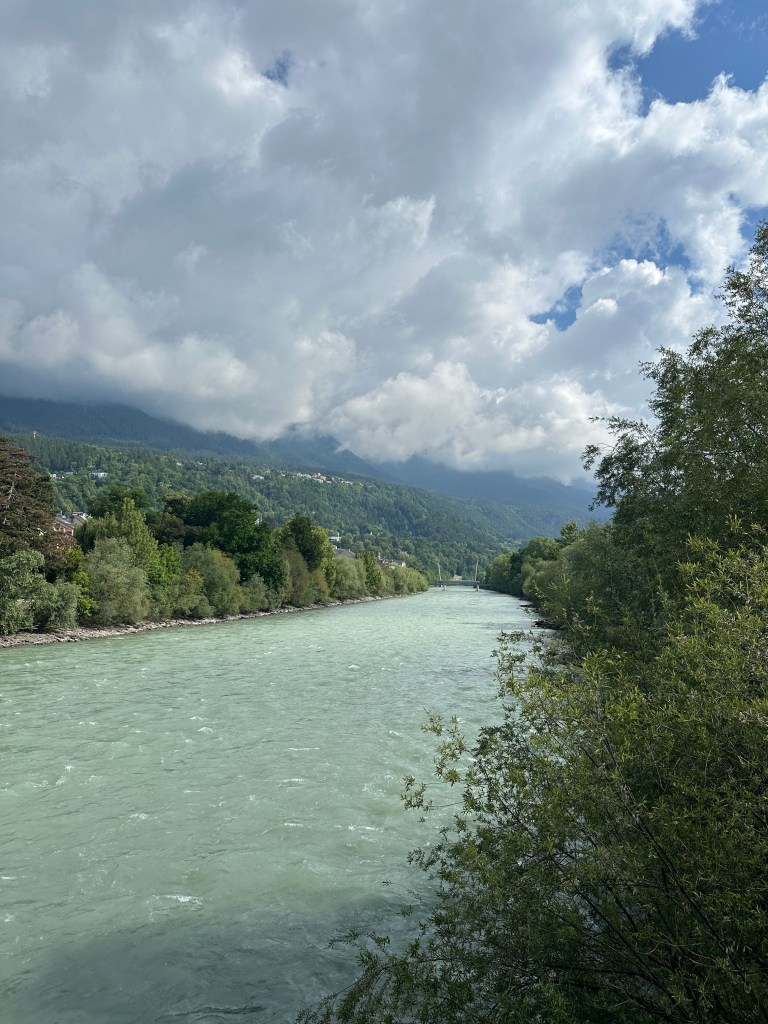
The Witch Kitchen in Innsbruck – Reclaiming Old Knowledge from Witches and Commons
Talking about Silvia Federici inevitably takes me back to when I first encountered her work many years ago. While visiting a farmers’ market in Kathmandu, I came across a woman-led social enterprise. A few days later, I stayed with them on a permaculture farm, where I was introduced to ecofeminism and to Federici’s book Caliban and the Witch.
This groundbreaking book argues that the witch hunts of early modern Europe were not isolated outbursts of superstition but were deeply connected to the rise of capitalism. Federici shows how women’s labor was expropriated and devalued during this transition, and how the witch hunts served to restructure family relations and suppress women’s autonomy—especially in matters of reproduction and knowledge.
By coincidence, during my stay in Innsbruck, I discovered a small corner by the Inn river called the Witch Kitchen (Hexenkuchl). This name immediately resonated with Federici’s work. Historically, the first witch trial in Austria took place in Innsbruck in 1485, initiated by the inquisitor Heinrich Kramer with the support of Pope Innocent VIII. Under the auspices of Bishop George of Brixen and Archduke Sigmund “der Münzreiche” (literally “rich in coins”), months of terrorizing investigations led to more than fifty people being labeled “suspicious,” nearly all of them women. Seven women were ultimately charged with witchcraft and imprisoned.
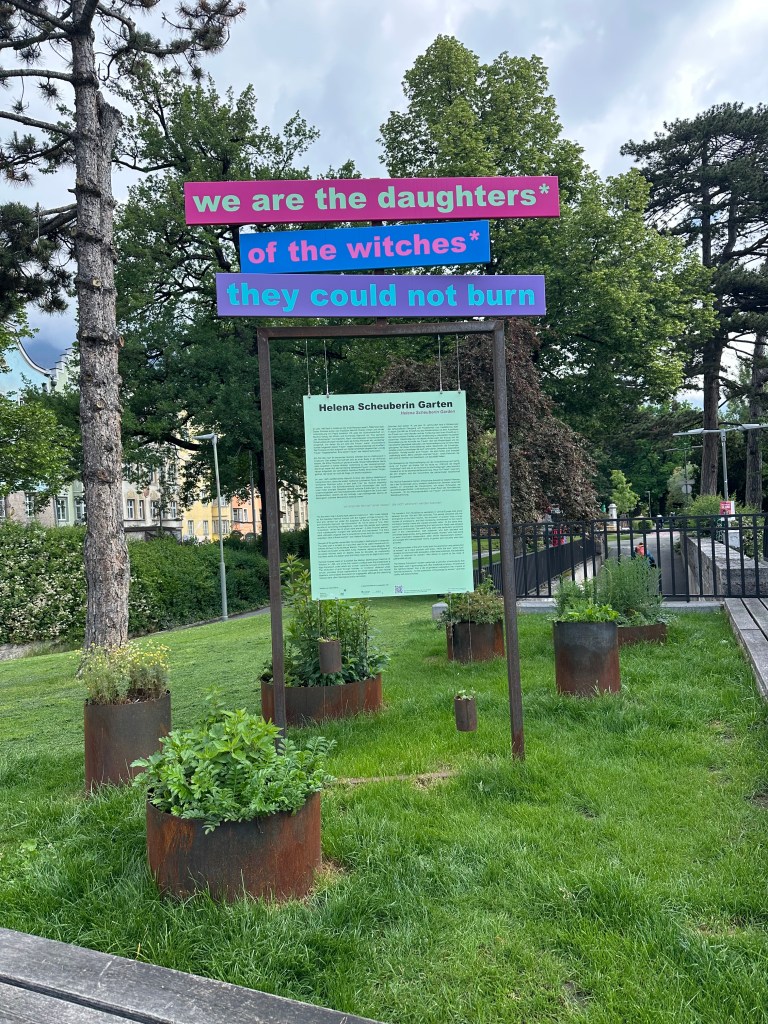
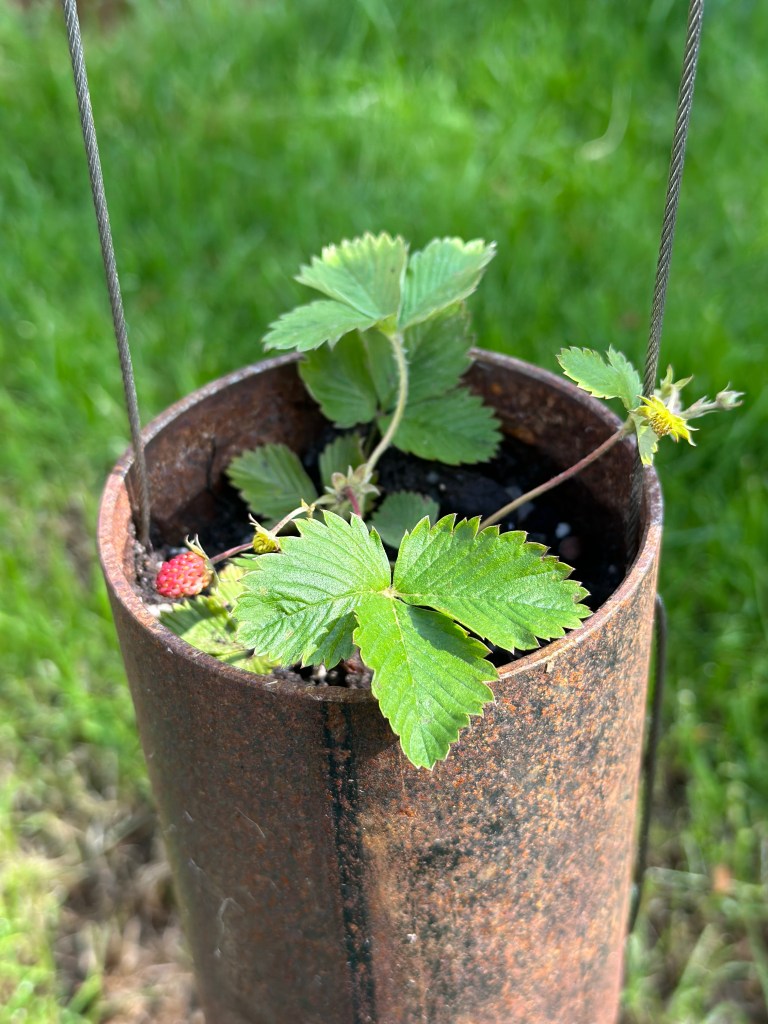
These trials were eventually halted due to procedural errors, and the women were acquitted. Among them was Helena Scheuberin, a figure whose resistance became legendary. Today, two gardens in Innsbruck honor her name: one in Waltherpark and the other in Mühlauer Klamm. Read more here.
While the folkloric name of the Witch Kitchen allegedly has no direct link to the witch hunts, for decades stereotypical “witch” figures were displayed there as harmless relics of a distant past. Yet these figures also mask a brutal history: between the late 15th and 18th centuries, as central Europe transitioned from feudalism to capitalism, women were systematically excluded from professions, confined to unpaid domestic labor, and stripped of control over reproductive health. Midwives, independent women, and those who transgressed gender and sexual norms were frequent targets of persecution.
Heinrich Kramer would later publish the Malleus Maleficarum (Hammer of Witches) in 1495, a juridical text that legalized accusations based on hearsay and torture. It provided convenient scapegoats for social inequality and disasters, while serving ideological and economic interests. To this day, the term “witch-hunt” remains, but the connection to women’s systemic oppression is often overlooked.
At the site of the Witch Kitchen, I was struck by an inscription in bold letters:
“We are the daughters of the witches they could not burn.”
I lingered there for a while, staying close to the plants—recognizing the powerful raspberry plant among others—before catching my bus. The Helena Scheuberin Garden features a selection of local plants traditionally used in gynecology and other medicinal practices. It reclaims the “witches’ kitchen” from a site of gendered persecution and transforms it into a space of feminist autonomy—a place where women’s knowledge, once criminalized, is again cultivated and celebrated.
This transformation echoes Federici’s vision: reclaiming the commons, revaluing reproductive and healing labor, and re-enchanting our relationship with the natural world. Through spaces like this, old knowledge returns—not as nostalgia, but as a seed for futures rooted in care, resistance, and collective power.
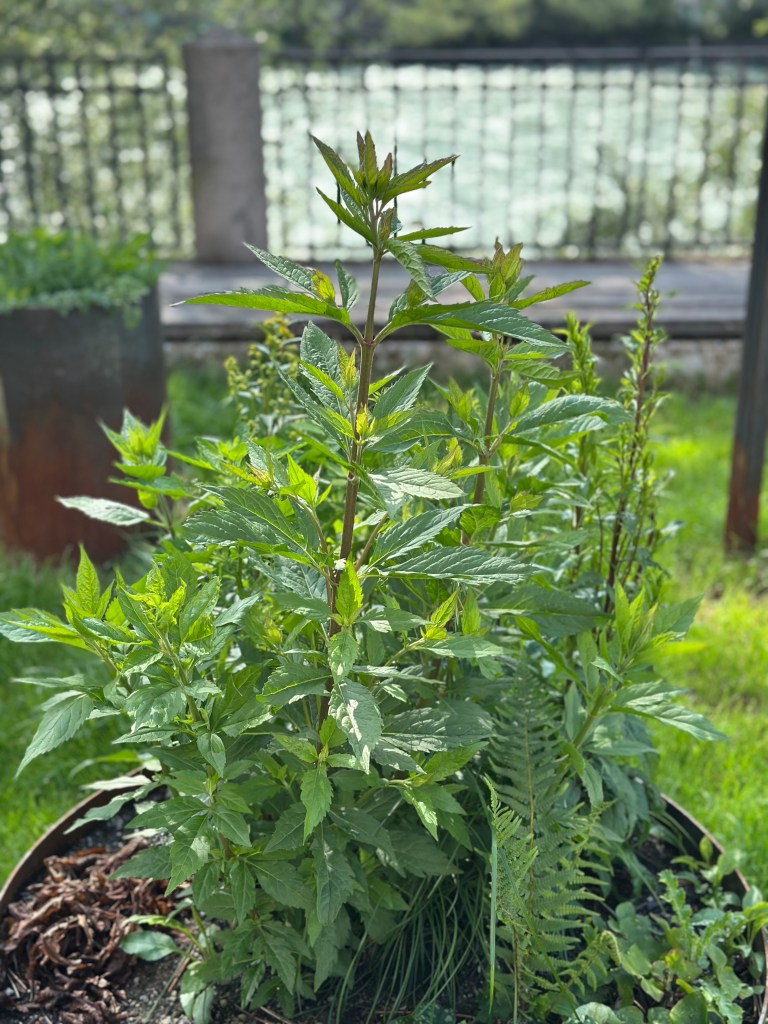
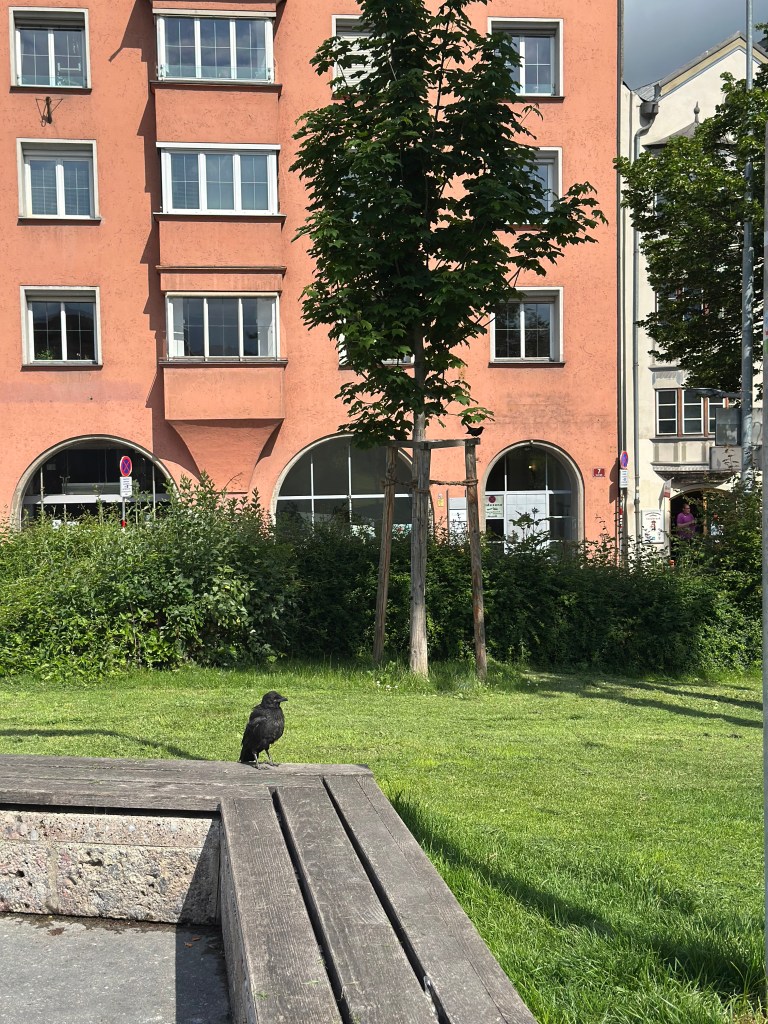
The renaissance of hemp in the alpine region
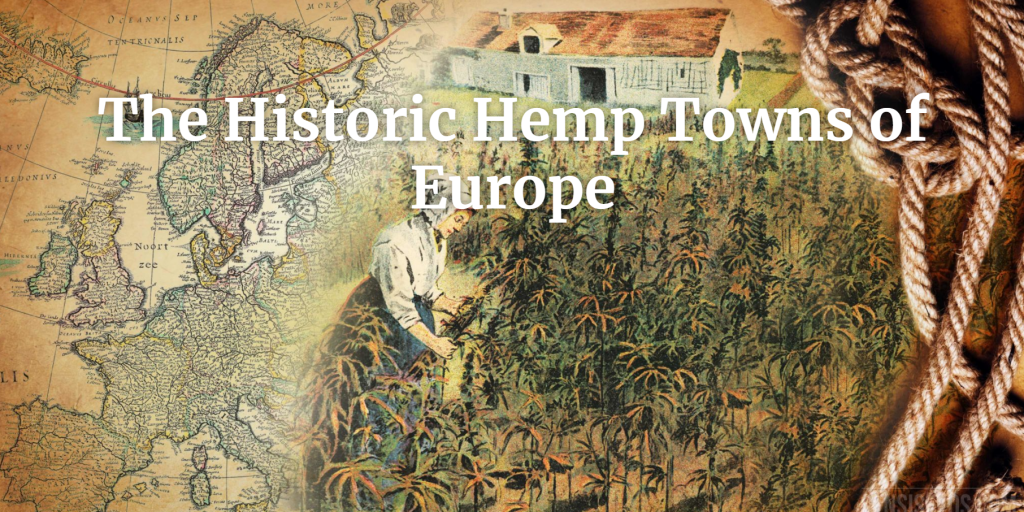
One of the key insights I gained during the workshop—and throughout the months of preparation leading up to it—is how uneven the knowledge and practices around hemp have developed across Europe. In Belgium and France, hemp textiles never fully disappeared. The traditions, infrastructure, and expertise persisted there, creating strong networks and stakeholders who continue to innovate today.
In contrast, in the Germanic and Alpine regions, much of this knowledge was lost. Local actors here often have to look to France, Belgium, East Germany, and beyond for guidance—or else reinvent processes and machines almost from scratch. This gap makes me wonder: did some form of witch hunt, disenchantment, or deliberate erasure contribute to this rupture in the Alpine region’s relationship with hemp? Could the suppression of women’s knowledge, the persecution of herbalists and healers, and the stigmatization of certain plants be threads of the same historical fabric?
Even today, hemp remains surrounded by taboos. Strict European regulations require careful measurement of psychoactive substances, shaping how and when the plant can be harvested. One hemp farmer told me that, for better quality, the plant should ideally be harvested earlier—but because of regulations, they must wait until the first flower appears in order to conduct the necessary tests.
These layers of regulation, taboo, and lost knowledge stand in stark contrast to the renewed interest in hemp as a sustainable material for architecture, textiles, and other applications. The renaissance of hemp in the Alpine region thus carries both technical and cultural challenges. It is not just about machinery or markets—it is also about recovering stories, practices, and relationships that have been severed, and perhaps, as with the commons, about re-enchanting our connection to this powerful plant.
geography and bioregionalism: Choosing Boundaries in Creating Biofutures
In thinking about the creation of biofuture(s), one critical question is: how do we define boundaries? Boundaries shape the way we organize research, design interventions, and imagine futures.
I personally prefer to think beyond administrative borders—cities, regions, or nations—and instead consider bioregions: areas defined by ecological, cultural, and geological coherence rather than by political lines. Bioregionalism allows us to understand how landscapes, ecosystems, and human communities interact, and how they might co-evolve toward more regenerative futures.
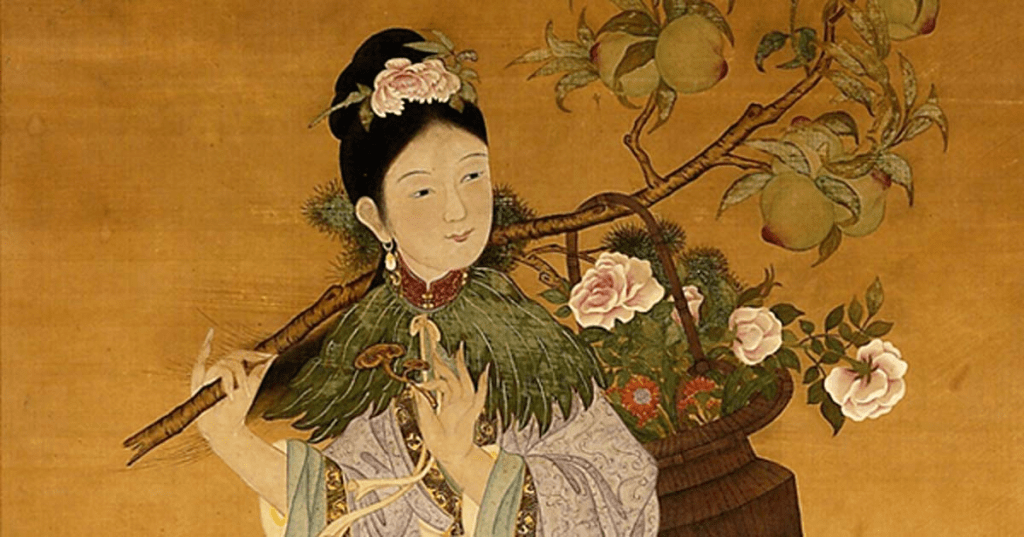
During the workshop and related discussions, the choice of boundaries became crucial. Facilities in Ukraine, for example, open possibilities for innovation but also raise complex questions about geopolitics and stability. Similarly, there are worries about China, particularly regarding control of technologies, market dependencies, and global supply chains. However, I also learned about Magu, The Hemp Healer of Women in Taoist Mythology, and have the urge to involve China in the story.
My role in this context is twofold:
- to help anticipate the potential impacts of emerging bio-based technologies and practices,
- but also to define boundaries—conceptual, ethical, and geographical—that guide responsible development.
Choosing bioregional rather than administrative boundaries feels like an essential step in this process. It shifts the focus away from abstract lines on a map and toward living systems that can sustain the futures we wish to create.
Foregrounding the plant again: Hemp
n imagining biofutures, I keep returning to the plant—specifically hemp. Not as an inert object or raw material, but as an entangled being, woven into relationships with people, uncanny presences, places, magic, and machines. Hemp carries stories—of taboo, suppression, survival, and renewal—that extend far beyond its fibers.
This makes me think of writing (with) plants: listening to what the plant teaches, acknowledging its agency, and allowing it to shape narratives and futures alongside us. Hemp is not only cultivated—it cultivates connections between tradition and technology, between healing and industry, between past disenchantments and future possibilities.
During the science fiction prototyping workshop, the taboo surrounding hemp surfaced repeatedly in our notes and discussions. Regulations, stigma, and historical erasures continue to cast long shadows. Yet these shadows also open space for reimagining: what if the hemp plant itself were a character, an agent, in our speculative stories?
For me, the prompts and characters in such workshops must always adapt to the local context—and here, the hemp plant insists on being part of the narrative. It is not just background; it is a co-creator.
To be continued…
The Magic in Haptic Data: Sensing Through Hands and Machines
There is magic in the data we sense—whether through the hands of artisans or the sensors of machines. This magic is not illusion but the subtle weaving together of knowledge, material properties, and imagination.
In the past, spinners and knitters knew their fibers intimately. They sensed strength, elasticity, and potential through their fingers, their eyes, and the stories they shared with farmers or merchants. They read the weather, watched the plants grow, and understood how each condition left its trace in the thread. This was a form of embodied data, carried in gestures and oral traditions.
Today, we rely more on machines—robots and industrial knitting systems—producing standardized results. Standardization offers efficiency but not always quality. What if machines could learn to sense like the spinners of old? What if they could integrate more data—about the plant, the process, the environment—and translate this into designs that waste fewer resources, leave a smaller impact, and create products of lasting value?
This is where the semantic model comes in—a strange beast, part logic, part magic. It gathers variables, data, and knowledge, creating a model that predicts outcomes:
- How strong will the fabric be?
- What can be made before you even start knitting?
- How can design decisions minimize environmental impact?
Such models can inform environmental impact assessments not only after production, but during the design and fabrication phase, guiding choices toward roof membranes and other long-lasting applications instead of disposable single-use items.
To know the strength of something before it exists—that is a kind of magic. A new kind, perhaps, but one that still speaks to the ancient intimacy between humans, plants, and the stories they weave together.

Conclusion: Threads of Hemp, Myths, and Futures
As I reflect on this week in Innsbruck—on workshops, gardens, plants, and conversations—what emerges is not a straight line but a woven fabric of connections: between hemp, mythology, feminist histories, and the futures we try to prototype. The plant itself, hemp, insists on being more than an object; it is an agent entangled with people, uncanny beings, places, machines, and magic. Its history is both one of erasure and resilience, marked by taboos, regulations, and lost knowledge, yet also by renewal and re-enchantment.
This entanglement leads me back to fairy tales: to the figure of Rumpelstiltskin, spinning straw into gold, and to Ricdin-Ricdon, Marie-Jeanne L’Héritier de Villandon’s lesser-known French tale. In Ricdin-Ricdon, there is something subversive—queer, perhaps—about the character who crosses thresholds and disrupts domestic spaces. Considering how hemp remained rooted in France while knowledge around it faded in Germanic regions, I cannot help but wonder if the transformation of fibers in these stories—straw —once drew from the magic of hemp itself. Was this another thread of knowledge erased or transformed by patriarchal and capitalist narratives?
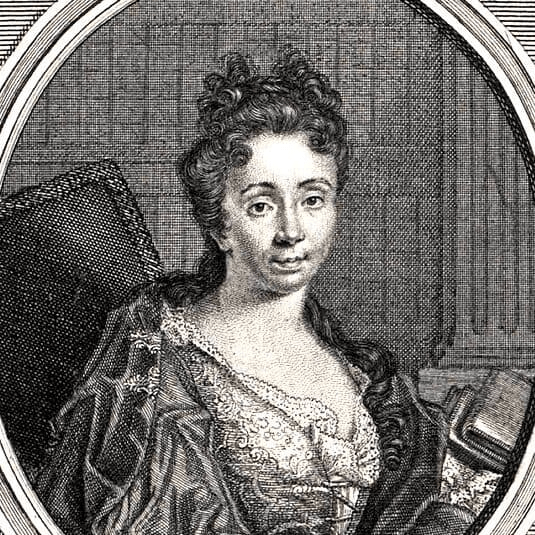
These questions echo my own earlier work on The Nettle Spinner, recently revisited through the lens of ecofeminism by a Pakistani scholar. They remind me how storytelling, like spinning, is a form of care, resistance, and world-building. Rosanie, the main character in Ricdin-Ricdon accussed of daydreaming, and the witch gardens of Innsbruck all point toward the power of imagination—a feminist, ancestral, and plant-attuned imagination.
From the witch kitchen reclaiming suppressed knowledge, to Fibershed DACH reimagining the commons, to the semantic models that turn data into something like modern magic, the threads continue. They stitch together care, technology, and ecology into patterns for futures that are not only functional but also meaningful.
As I prepare to write further—perhaps as part of the short story for the special issue of the Journal of Futures Studies on stitching, threads, care, feminist futures, and ancestral knowledge, and the journal article I have also proposed—I carry these threads with me. If the editors accept, perhaps in early 2026 you will hear more about this weaving of stories, plants, and futures.
For now, I leave this as a fabric-in-progress:
from Rumpelstiltskin back to Ricdin-Ricdon, from lost hemp fields to new bioregional futures, from disenchantment to the quiet magic of re-commoning and re-enchantment.
Further reading
Are you interested in stories about ritual textile and almost lost practices, stories which are re-rooted in a local context? Last year, EcoZon(a) published my short story – the Nettle Spinner, an ecofeminist retelling of a French and Flemish fairytale. Download the story for free here: https://ecozona.eu/article/view/5393/5852. But first… brew some nettle tea or soup and find a comfortable place … for some reading and daydreaming.
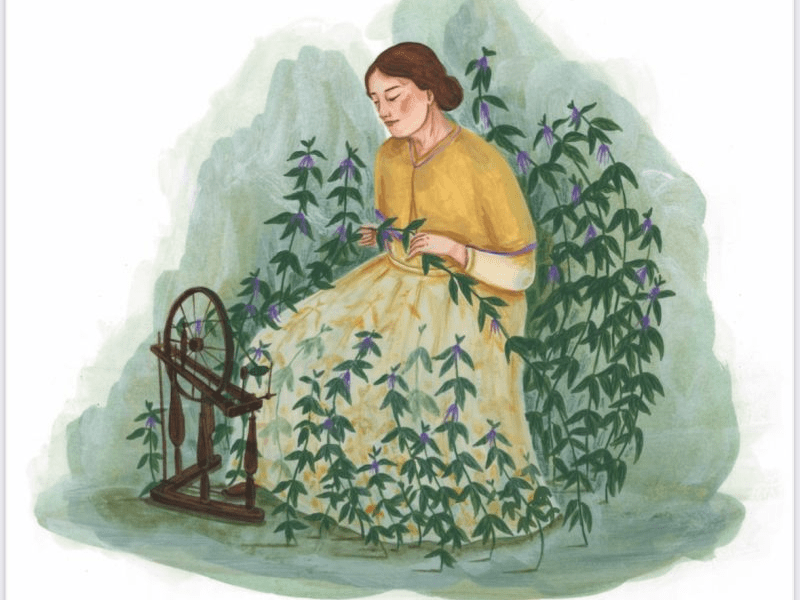
The Nettlespinner – my ecofeminist retelling of a Flemish fairytale got published
Two weeks ago, one of my short stories got published by Ecozon@: European Journal of Literature, Culture and Environment. Editorial by the creative arts director: “The first contribution is an ecofeminist retelling of a Flemish folktale foregrounding nettles. The text is written by Wendy Wuyts, who defines herself as an eco-communicator rewilding folktales and restor(y)ing places. In discussing her fascinating methodology, Wuyts mentions that she purposefully lists all the people —including machines assisting with the translation process—who have introduced narrative variants to the fairytale over the past centuries, to emphasize that a fairytale is a fluid, ongoing artwork, often calibrated…

Discover more from Stories from the Wood Wide Web
Subscribe to get the latest posts sent to your email.
 Stories from the Wood Wide Web