
During the spring equinox weekend, I had the pleasure of staying at Sandholt Slot, a centuries-old castle on the Isle of Fyn. The day before, I was in Copenhagen where the plants creeping on the old walls caught my attention. During the bus ride, I noticed all the signs of spring, like crocus flowers and other purple flowers. And then… entwined spruce hairs.
Oh, entwined trees and bark that looks like snake skin, we are in the phase where they already got married, I thought.
After the spruce (Eglė), I noticed the birches. Three white churches. Overgrown houses.
And lonely trees with small sad stories, I thought.
We drove through a glowing landscape. Dunes, like on a beach?
When I got off the bus in the middle of the Danish countryside, I could smell the fertilizers. Or the invisible pigs.
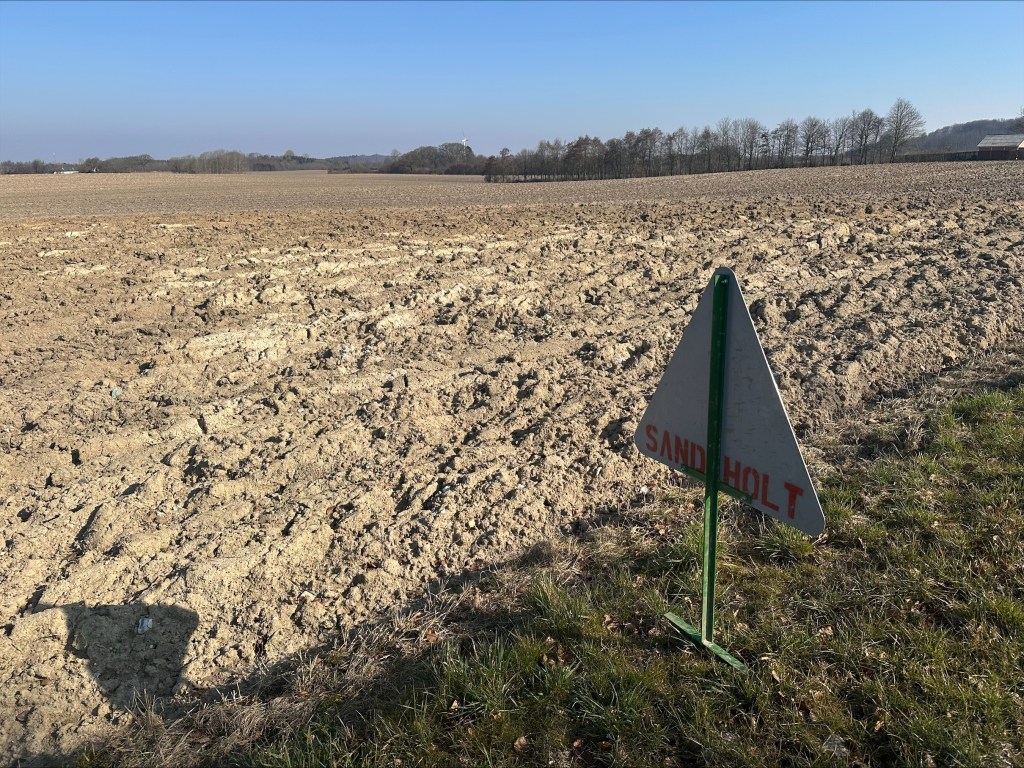
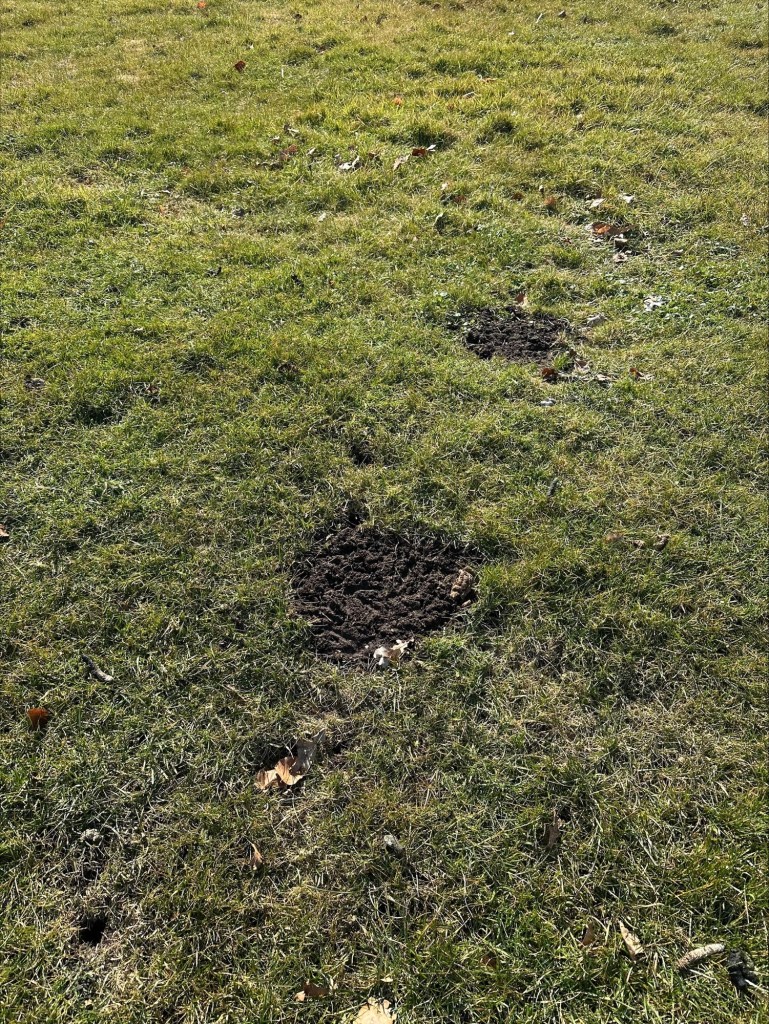
I continued to walk; it would be a short half-hour walk. I noticed molehills, the traces of underground creatures. There was so much activity underground; soon everything would bloom. I passed some digging work, next to overgrown fields, a bulldozer.

Naturally, Oak expects us at an old castle, I thought.
When I saw the castle, surrounded by waters and pollarded trees, I had my Elizabeth Bennet-sees-Pemberley moment.
At the entrance, I found myself telling some other guests at this winter symposium on transformation with the more-than-human world that I would bring, as usual, death and rebirth. It was the spring equinox. There were old trees, like willows and lindens, and other beings that are characters in our Eglė story. And Oak was also there. I was curious about what I would learn about Eglė’s eldest son this weekend, what seeds I would collect for the hydrofeminist retelling of Flowing with Eglė – Project. And my wish was heard by the storm gods: I met a man, a type of masculinity that we need more of in this world.

We organized a live writing session with Oak, complemented by a walk. For those who want to delve deeper into our musings on this method, I recommend reading my previous blog post on Writing (with) plants – Project. During this time, I allowed myself to dream about who the Oak Prince might be. I envisioned him as a seeker, imbued with a dynamic, yang energy—action-oriented, one who carves his path by walking. Perhaps I was drawn to this Artemis-like vigor, fueled by the abundant solar and wind energy that weekend, and also perhaps because I am weary of feeling helpless as a woman.

His father, the Snake King, introduced him to the concept of Deep Work. Time flows differently at sea than on land. Perhaps a decade spent in the oceanic depths and underworld realms equates to merely a year on the surface. This unique perception of time sculpted him into a strong, muscular man. For many years, possibly fifteen, he remained an only child. He once asked his mother for siblings, and she spoke to him of readiness—the readiness to conceive. And perhaps also about other readiness that she experienced a priori her own arrival in the Amber palace (Flowing with Eglė: The beginning is about her readiness).

He engaged in open discussions with her about pregnancy, the phases of expansion, and the timing of delivery. “When to deliver?”—that remained the pivotal question. When his three siblings finally arrived, he encountered the typical challenges faced by a firstborn. He had to pave the way, navigating life by walking, crawling, and swimming. He learned from moles and snakes, and other beings, about roots, hyphae, and other tools essential for burrowing, creating tunnels, and excavations. Was it not the Oak who invented roots?

He discovered the origins of amber and learned about entities known as trees, since amber and tree resin are intricately linked. Oak worked diligently, yet wisely—four days of intense effort alongside his mother, followed by three days of rest. During these quieter moments, he reflected with his father on the mysteries of the underground and the secrets of the deep seas.
As I fleshed out the character of Oak, I envisioned a hydrofeminist fiction book rich with dialogues about genderlessness. These conversations occurred between Oak and his mother, his father, and Birch, touching upon relationships and hinting at a future connection with Patras, as I began to explore in a previous blog post: Flowing with Eglė : Birch, her lover, her fantasy, her carnival mask.

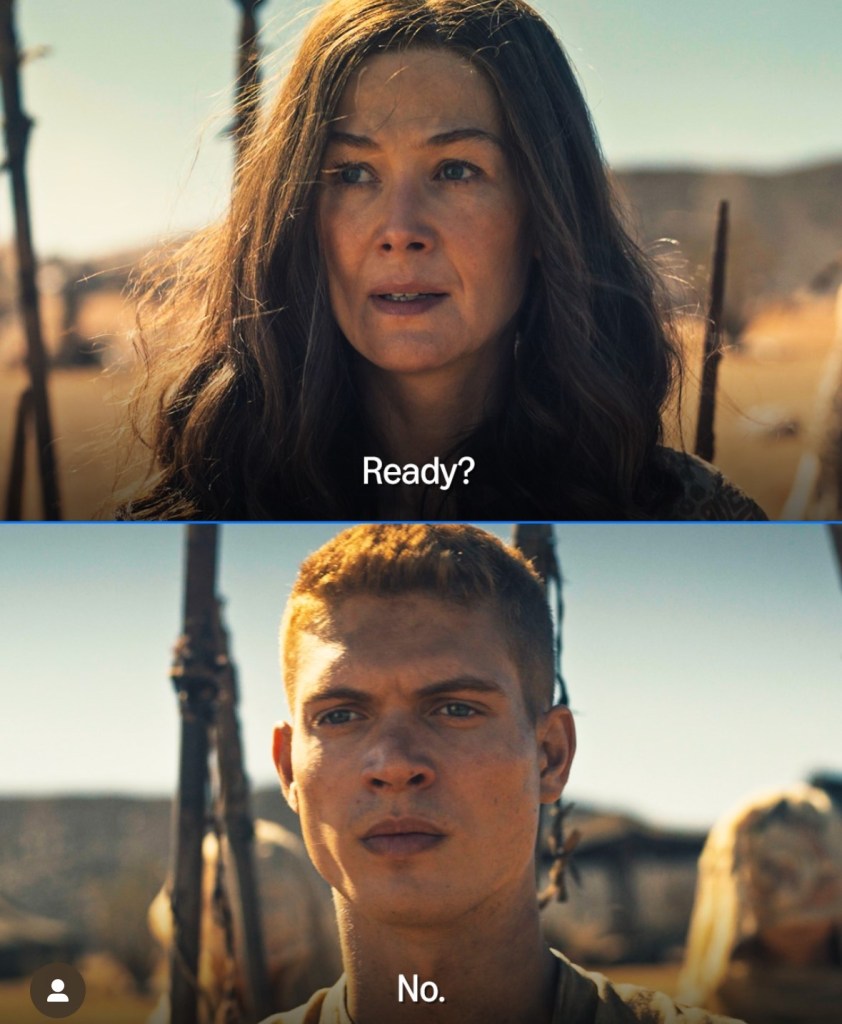
Oak was the one who inquired Eglė, his mother, about life on land, about his mother’s other family, sparking pivotal shifts in their conversations. I envisioned a scene where, this time, it’s his mother who initiates the dialogue. She asks Oak if he’s ready to encounter the land, to meet his aunts, uncles, and others who resemble them. This moment marks a significant turning point, where Oak transitions from learning about the world above to actively engaging with it. Again, there might be conversations about readiness for what is next, readiness to cross another threshold.
At land, he interacted with his aunt Linden, already introduced in Flowing with Eglė: Baltic wounds, The grey man of the lake and flooding.
Oak found himself perplexed by his twelve uncles, who embodied patriarchy and toxic masculinity in twelve distinct forms, challenging his understanding of his own masculinity.
He discussed themes of sacrifice and with Ash, and concepts of rebirth with Aspen. He observed how the easterly winds tangled with Aspen’s long tresses, casting shadows that resembled snakes, making Aspen appear like a woman crowned with serpentine hair. Perhaps this foreshadows how Baltic culture will portray her as a betrayor.
In the castle of his eldest uncle, he encountered the widow Willow, who was bewildered by him—a man from deep beneath the earth and sea. She confided in him about a time she had to kill a snake to protect her child. Despite the act, she maintained her strength. With Easter approaching, she shared her nightmares of her home overrun with Easter eggs, which disturbingly turned out to be painted snake eggs from which snakes eventually hatched.
He inquired if she feared the snakes. The widow hesitated, admitting her constant fear of the complexity, unsure of where to go as they seemed omnipresent. Compassionately, Oak took the hand of the older woman and reassured her, suggesting that she only needed to find the straightforward entry point to dive into the complexity.
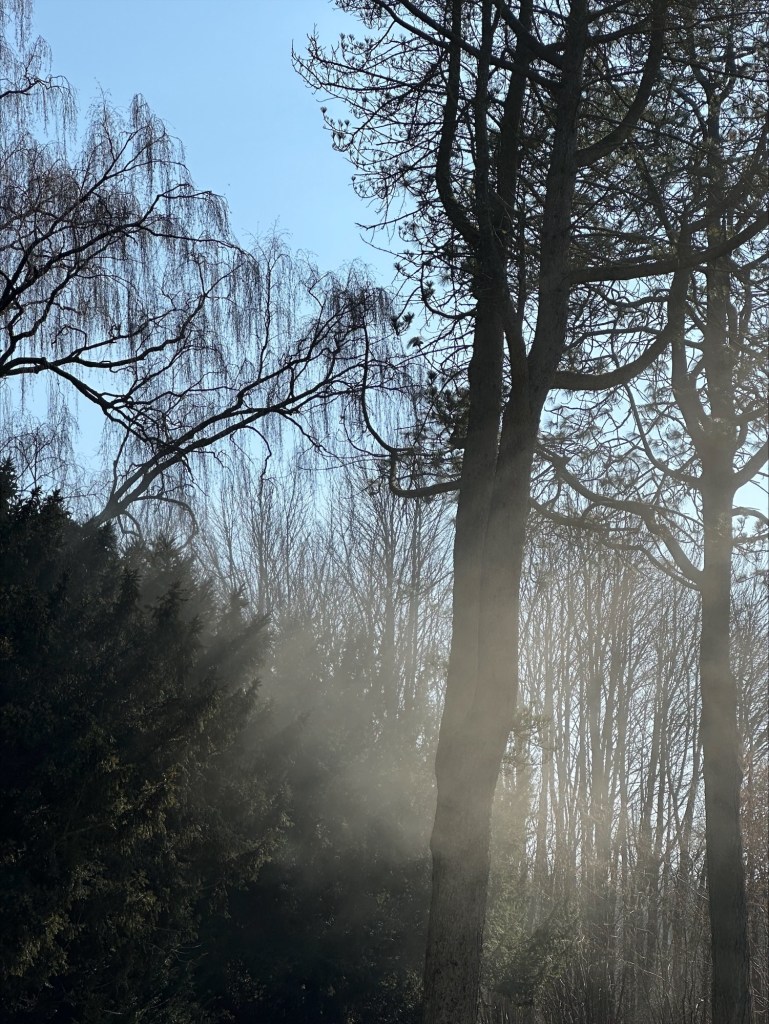
The story continues, rich with intriguing encounters and reflections over the weekend. We observed clouds of yew pollen and engaged in discussions about Sophie Strand’s book on sacred masculinity. This book explores how storm gods, who once brought winds carrying seeds and ideas, effectively pollinating all in their path, were supplanted by distant sky gods. The spring equinox marks the time when Persephone leaves the underworld. In a nod to another tale of transformation, Alice ventured down a rabbit hole within a yew tree to enter Wonderland.

During one poignant moment, a caterpillar, perhaps mistaken for a grass snake, was passed around in a circle of human participants. When it landed on my hand, it sought refuge inside my sleeve. This sparked a conversation about the caterpillar’s instinct to hide in the dark, reflecting broader themes of concealment and protection. We discussed the inevitability of death for insects and how trees that spread pollen are at an advantage, hinting at a possible resurgence of coniferous trees. With the decline of insects, we pondered a future where colors fade from the plant kingdom, as they no longer need to attract pollinators.
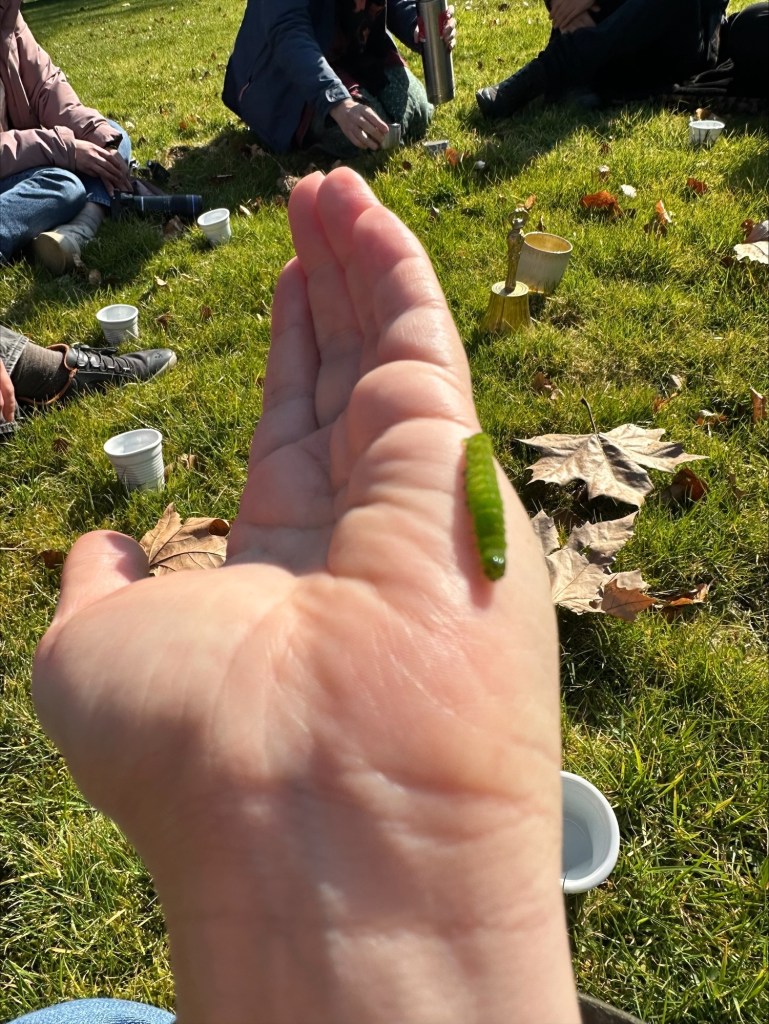

A participant shared a personal anecdote about the necessity of killing a snake to protect her grandchild, prompting a reflection on the ambiguous nature of life itself—predator and prey, killer and killed.
The storm gods arrived on the first evening, heralded by strong winds that the long-term residents of the castle referred to as the easter winds.
As we prepared for the writing session with Oak, I learned about the vigorous spring energy in oaks, the eruption of vascular tissue, and the significant flow of energy, water, and even money. Throughout the weekend, discussions frequently turned to finances, igniting my Artemis energy, yet I was cautious not to associate Oak too closely with monetary concerns—perhaps that theme would better suit Aspen.
I’m contemplating how powerful, resourceful women, skilled in managing resources and fostering underground networks—often depicted with snake-like hair and portrayed as betrayers—reflect deeper societal narratives. But first, as Easter approaches, we will focus on Ash, the third sibling, before shifting into summer mode with Little Aspen.

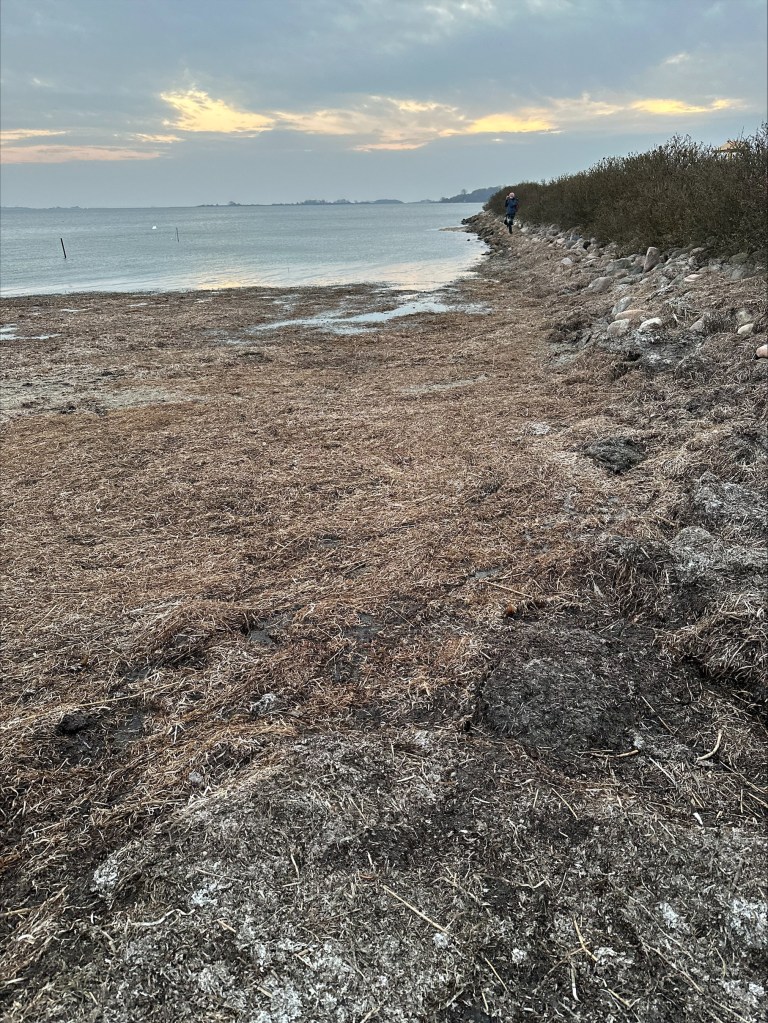
During that eventful weekend, our interactions extended to the Baltic Sea, where I once again observed the swans. This sighting brought to mind the poignant tale of the seven swan brothers and their younger sister. In this story, the sister labors in silence, diligently knitting garments from nettles to transform her brothers back from swans to humans. This act of quiet perseverance not only rescues her brothers but ultimately leads to her own salvation as well. As Oak is the brother who learned about rooting, he might be the one who had this one crucial conversation with his mother about rerooting, rescue and readiness.
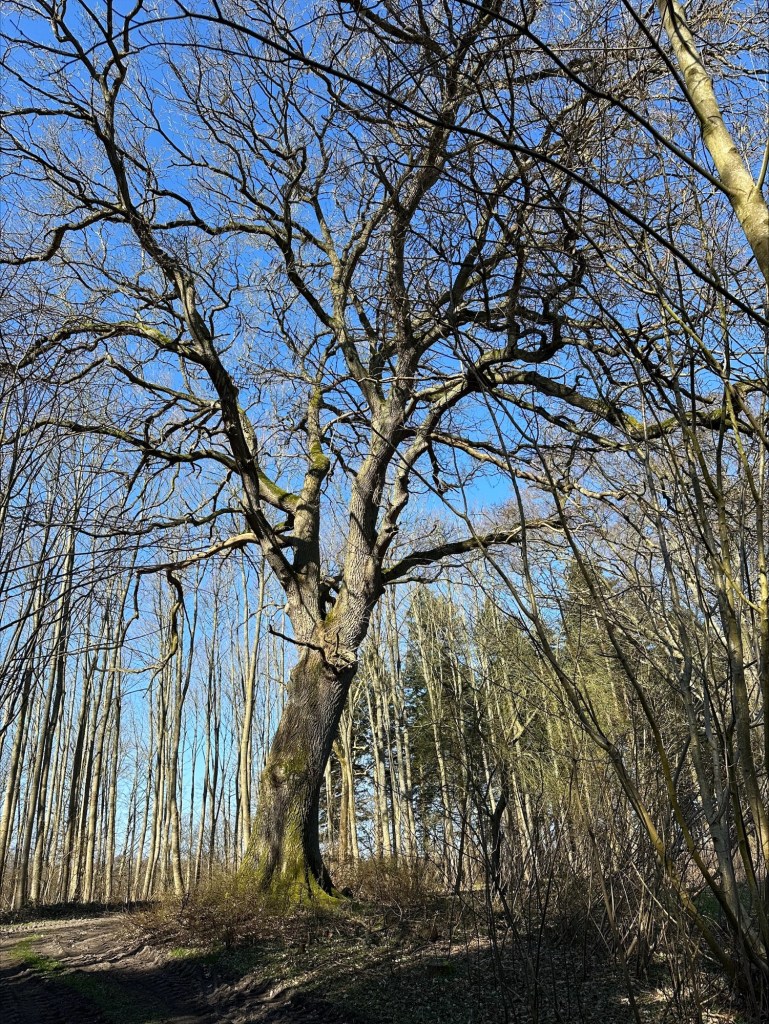
One final thought lingers: perhaps I might allow Oak to experience a romance with the widow Willow, challenging the stereotype that only young women can enjoy liaisons with enchanting, semi-mythical men. This could add a richer dimension to Oak’s character and the narrative’s exploration of relationships across different stages of life.
Discover more from Stories from the Wood Wide Web
Subscribe to get the latest posts sent to your email.
 Stories from the Wood Wide Web