In the week of 21–28 July, 2025, Jyväskylä, Finland, I will be part of the Nordic Summer University study circle about learning and transforming with/for/in the more than human world. Currently there is a call for proposals for the program (deadline: May 1st). If you want to get feedback on your stories or artwork, want to try out a practice or method, and it is connected with regenerative or ecofeminist economy, you should join us in Finland.
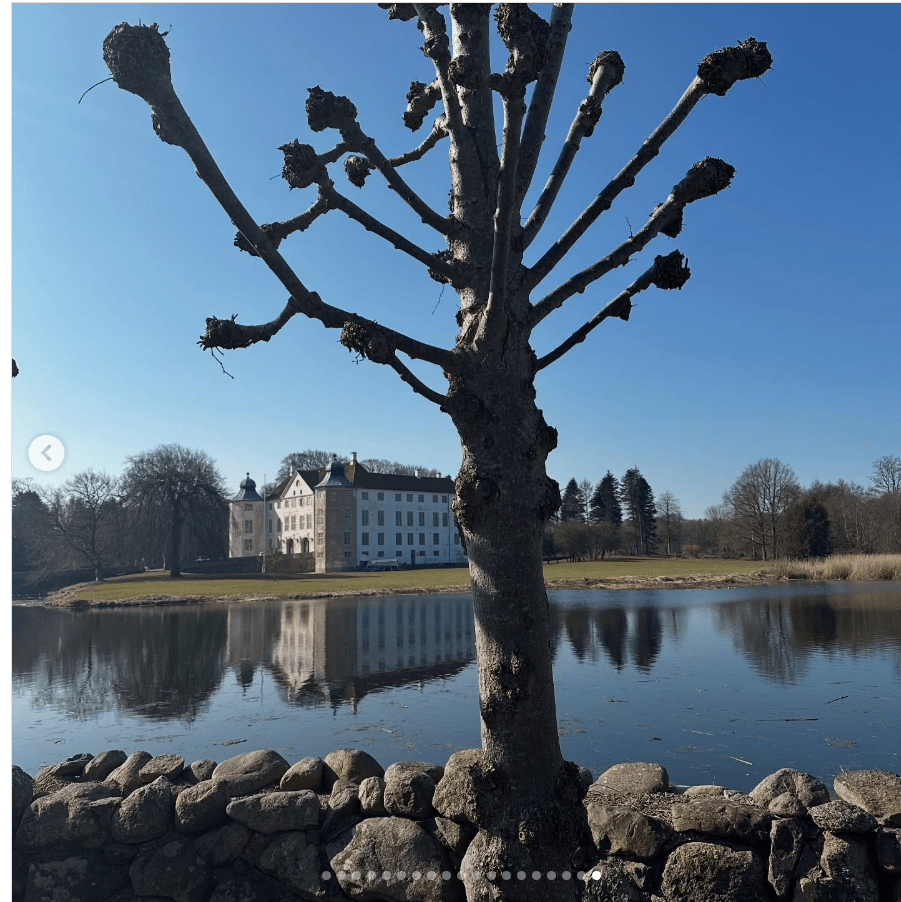
Last weekend, we had the smaller winter symposium in and around a Danish castle domain. The photographs are from this event.
Call for papers, practices, poems… about Ecofeminist and regenerative economy
Webbing, Winging and Weaving Economies
for Rewilding Academic and Organisational places
21–28 July, 2025, Jyväskylä, Finland
Main coordinators: Vitalija Povilaityte-Petri and Heide Maria Baden
In our NSU study circle, during the summer session we will explore what life forces are guiding our learning practices with more-than-humans, especially focusing on processes of giving and receiving in connection to our relationships with gifts of time, energy, money and power.

How do we perceive terms of webbing, winging and weaving economies within more-than-human learning processes from our personal stories starting with “gaining our daily bread”.
We will begin to look closer into flows of finance, investment and philanthropy.

Possible QUESTIONS that we want to examine in this week
The list is not-exhaustive and you can propose some other ideas, as long it will allow us to learn about the way we manage resources like land, water, time, money etc.
- What is money, finances, economies?
- How do they manifest in direct and indirect ways in our daily practices, starting with the familiar efforts made in reaching our daily food?
- What are diverse drivers within more-than-human transformative learning?
- What stories does finance tell and shape?
- In which stories do we participate and what stories do we create by applying or benefiting from certain fundings/supports/institutions?
- How are those funders/supporters/institutions being transformed or not by our more-than-human participation, exchanges and relationships?
- What are ways of resourcing each other?
- What can we learn from communing with plants, fungi and inclusive finance systems?
- What economies (poetic, market, family, community, caring, mothering, sharing, gift or some other) are shaping what financial flows?
- How might pleasure, joy and satisfaction play into transformative learning with more-than-humans shaping inclusive shared futures by honouring time, energy, value, mattering (Pershouse 2020)?
Call for contributions
Deadline for your contributions: 1st May 2025, vitalija.ppetri@gmail.com and heidenjoy@gmail.com. Please send us proposals for sharing your practices, short papers, poetry, story, art works reflecting on:
- Interactions between our practices, funders/supporters/institutions and multiple participating species;
- Observations how funding/support sources shape our creative practices;
- Observations and experimentations nourished by different economies, relationships and ecologies;
- Finance as our practice driver or inhibitor or factor having no influence on our creative work;
- Participation and inclusion of plants, fungi and other humans and non- humans in finance schemes.

About the summer symposium in Finland and our study circle: https://www.nsuweb.org/circle-5-ecology-of-transformative-learning-practices-with-in-a-more-than-human-world/
Visit the website page of the NSU study circle: https://www.nsuweb.org/circle-5-ecology-of-transformative-learning-practices-with-in-a-more-than-human-world/
What did we do in the winter symposium last weekend?
In this spring equinox weekend, I was a guest in a Danish castle of the 14th century for some theoretical debates and experimentations with practices to explore how to learn and transform with the more than human world.
Around 14 people of 7 different countries joined in different modules of this two day event, the first physical gathering of more planned gatherings under our NSU study circle on learning with the more than human world (2025-2027).

Practices that we experienced in the winter symposium:
- forest bathing light version (where we witnessed yew trees releasing their pollen in yellow clouds)
- Philosophy circle led by a philosophy professor – We discussed western philosophy (including nazi philosophy), which is so complex and long that we might not call it bad and at the roots of all problems, and we discussed problematic ideas around concepts like the more than human world and anthropocene. We reflected what it means to be a “sceptical” researcher.
- Warm datalab
- Writing(with)plants
- Discussing a hydrofeminist movie “the voices of water” with the videographer
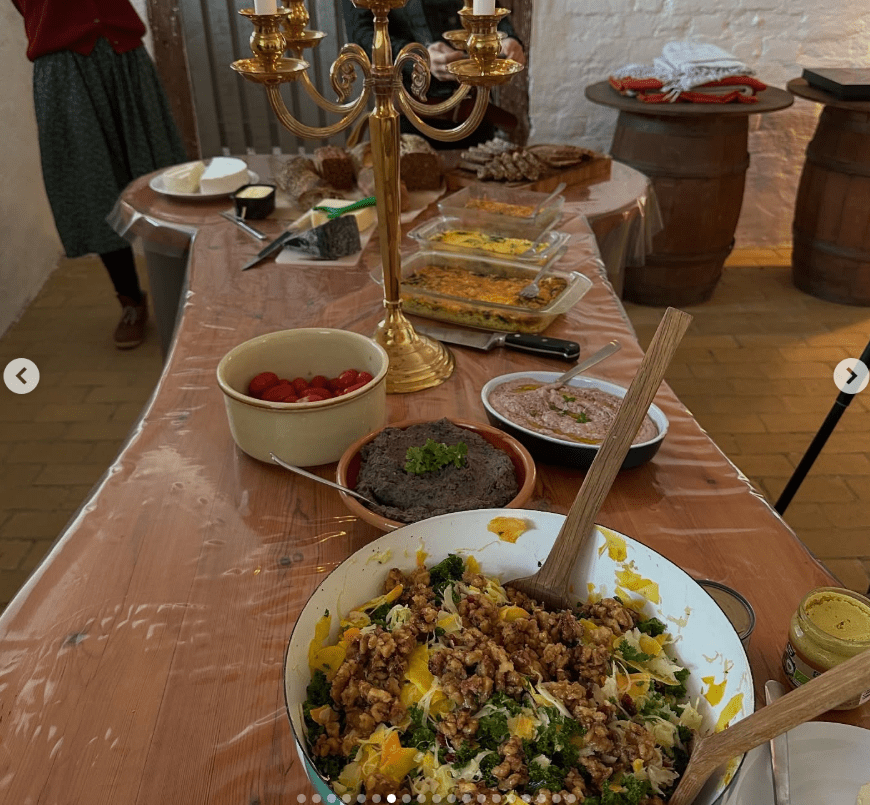
- Many coffee breaks and meals with local ingredients or Fyn island, where we discuss theories and practices.
If you are interested in such activities, all the study circles of the Nordic Summer University come together in Jyväskylä, Finland, 21-28 July. I already booked my place. It is all about discussing ideas like democracy, citizenship, identity.

Children and partners are welcome
The NSU is family-friendly. They provide Children’s Circles for participants who are between 3 and 13 years old. Children can engage in a ran of fun activities while their parents contribute to their own Study Circle. A key value of NSU is that families with children can participate at the summer sessions. NSU therefore provide what we call a Children’s Circle for participants who are between three and thirteen years old. During the Summer Session, which is usually held in the Nordic or Baltic countryside, children engage in a range of fun activities while their parents contribute to their own Study Circles. There are also family rooms.
The Nordic Summer University (NSU) has been an independent, academic institution since 1950, and has organized symposia that draws international participants across disciplines in the Nordic and Baltic regions. Activities in Nordic Summer University (NSU) revolve around thematic study circles that meet twice a year in winter/spring and summer. NSU study circles explore widely diverse topics within the arts and humanities, natural and social sciences and provide a cross-disciplinary forum for debating topics that are not already established in universities, thereby contributing to the initiation of new research agendas and alternative perspectives. To learn more: https://www.nsuweb.org/
Discover more from Stories from the Wood Wide Web
Subscribe to get the latest posts sent to your email.
 Stories from the Wood Wide Web