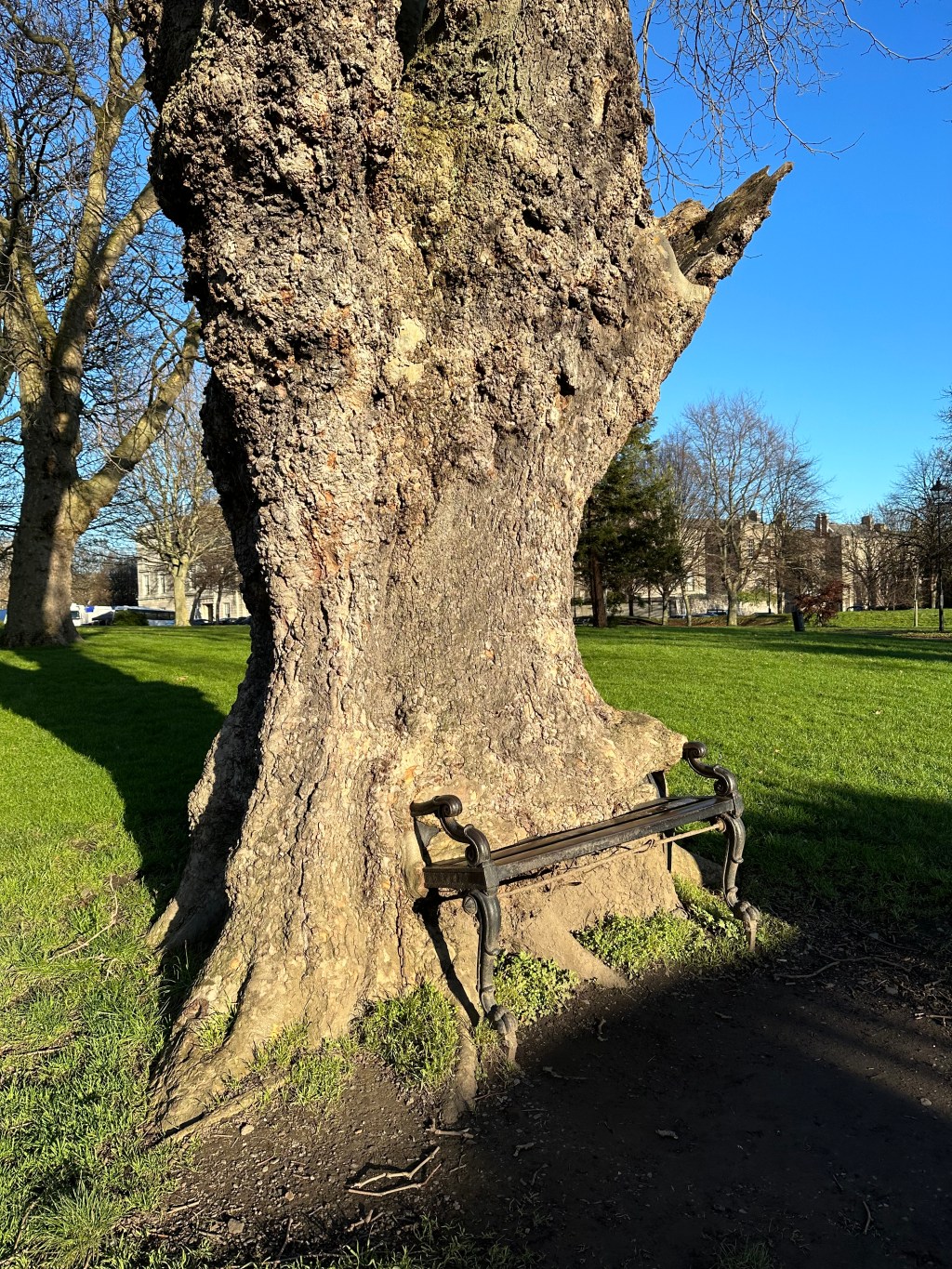
Eco + Mythology
Eco from oikos: home, household.
Myth from mythos: story, narrative.
Logy from logos: knowledge, deep inquiry.
Eco+Mythology is the art and practice of creating new stories, ceremonies, and rituals calibrated to the needs, challenges, and resources of our time. We live in an era marked by accelerating climate change and overlapping social and health crises, like loneliness, addiction, burnout, violence, erasure of biocultural heritage, intergenerational trauma. These may well be the “Nine Diseases” of the 21st century. These observations led to some questions:
What kinds of stories can hold us now?
What rituals might help us metabolize grief, shame, and ecological loss?
What ceremonies could restore belonging … in our bodies, our neighborhoods, our watersheds?
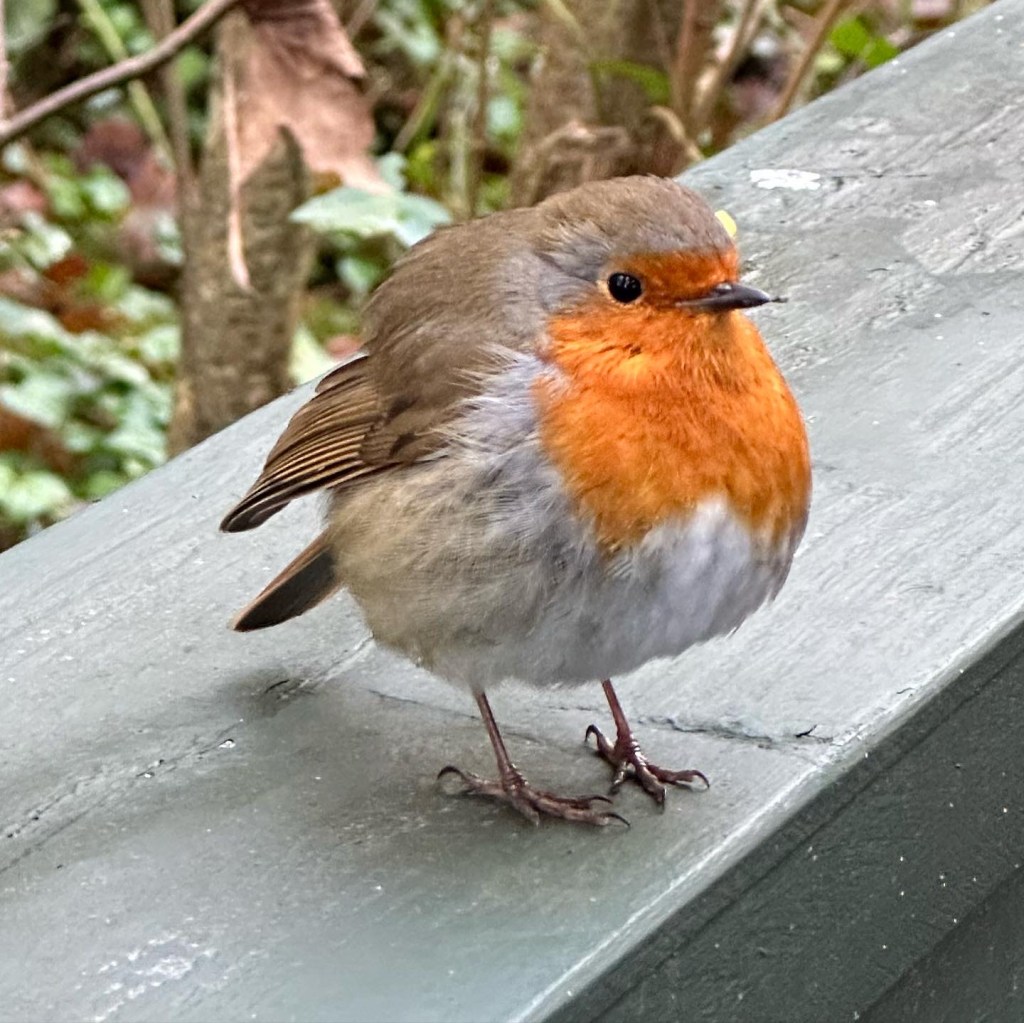
Calibrating the Old Stories to new needs
Some months ago, as part of a funding application, we reimagined a fragment of the Kalevala, the Finnish epic, replacing the mythical Nine Diseases in Louhi’s tale with the Nine Diseases of the 21st century, century. At some point, this retelling will become a wood wide web pocket book. In one of the earlier retellings, nine diseases were created. We calibrated the story, to address our current needs.
We also worked out what could be the medicine. As pharmacists, socio-environmental scientists, storytellers, forest therapy guides, ecopsychologists and environmental educators, we are committed to co-creating spaces, sanctuaries, stories and tools to respond to these modern afflictions.
From stone soup to soil soup
In our first Eco+Mythology online symposium, already a month ago, we retold the Stone Soup story. But we replaced the stone.
Instead of a male traveler, we imagined a feminine medicine woman.
Instead of a stone, she brought a cauldron and sampled soil.
In our gatherings, online and physical, we bring the cauldron, you bring the ingredients.
The cauldron may be:
- a well-designed Miro board
- an ethical framework
- a science-informed practice
- a shared budget with transparency
- an meeting invitation with a clear agenda and objectives
It is a structure. Not a rigid structure, but it is a structure. Structure does not suffocate creativity. Structure creates safety… and structure allows people who need safety to also participate in co-creation.
Like Ursula Le Guin’s carrier bag theory, the cauldron is a tool for gathering what already exists among us.
wounded Village feelings in the 21st century
We are interested in rebuilding “village feelings”, in cities as much as in forests. We want to move from catch-up friends to hang-out friends to do-it-with-others friends (DIWO instead of hyper-individual DIY culture).
In our next eco-mythology symposium we want to look into Dublin. Not the romantic green hills of Ireland, but neighborhoods where crack and cocaine circulate, where shame and silence weigh heavily, where mothers struggle with addiction (recovery) and domestic violence, where child service monitors and helps their children, but perhaps not really help co-create care (infra)structures of the mothers.
Villages are messy. Conflicts and miscommunications happen. And that is ok, but you need care (infra)structures for mediation, negotiation and conflict solving.
We are exploring how to create both online and local village, spaces where ritual can be prototyped, tested, repeated, adapted. Not grand spectacles, but small recurring acts, like:
- monthly picnics
- seasonal potlucks
- shared walks
- story circles
- micro-ceremonies
Repetition builds trust and trust builds belonging. Of course, we need to be not too naive, and of course, also design care-fully the care structures and rituals.
From Online Symposium to Ritual Prototyping
In winter 2026, under the umbrella of Nordic Summer University, we organized our first online Eco+Mythology symposium, gathering voices from around the Baltic Sea, especially Poland and Latvia.
The response was clear: We need more of this.
And we also need to go deeper. Our own critical reflection? Root more strongly in place. Partner with local NGOs and projects. Do land-based work.
Support pioneers who can host small, recurring rituals with courage and patience.
So we are developing a dyad model:
- An online symposium, which is open and accessible, for both listeners and co-creators from the whole world, who want to learn more about the place and/or the ecomythology methodology.
- A physical ritual prototyping event
Or in other words: the cauldron during the online event, the soil under our feet during the offline ritual prototyping.
Mothers, Spring, and Wounded Healing Places
Recently, we met with a local gatekeeper in Dublin, a PhD scholar in nursing and midwifery at Trinity College, working with mothers in addiction recovery. We hear stories filled with shame, and we witness dignity. These women co-author their stories, which got published in a report: Mothers in Addiction Recovery Rising: The Will and the Way. In September 2025, they published their stories ‘Seeds of Change from a wild garden – Letters & Stories of Mother-Women in Recovery.’ Interestingly…
“The title, Seeds of Change from a Wild Garden, reminds us why we turned to the wild as our metaphor. A wild garden is never neat or orderly. It holds both flowers and ‘weeds’ , each with their own role in sustaining life. While flowers may speak to care, tenderness, and fragility, weeds remind us of strength, adaptability, and the persistence that can push through cracks in hard places. Both are necessary, and both belong.
In the lives of mother-women in recovery, change rarely follows a straight path. Like a wild garden, it grows in unexpected ways. The stories, flowers, and poems gathered here hope to honour that wildness – like seeds scattering into the world, carrying the possibility to take root, to grow, and to flourish.”
– Gina Griffin, Fiona Murphy, Danielle Lyons Hunter, Louise Flynn, Donna Doyl, Curated With: Louise McCulloch (2025)
We just started to brainstorm. In the next symposium, we want to listen and hold space for these stories. We are at the start of planning, so I cannot promise the programme of this online spring symposium yet, but after the design workshop of Co-creating an apothecary experience with design students (and Celtic birth trees?) exploring the ancient Greek concept of pharmakon,where medicine can also be poison, it feels urgent to create spaces where scapegoating and blame can be transformed.
Lammas and Rewilded Saints
For people who follow me for a while, this might not come as a surprise. I have this small passion project to rewild local saint stories. I have been observing on social media that the Irish are celebrating Saint Brigid and Imbolc, and have seen some feminist reframing of Saint Brigid. Around the time of spring awakenings, we have Saint Patrick. And perhaps we could prototype a ritual for a Celtic wheel moment that is often forgotten: Lammas, the first harvest festival, often celebrated in the beginning of August.
I am also planning to have a session around the ecofeminist retelling the story of Saint Dymphna, the Irish princess who fled violence and whose story later touched Belgium: Dimpna, a story about an uprooted Irish princess rerooting in Flanders, and a 6 centuries old method of care for the mental ill. I have written and told this story during a forest bath some years ago. I look forward to work again with this story, add it to the cauldron and fish it back out to see how the cauldron transformed it.
Dirty Woman Humor and the Sacred Mess
In the mythology of Demeter, Baubo lifts her skirt and makes the grieving goddess laugh. It is a gesture of raw, earthy, liberating humor. As Clarissa Pinkola Estés reminded me in her amazing book ‘Women who run with wolves’, sometimes healing requires “dirty woman humor”.
Perhaps the world needs more women willing to work with dirt, literal and metaphorical. To sit in cracked neighborhoods. To speak of Nine Diseases of the 21st Century. This may not resemble the remote landscapes described in some journey models, including those of Sharon Blackie, often criticized that this is only feasible for women with enough privileges who can afford to live in a cottage and create an enchanted life there.
What does and can an enchanted life look like in inner-city Dublin? That is the question we want to explore.
Care Work and Ecofeminist Finances
We are also asking difficult economic questions. How do we create structures that:
- free up funds for care work
- create income for caregivers
- honor unpaid labor
- support mothers, land stewards, and community hosts ?
This spring symposium will also mark the launch of Meadowverse LLC, the new enterprise of Lisa Sattell, a grandmother and mother with whom I have collaborating a lot. We will include an option to seed her enterprise and support long-term hosting, listening, and community care work.
Ticket sales will not only fund the ritual prototype, they will also experiment with redistributive, ecofeminist budgeting.
Care is not a hobby.
It is infrastructure. And it needs money.
An Invitation
Our objective in the upcoming spring symposium is simple and radical: To explore how nature-based therapeutic and artistic practices, and the co-creation of new stories can support mothers, children, and their allies in an eco-somatic community journey.
To move from story
to structure
to ceremony
to village.
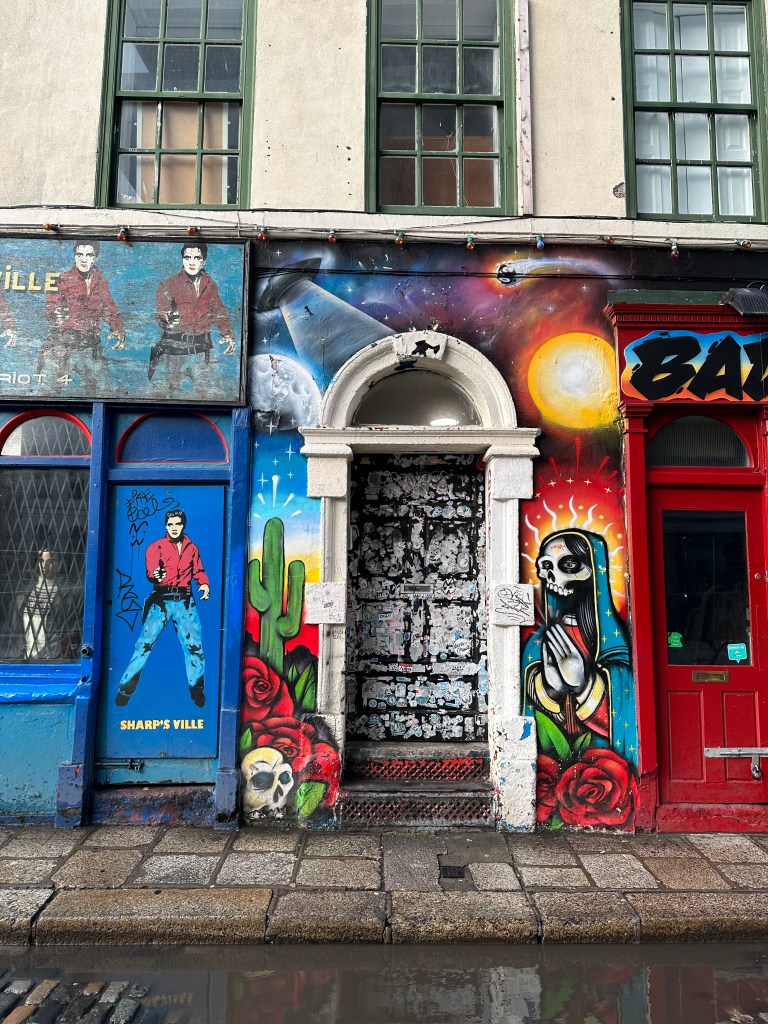
And to do so in Ireland, especially in urban places like Dublin, where robins still appear unexpectedly, where hawthorn trees may still speak, and where new eco-mythologies can take root in the cracks.
If this resonates with you, as storyteller, as an investor who want to explore the prototypes with us, a scholar, ritualist, designer, caregiver, or curious participant, we would love to hear from you.
The cauldron is warming. What ingredients will you bring?
FOR INDIVIDUALS WHO WANT TO LEARN MORE ABOUT ECOMYTHOLOGY
If you are an individual who wants to follow our work more closely, you can subscribe to our newsletter to receive new blog posts, reflections, and updates about upcoming eco+mythology events in Europe and North America, as well as new publications and books.
You can sign up here or by scanning this QR code:

Discover more from Stories from the Wood Wide Web
Subscribe to get the latest posts sent to your email.
 Stories from the Wood Wide Web